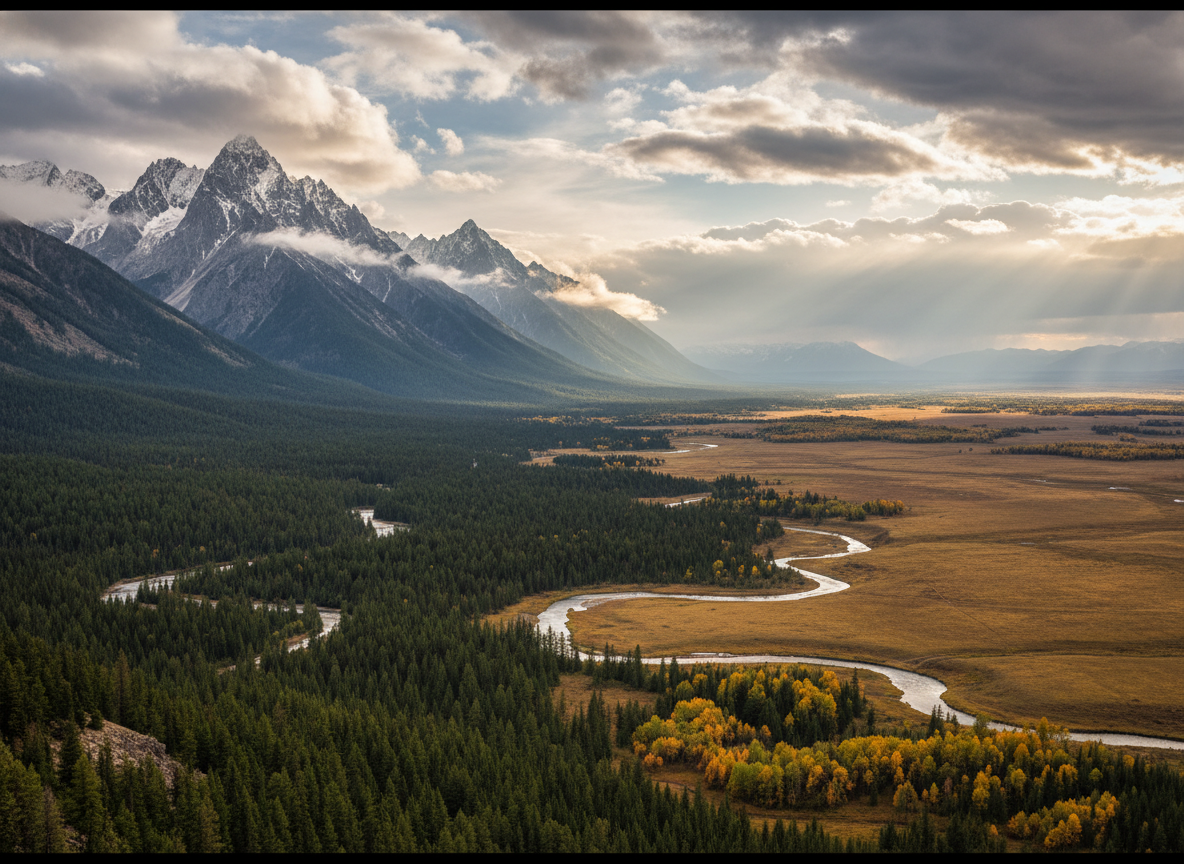
The country’s natural spaces have always drawn attention for their beauty. Scientists are now observing signs of change across many of these areas. Weather patterns seem less familiar, and construction is spreading outward. Experts are studying how these developments may impact wildlife and natural growth. Their findings help shed light on how nature adapts as human activity gradually expands.
Habitat Fragmentation Issues
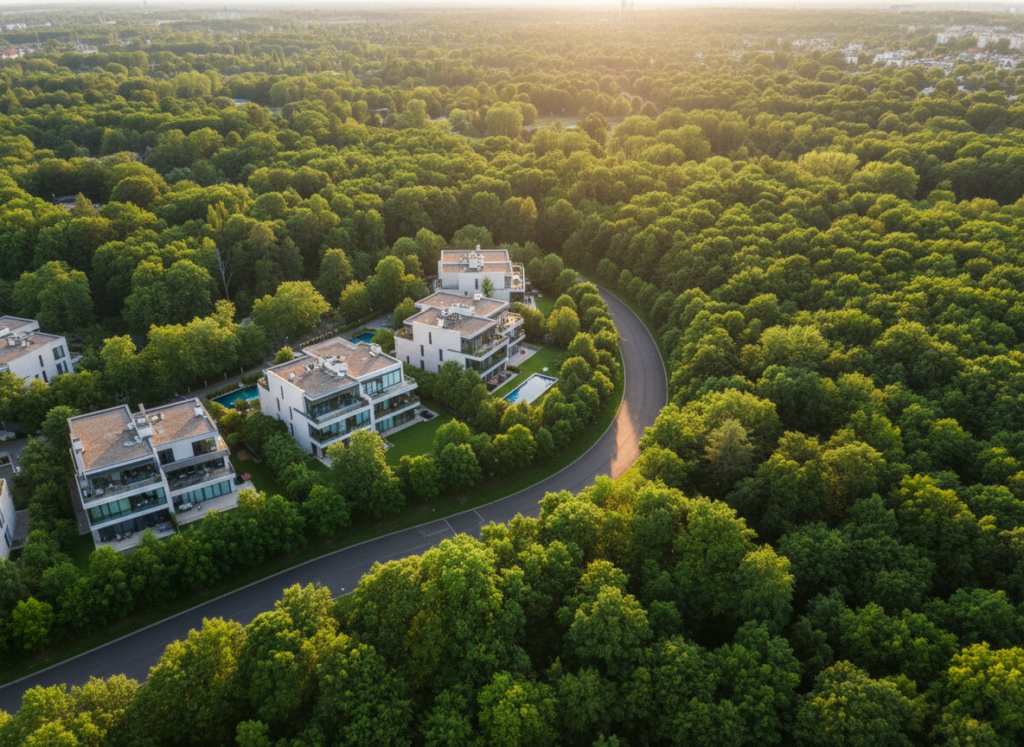
Many wild animals need large open land to move and find food. New roads and homes slowly split these areas. This change can limit safe movement and leave animals living in small natural spaces alone.
Rising Average Temperatures
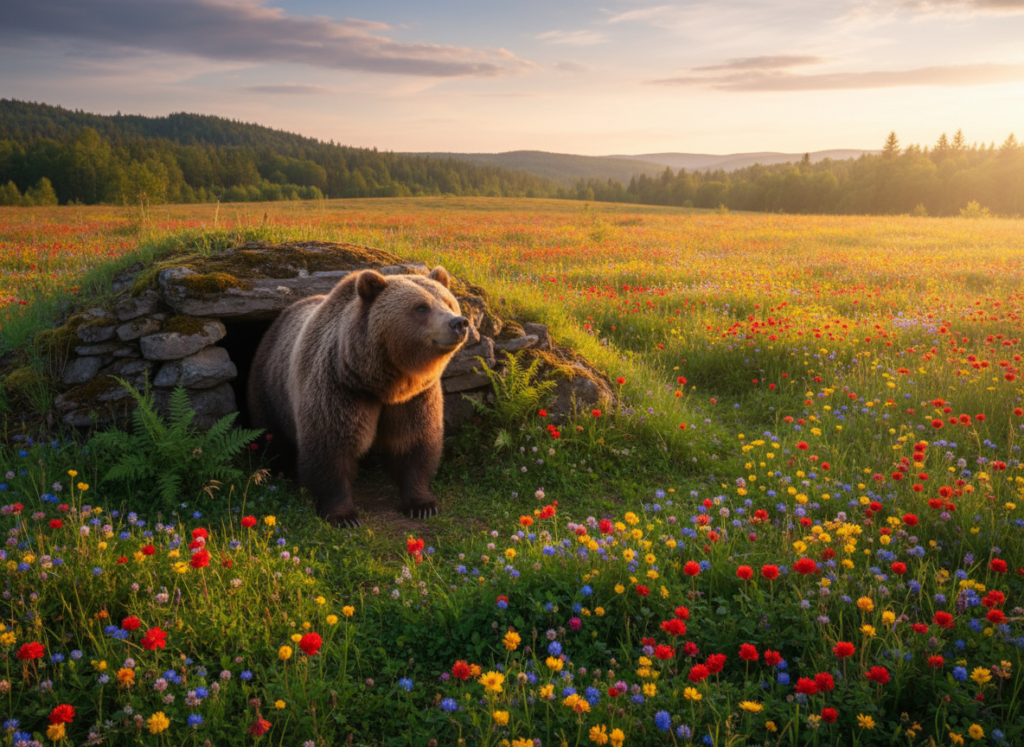
Many of the wild places are getting warmer much faster than the rest of the country which changes when flowers bloom and when hibernating animals wake up. This shift can throw off the timing of the whole ecosystem because the food sources might not be ready when the animals need them most.
Shifting Water Supplies
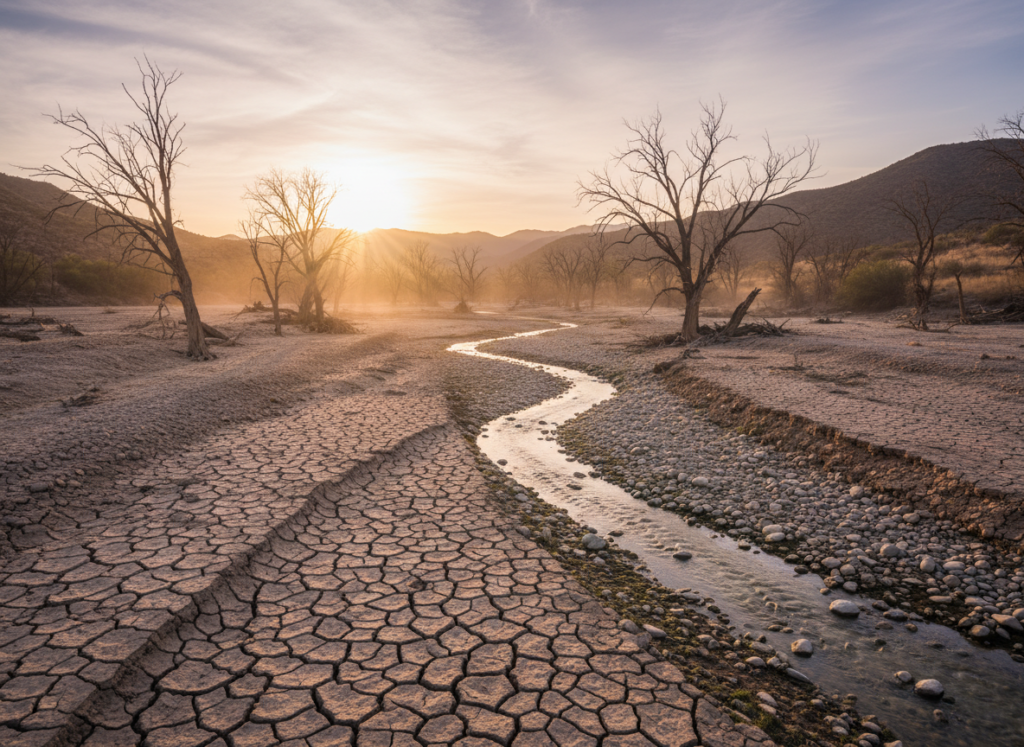
Snow and rain now melt and fall differently, so some well known western rivers and lakes have less water in summer. Researchers watch how dry periods affect trees and space for fish in shallow streams.
More Intense Wildfires
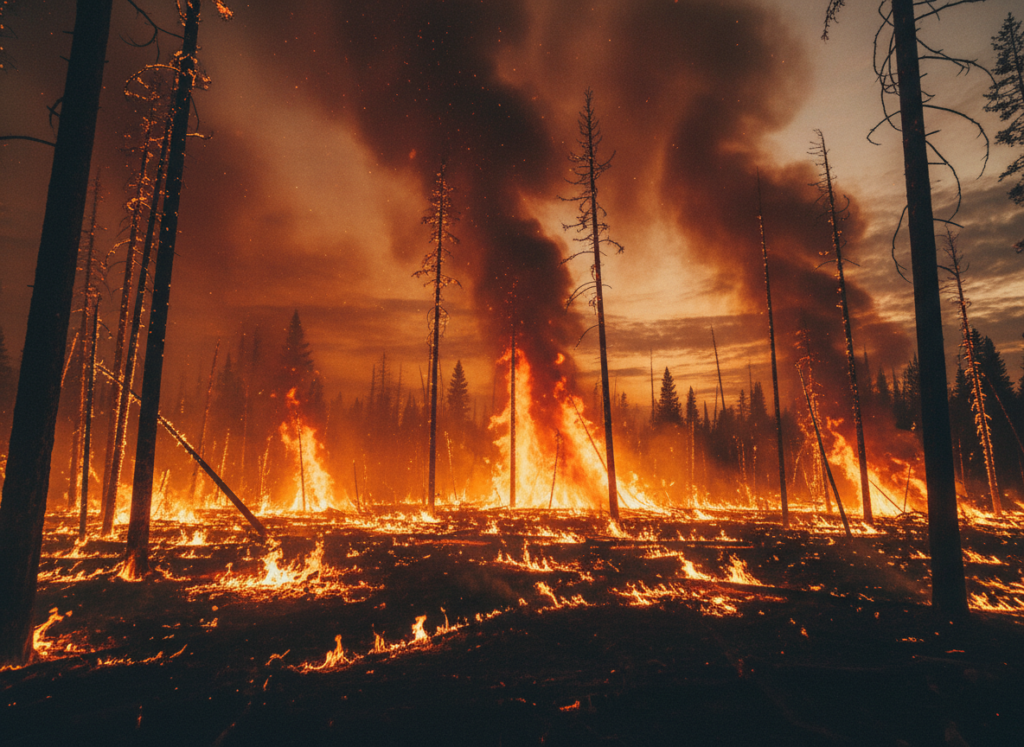
Fire has always been a natural part of the woods but scientists explain that they are now happening more often and burning much hotter than before. These “megafires” can change a forest so much that the original trees can’t grow back which lets new types of brush take over.
Invasive Species Spreading
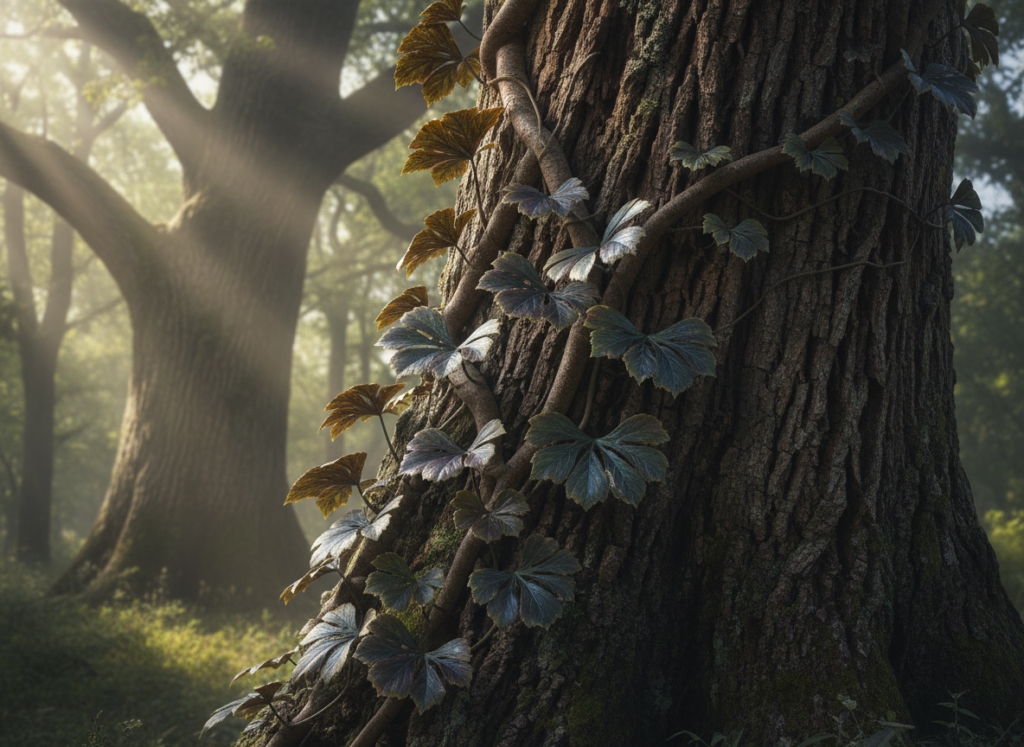
Changes in weather and movement help plants and insects from elsewhere grow where greenery is heavy, for example, in national parks. These species may not face the same controls, allowing them to spread, compete with native life, and shift the area’s balance.
Coastal Erosion Effects
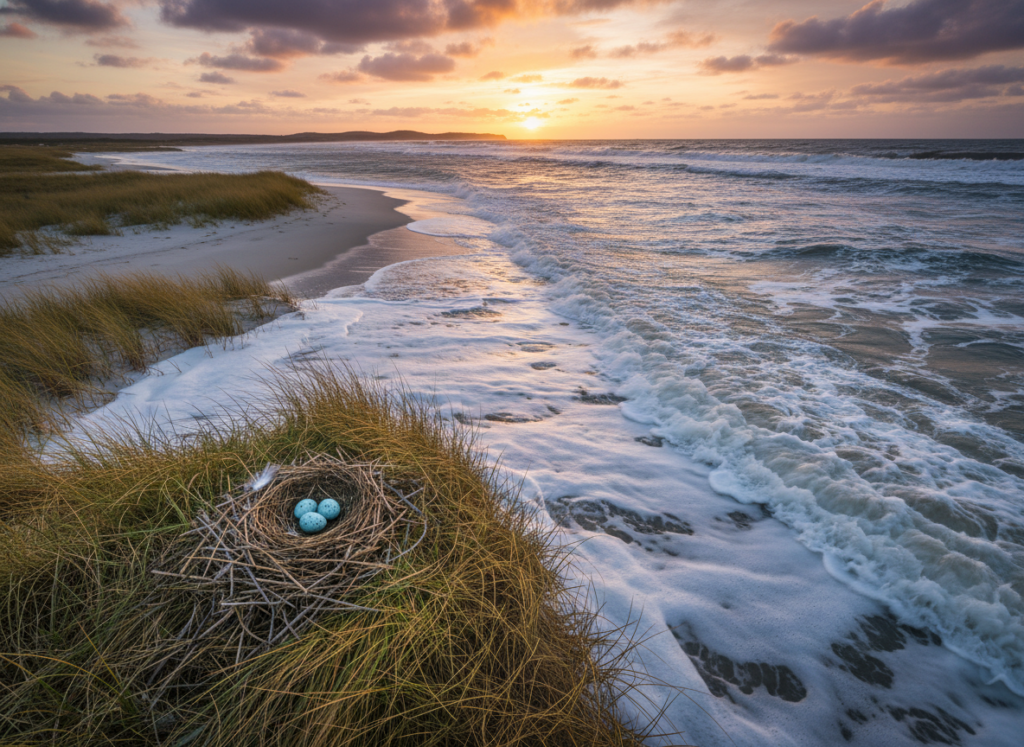
Rising sea levels are slowly pushing the ocean further inland which is washing away the beaches and salt marshes where many birds build their nests. Researchers are watching as these coastal wild places shrink because they are getting squeezed between the rising water and human sea walls.
Loss Of Dark Skies
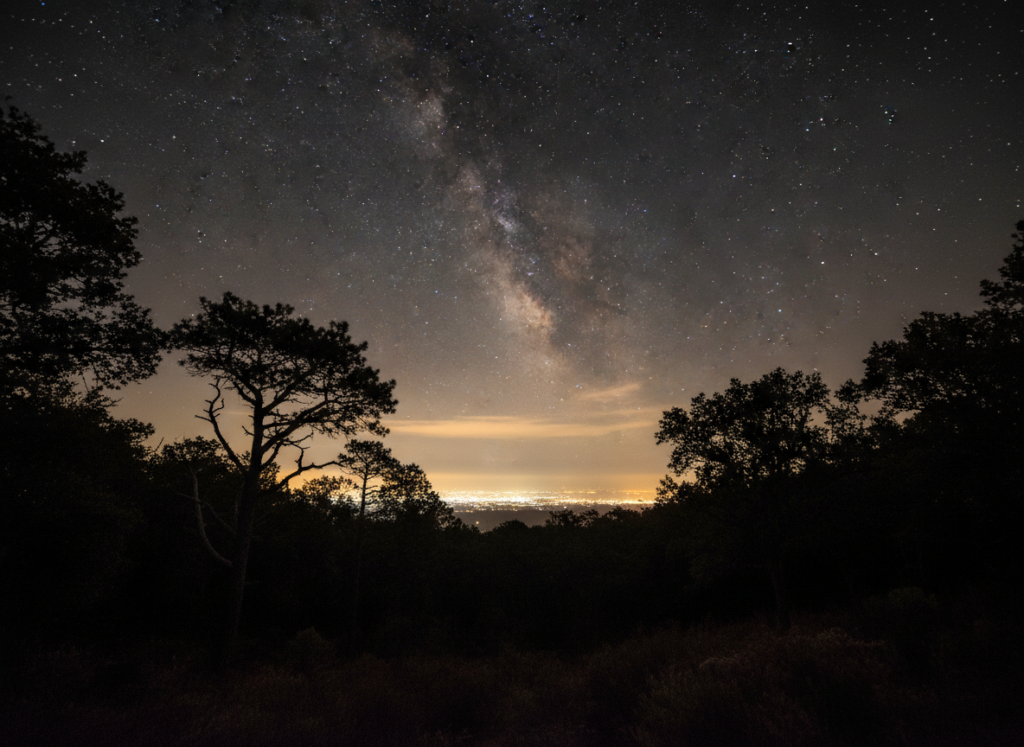
Night skies in quiet areas are getting brighter over time. This added light may trouble birds that guide themselves by stars and affect animals that stay active at night in natural spaces.
Changing Animal Ranges
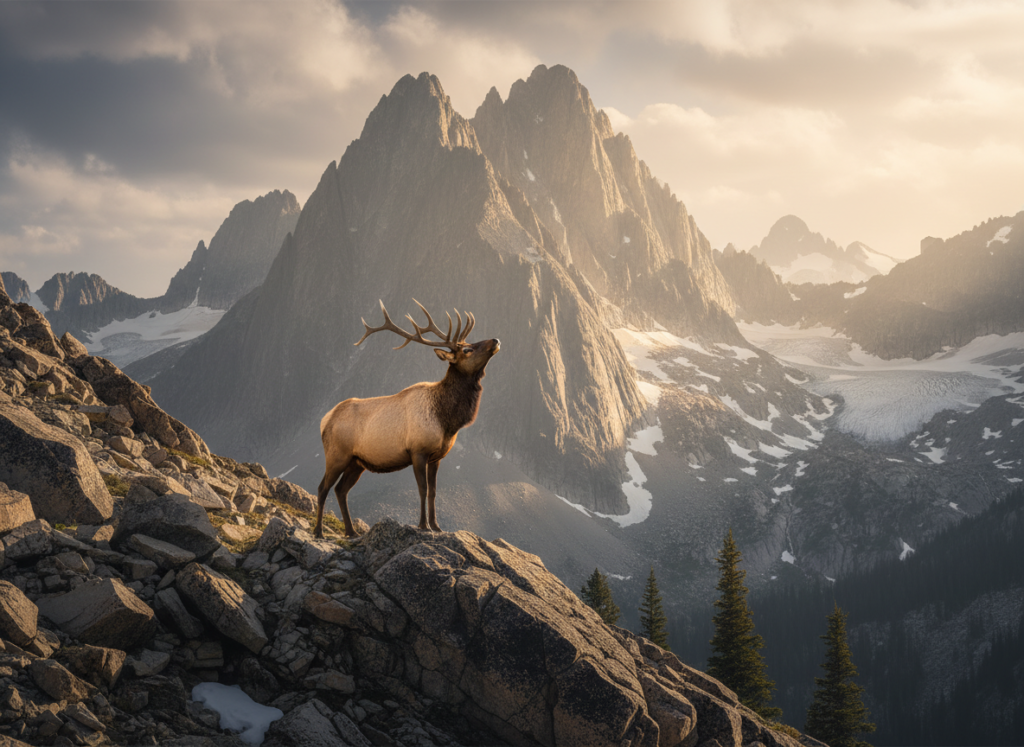
As their old homes get too hot or dry many animals are moving further north or climbing higher up mountains to find cooler air. This creates a new problem because they might run into other species or find that there isn’t any more mountain left to climb.
Stress From Visitation
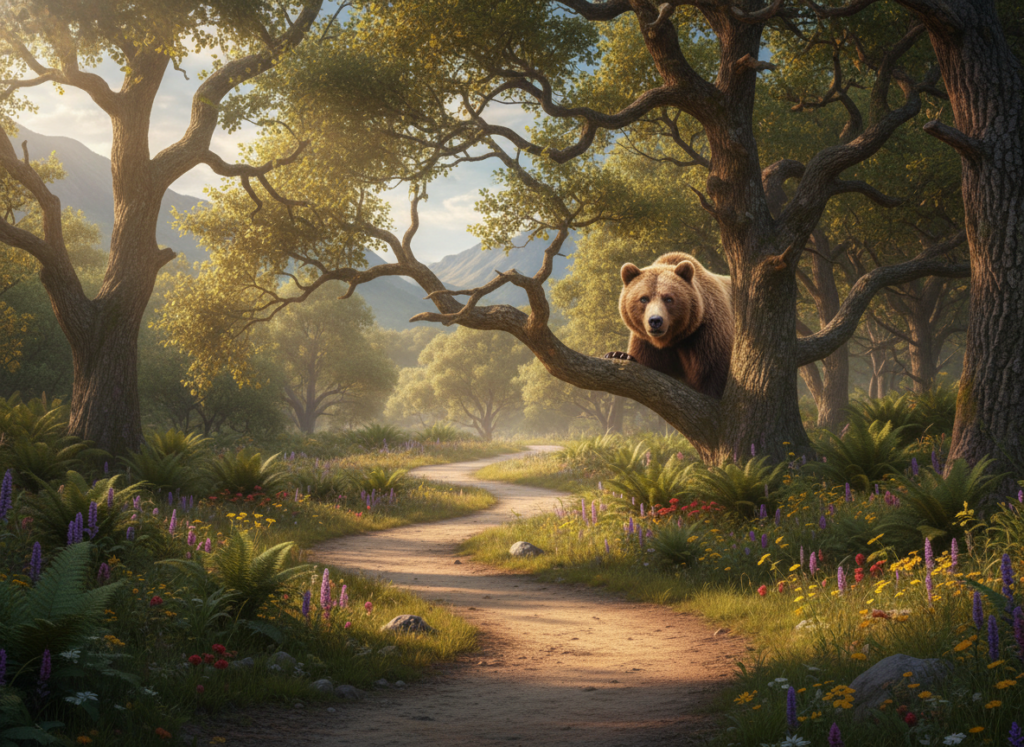
More outdoor activity brings people closer to nature, but it can add stress for animals through noise and movement. Experts suggest marked trails to protect land and allow wildlife space to move calmly nearby areas.
Shrinking Glaciers
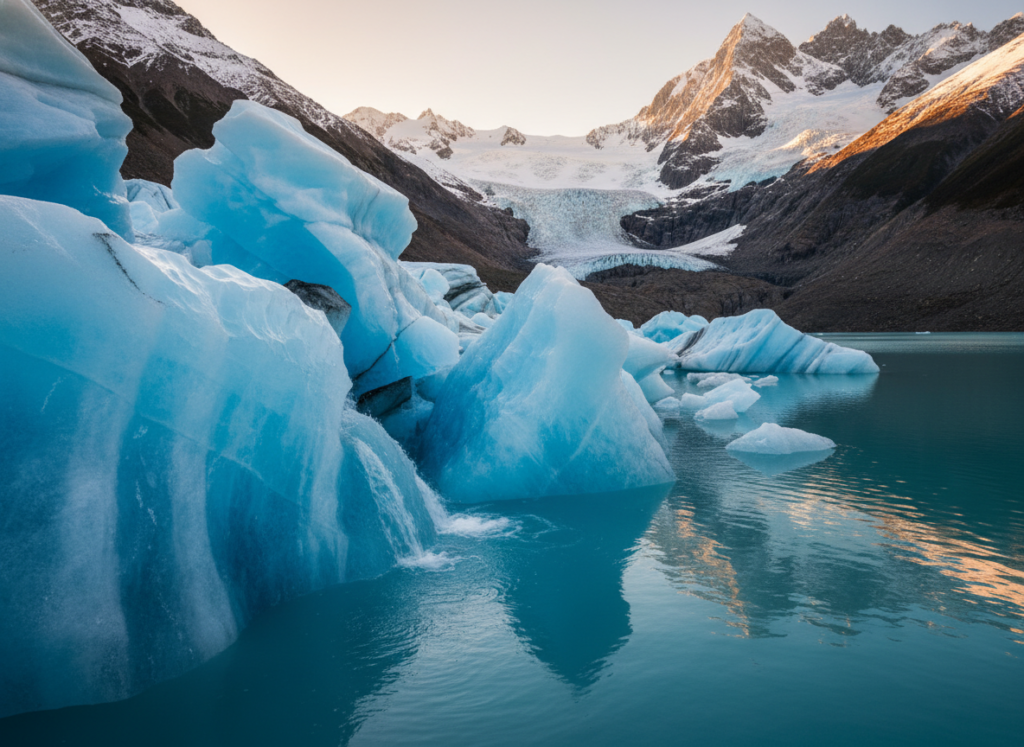
Ice that has lasted for ages in Glacier National Park is melting more each year. Scientists suggest this affects weather. With less ice, streams may get less cold water, which can change the area gradually.
Related Posts