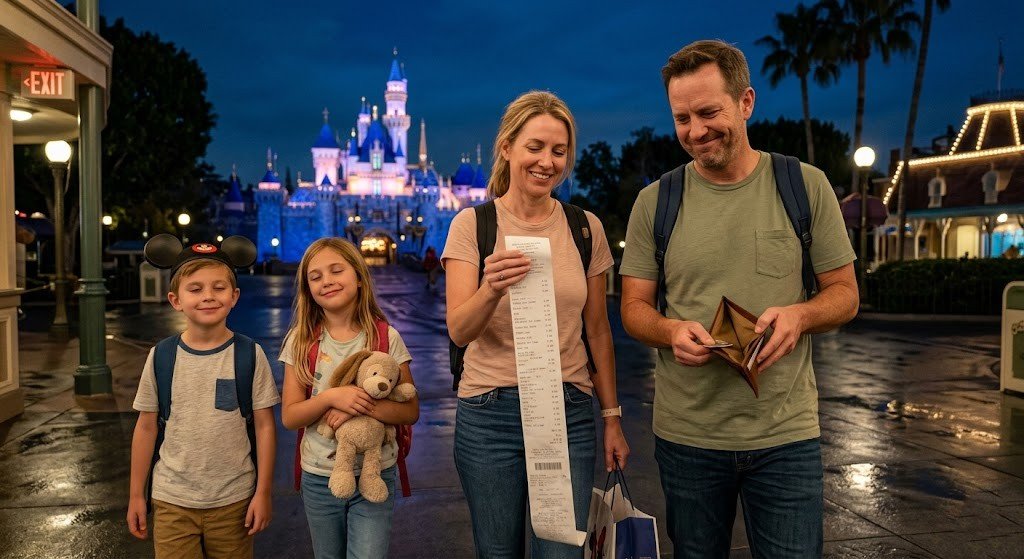
When you buy something luxury you aren’t just getting a product you are buying a specific mood. Big brands work hard to make sure their logo stands out so everyone knows you spent a lot. The actual cost to make the item is usually very low compared to what you pay. It is all about how the world sees you when you carry it.
The Brand Name Itself
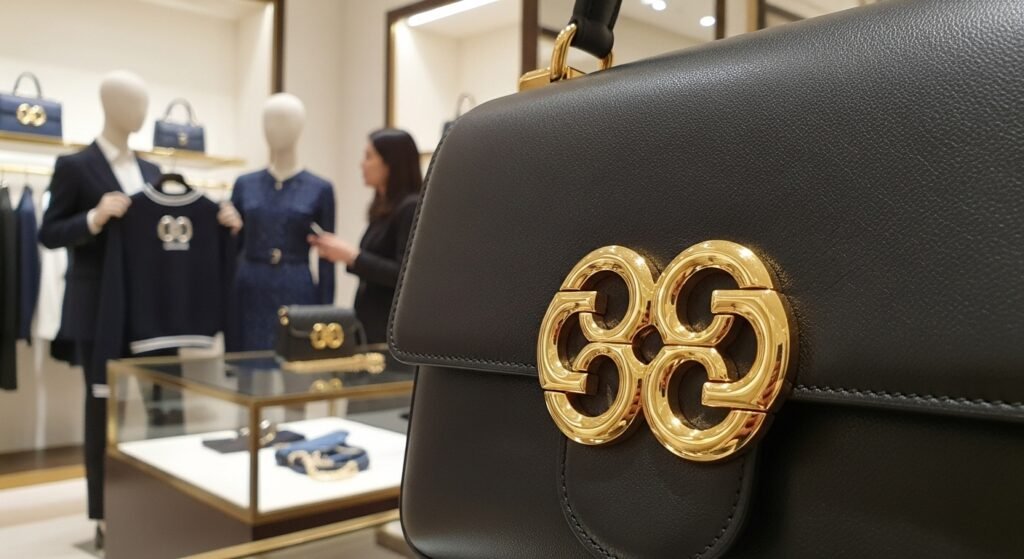
Sometimes you are just paying for that little symbol on the shirt or the handbag. That recognizable logo shows others you spent money and the company knows people will pay extra for that status.
Prime Retail Real Estate
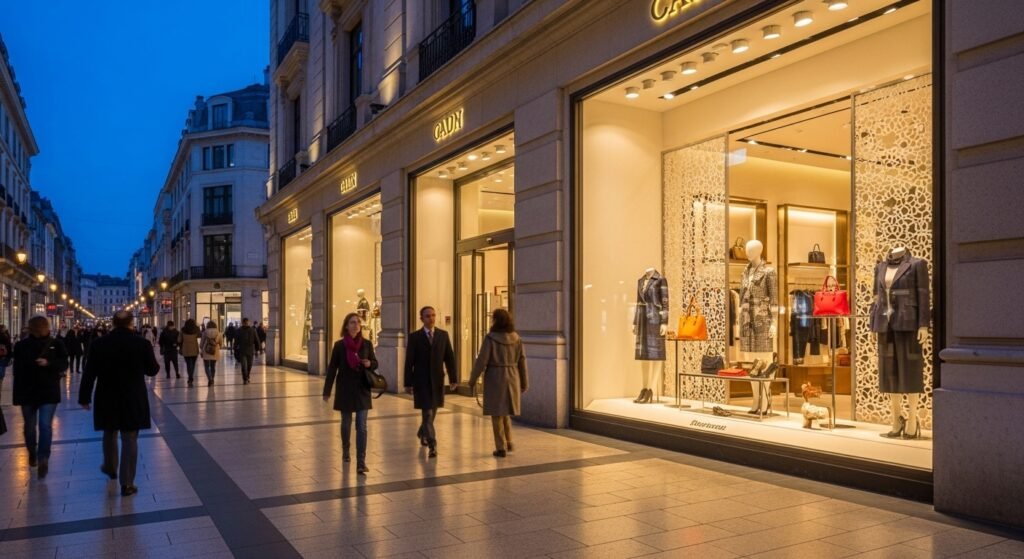
Luxury brands have stores on the most expensive streets in big cities like New York or Paris. The extremely high rent for those fancy storefronts is calculated into the cost of every item they sell.
Fancy Packaging Materials
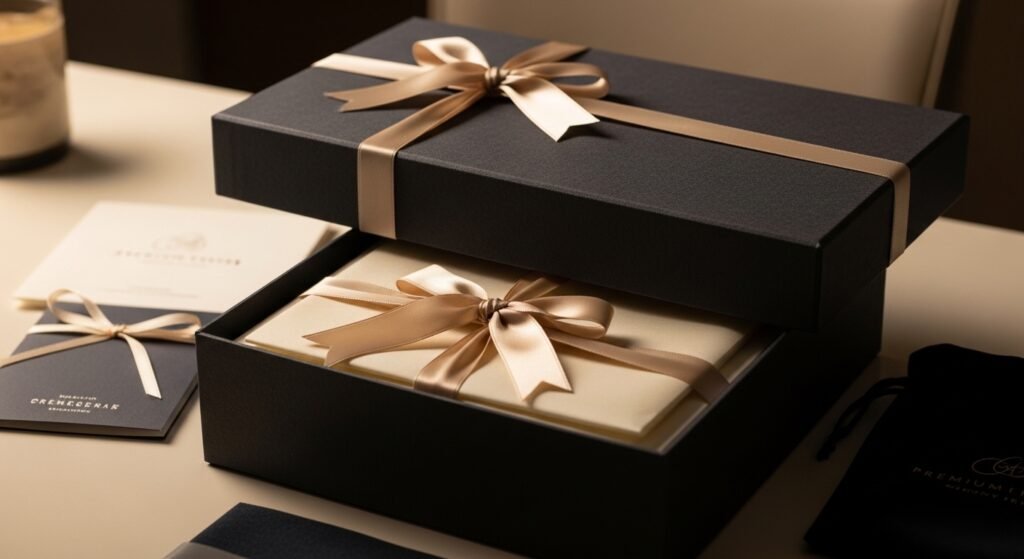
Heavy boxes and nice silk ribbons make unboxing feel special but they are not cheap to produce. You are covering the cost of that elaborate wrapping that usually just ends up in the closet.
Created Artificial Scarcity
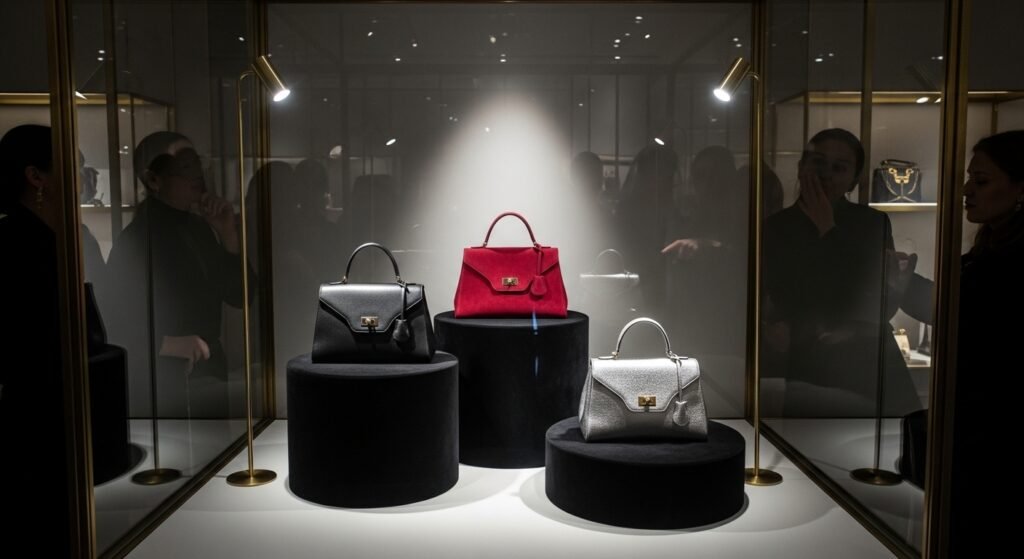
Companies make fewer items on purpose so they feel special and rare to find. When things are hard to get people usually want them even more than normal. This trick lets stores charge way more money because everyone wants the few items available.
Heritage And Storytelling
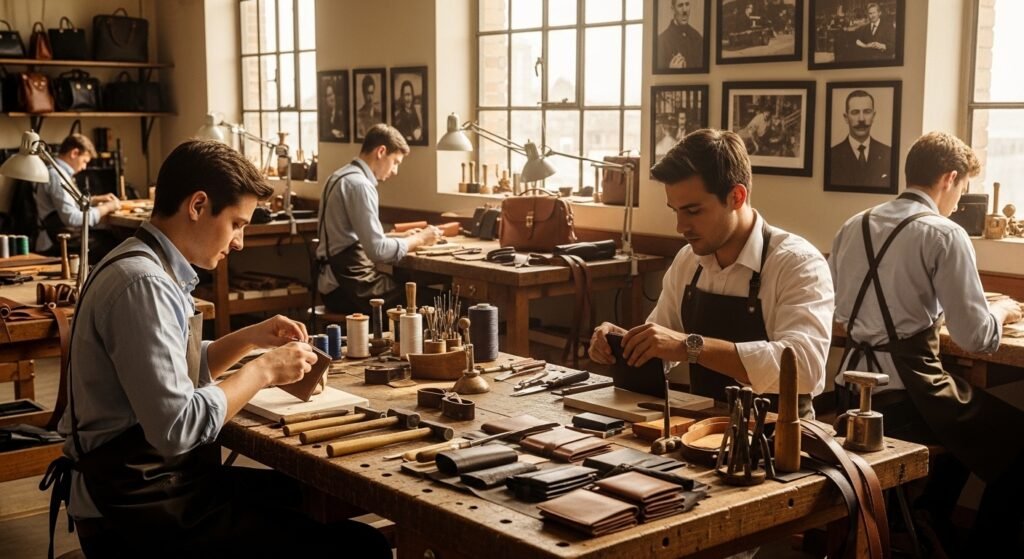
Many luxury houses sell you on their long history of craftsmanship or a specific founder’s story. Paying for that tradition can make the item feel special even if modern manufacturing methods are mostly used today.
Elite Customer Service
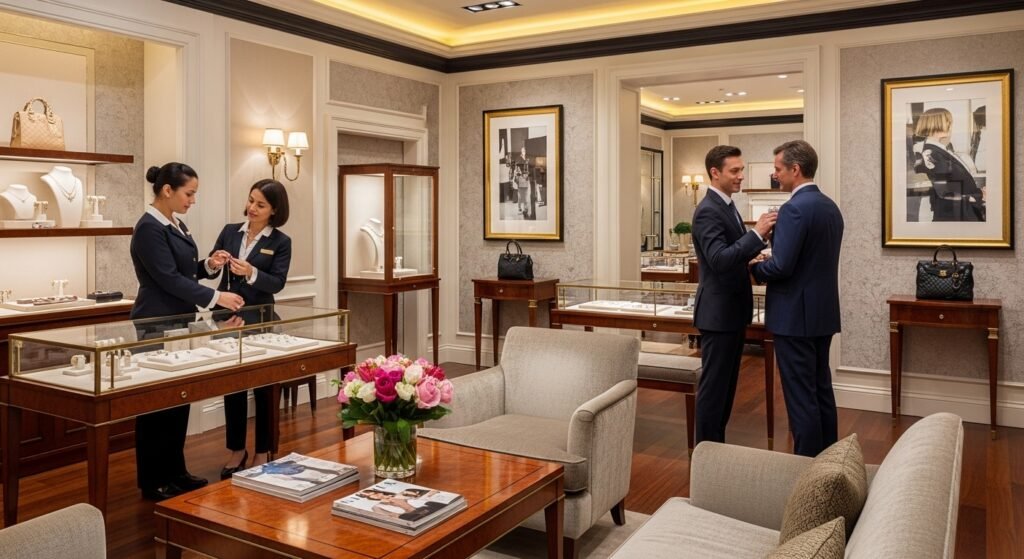
The special treatment you get at expensive shops makes you feel important and happy. You might get a free juice while you look around. Just remember that the cost of that staff and the pretty store is added to whatever you decide to buy today.
High Markups on Raw Materials
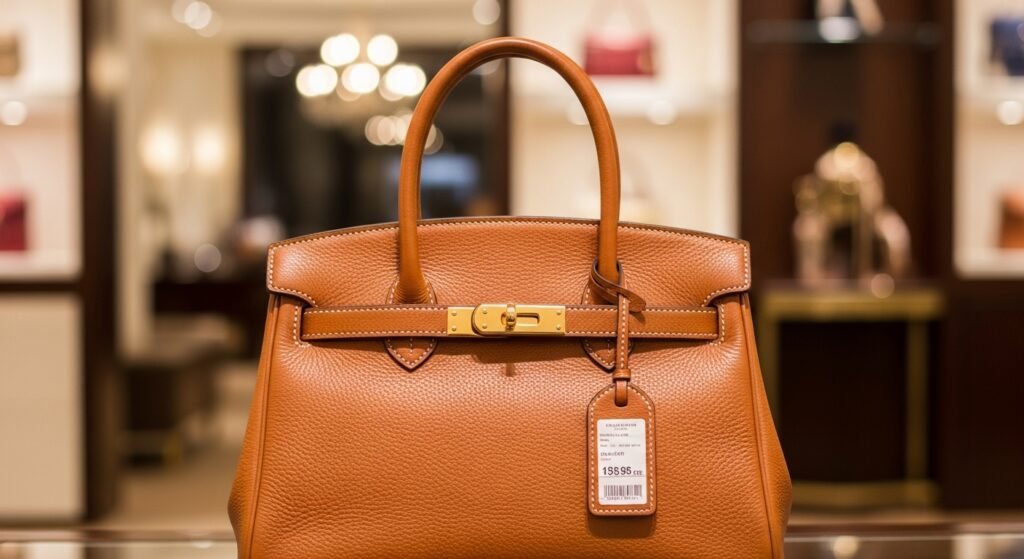
While luxury goods use nice materials the gap between the cost to make it and the final price can be huge. You are paying a very high markup that often goes way beyond just the quality of the leather or fabric.
Fashion Show Production
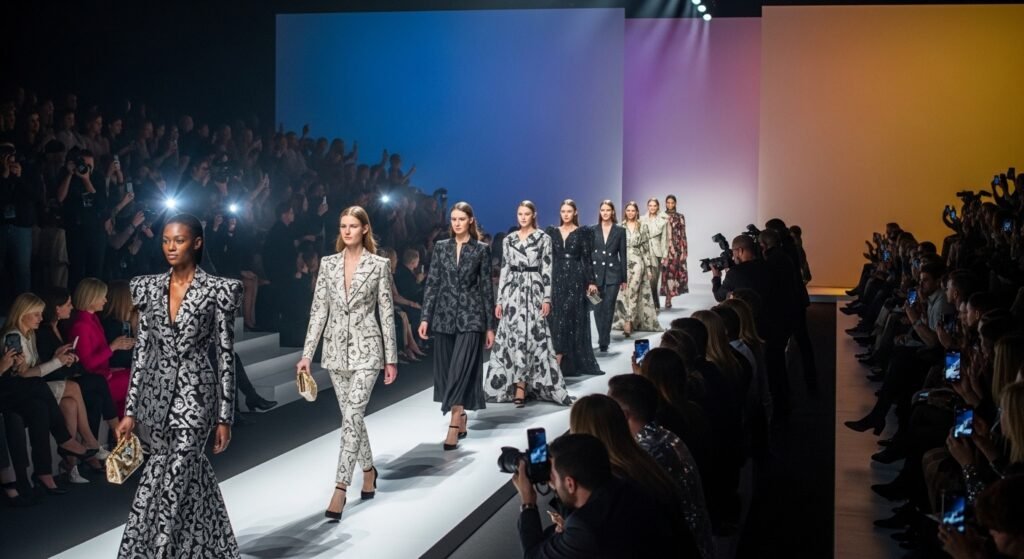
Those huge glamorous fashion shows in Paris and Milan cost a fortune to put on with models and lighting. The brand passes those massive event costs down to the consumer who buys the clothes or accessories.
Related Posts