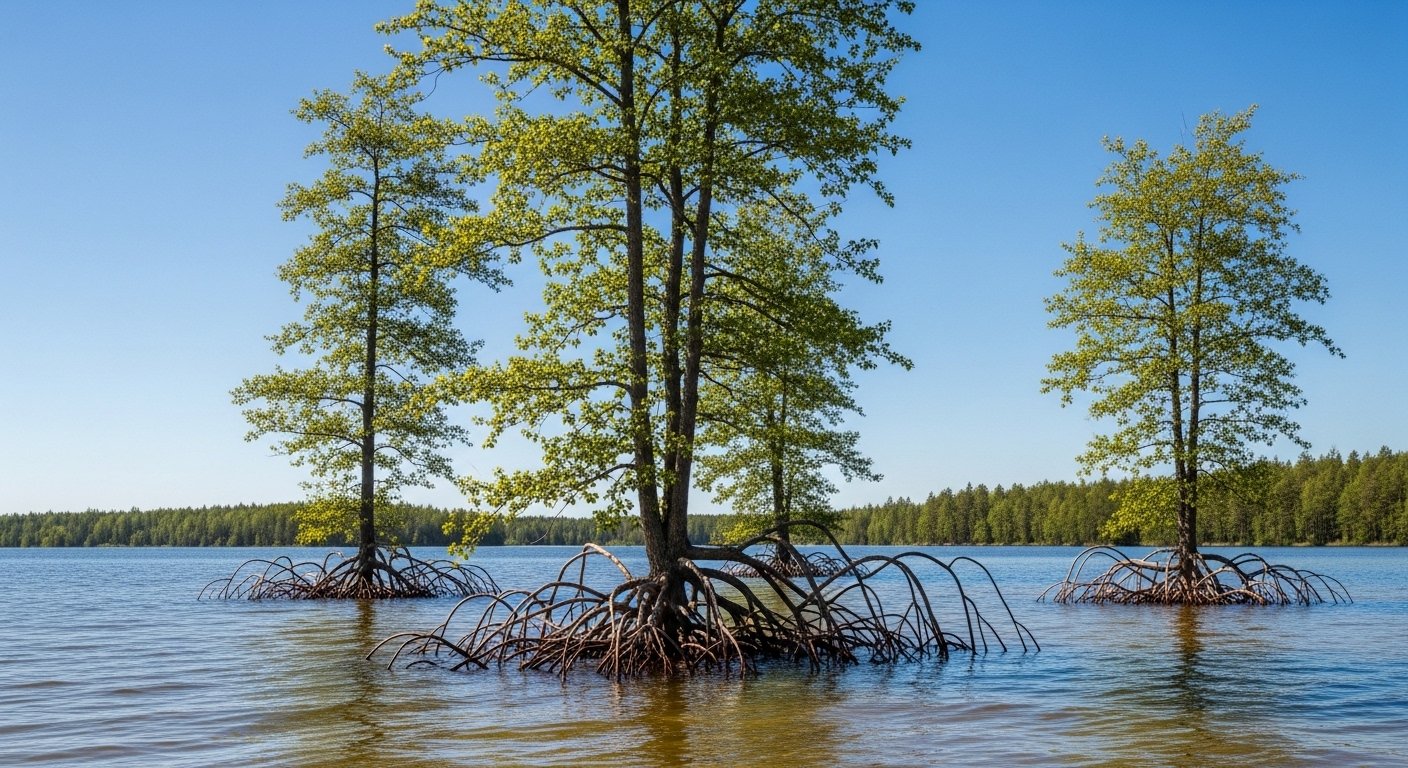
Up above the waves, a floating woodland thrives – nature’s rarest trick. Water becomes soil when roots stretch into air, supporting life where none seemed possible. Creatures make homes among trunks that never touch land. Shorelines gain shelter, also stability, as currents lose their power to carve and crash. Even at their soggiest, landscapes find ways to grow without soil.
Nature Built These First
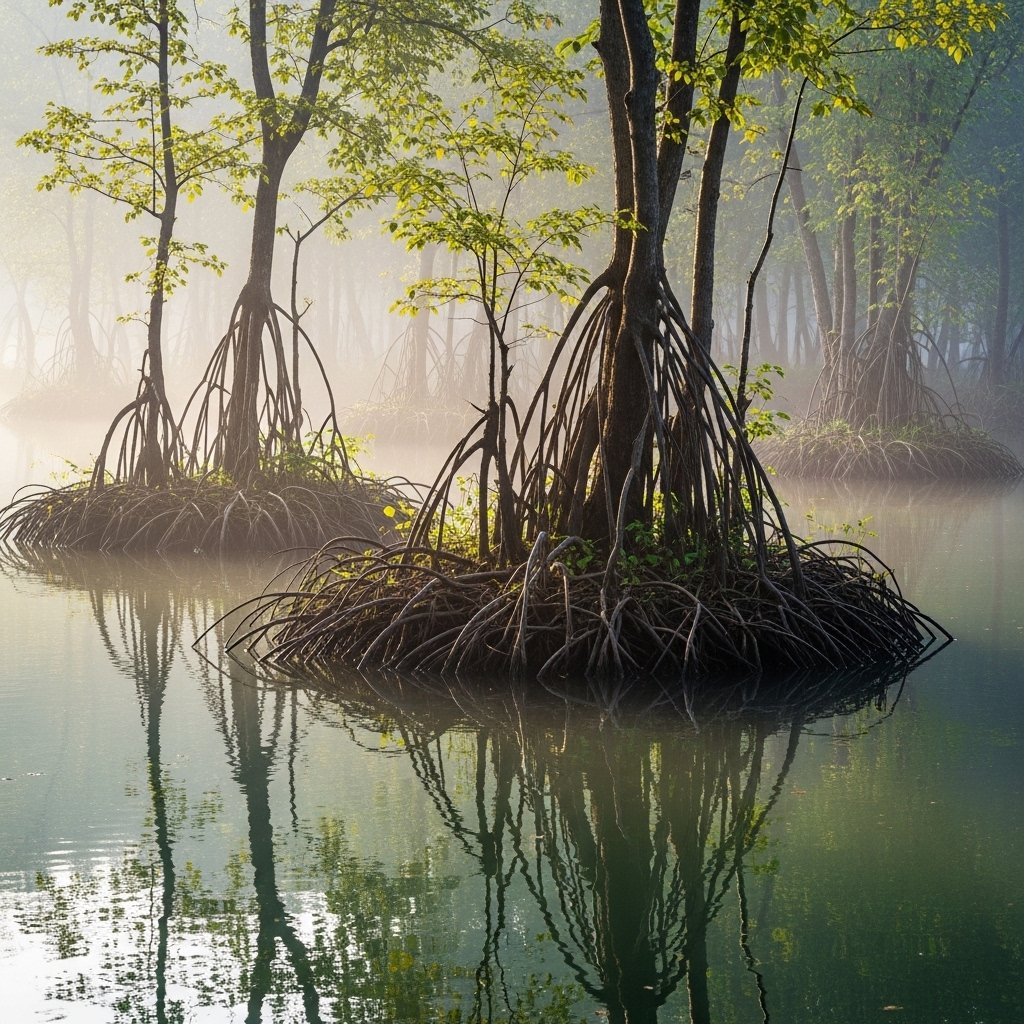
Out there, big clusters of underground growth – roots mixed with old vegetation – form dense pads settling just below the surface. Sometimes these thick layers gain such weight they carry full tree trunks, even saplings, floating through backwaters or quiet ponds.
Mangroves Are The Experts
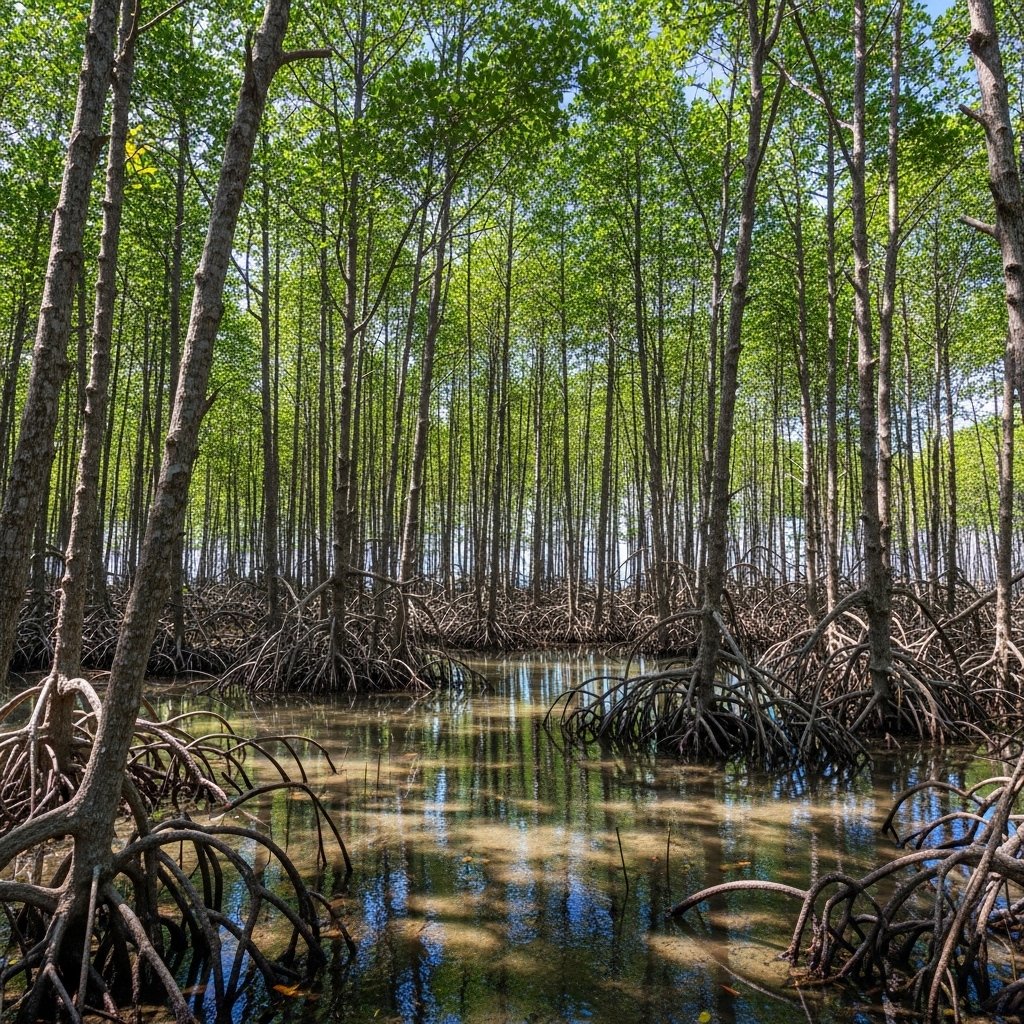
You likely spot mangroves first – those tall trunks stuck on stilts, as if lifted by invisible hands. Not floating free, mind you; just surviving constant shifts between land and sea. Their exposed networks give the impression of legs splayed in shallow pools, always ankle-deep in salt.
The Famous Shipwreck Forest
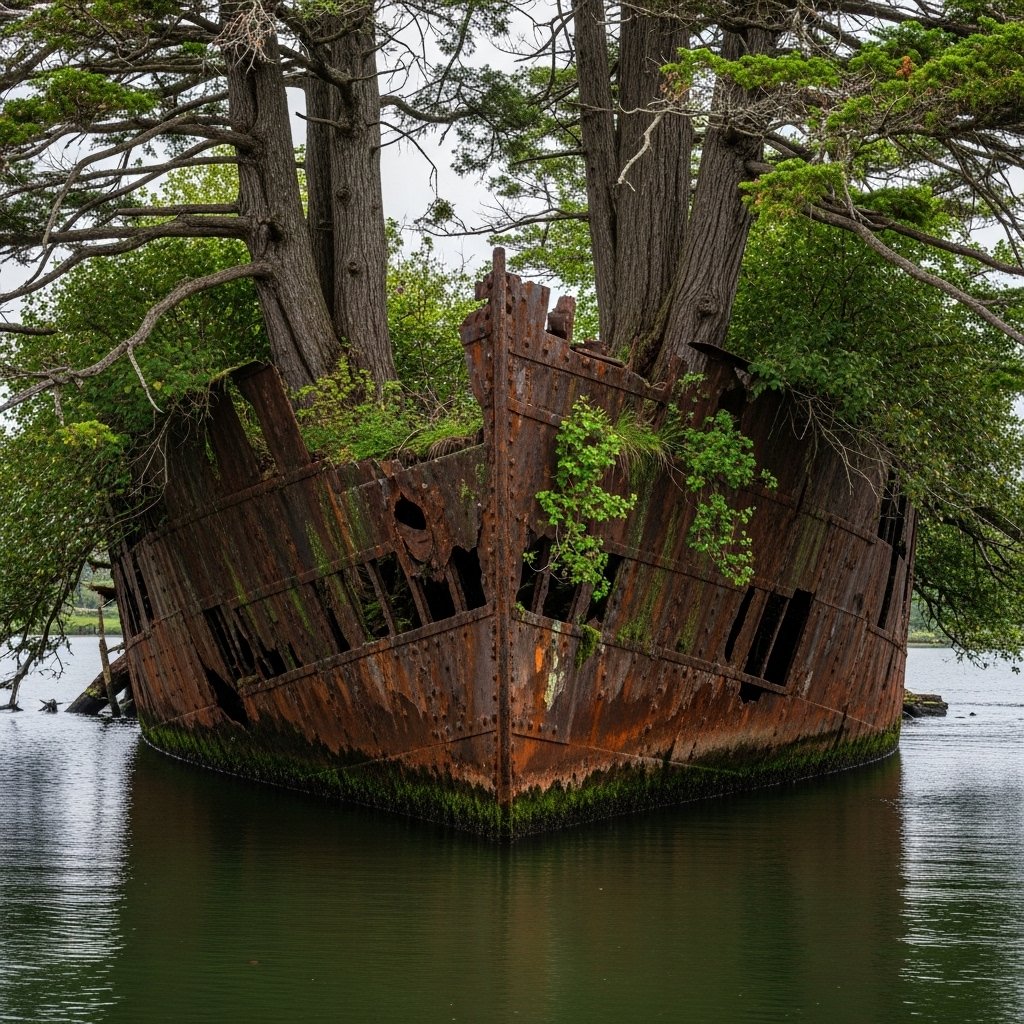
A hundred years underwater, maybe, the old SS Ayrfield sits in Australia where vines crawl through cracked metal. No one shifted it, so leaves found their way in – now moss drapes anchors, ferns root between rusty plates. Nature walked in without knocking. Today’s scene: thick trunks rising from a hull once sailed by humans, hidden woods swaying above still water near the harbor’s edge.
Urban Floating Forests
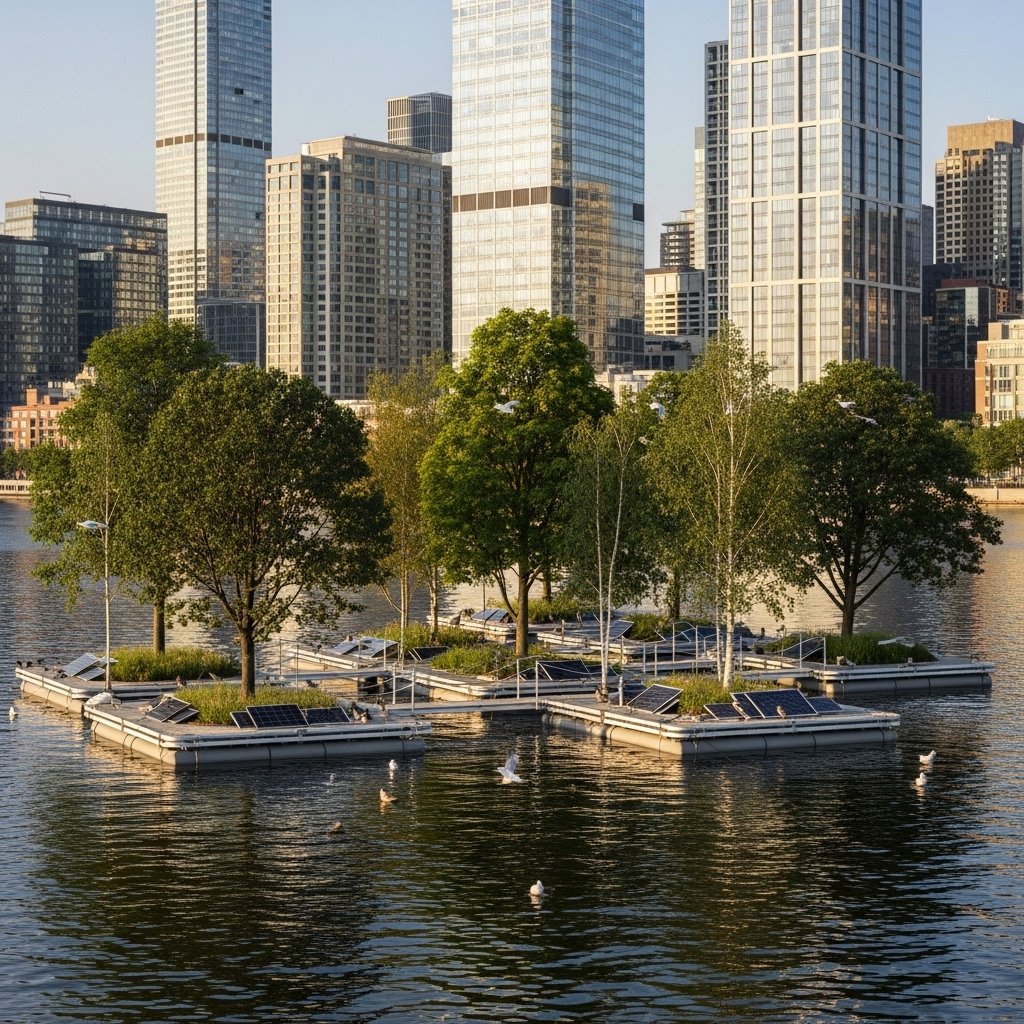
Cities now include floating woodlands, even in busy spots like Rotterdam. Instead of concrete, they stack trees inside buoyant units made from reused ship parts. Birds find shelter among leafy roots swaying above the waves. Cleanthru happens naturally as roots grab air and light below deck-like modules floating by day and night.
Why They Do Not Sink
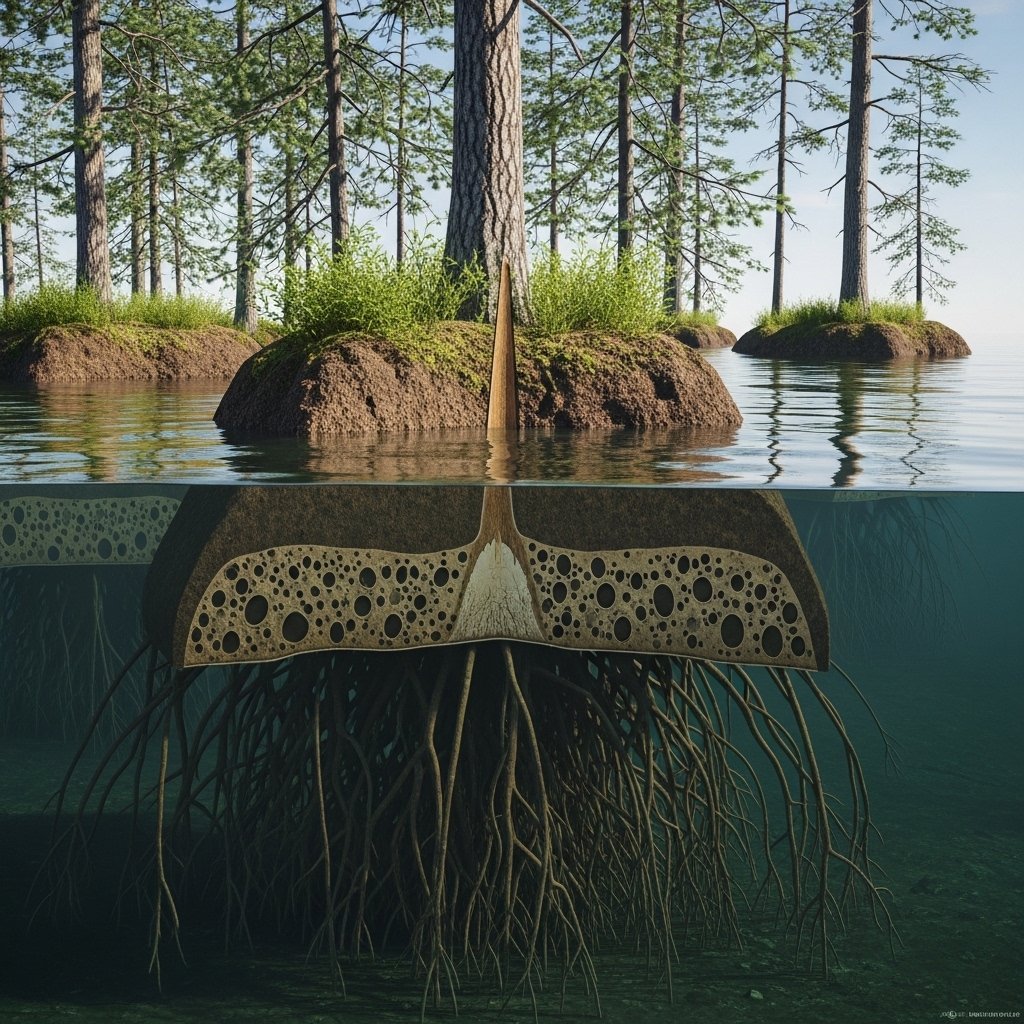
Down below, some trees might drown with soaked roots yet these ones adapt by breathing through unique bark layers or stretched-out trunks. Floating steadily, they rely on pockets of oxygen locked inside wooden rafts or dense peat layers – this balance holds them floating without sinking.
A Home For Many
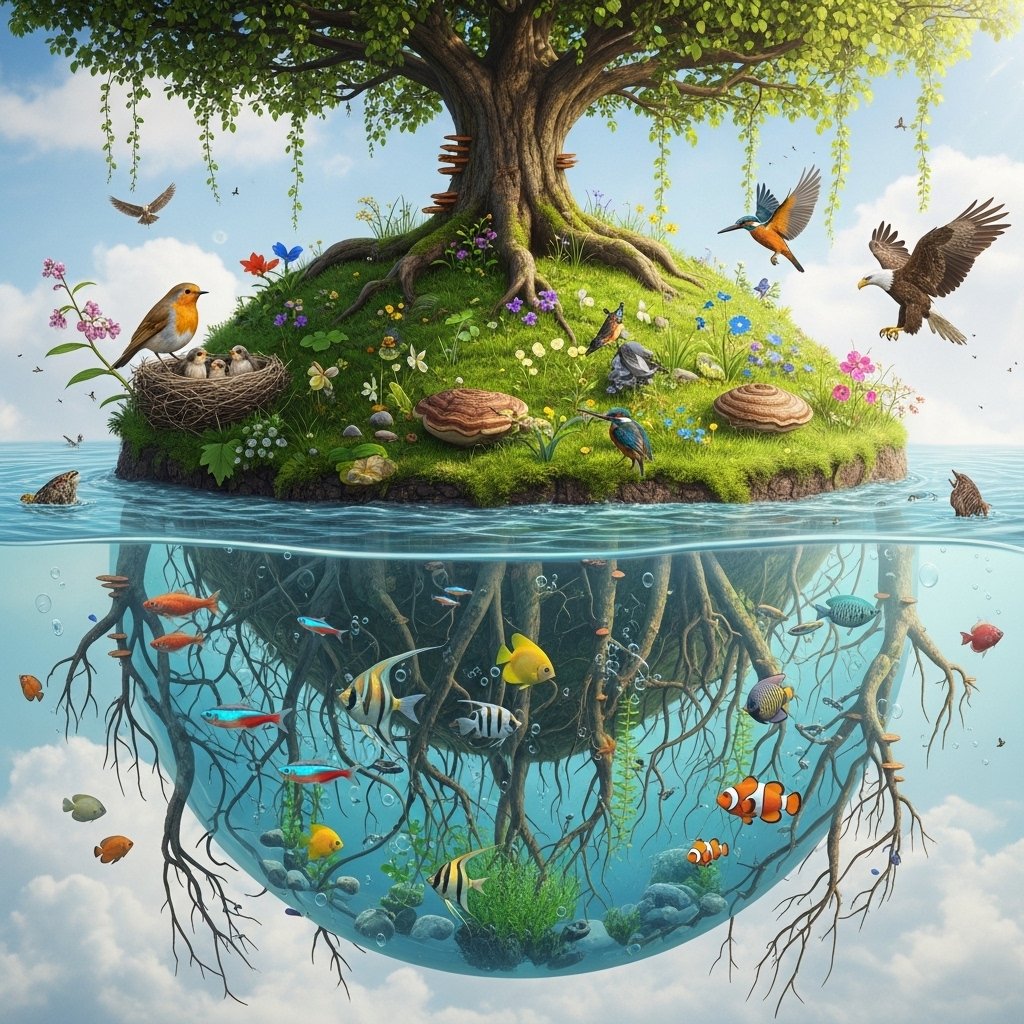
Out here, little tree islands host fish and birds alike, offering them shelter because underwater roots act like secret caves. Bigger creatures find fewer spots to hunt when those above-water hubs are active. Nests rise safely into the air while danger stays below, creating balance without needing words.
Helping Our Planet
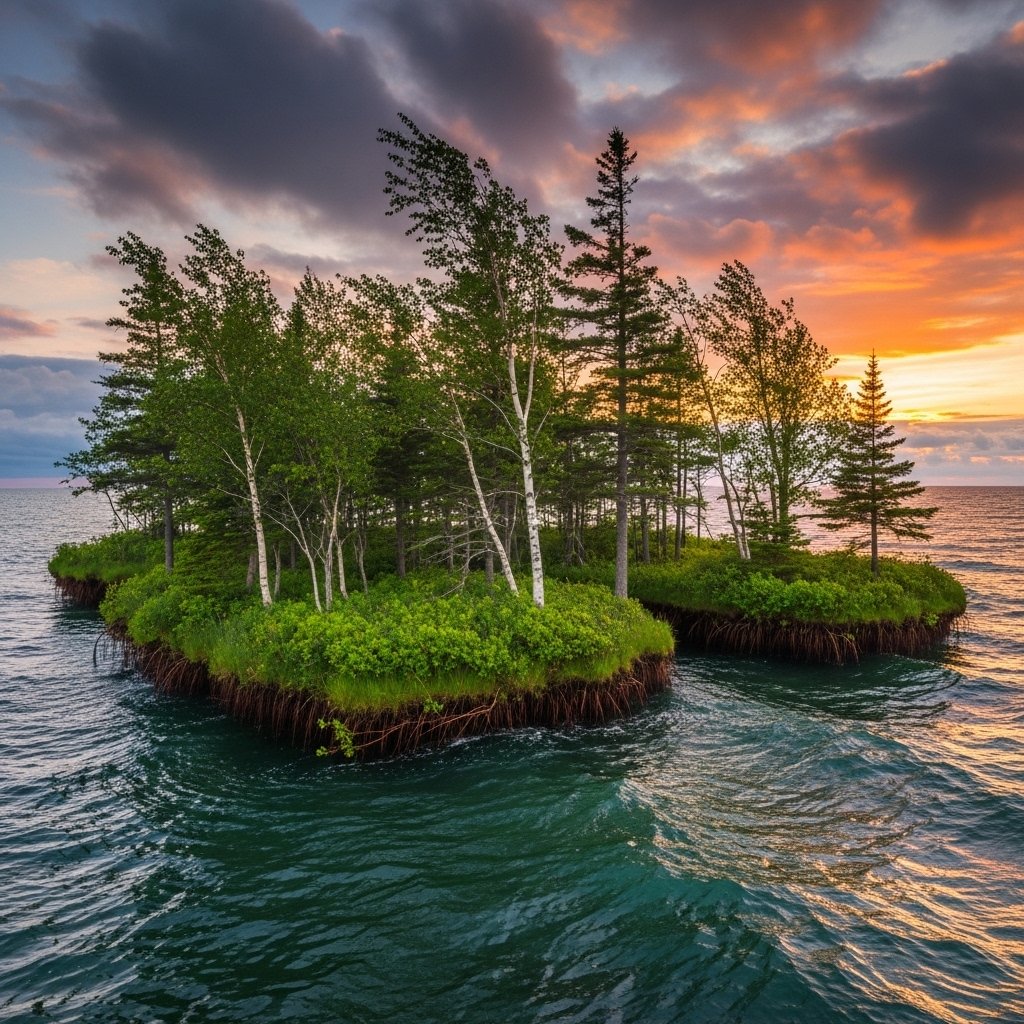
Out in the water, moving woodlands absorb more carbon than most plants. When strong winds roll through, these masses absorb shock like deep absorbent pads. Breezes gentling their trunks, they soften ocean fury far above tides. Houses stand firmer where swell gets softened miles offshore.
Finding Them Today
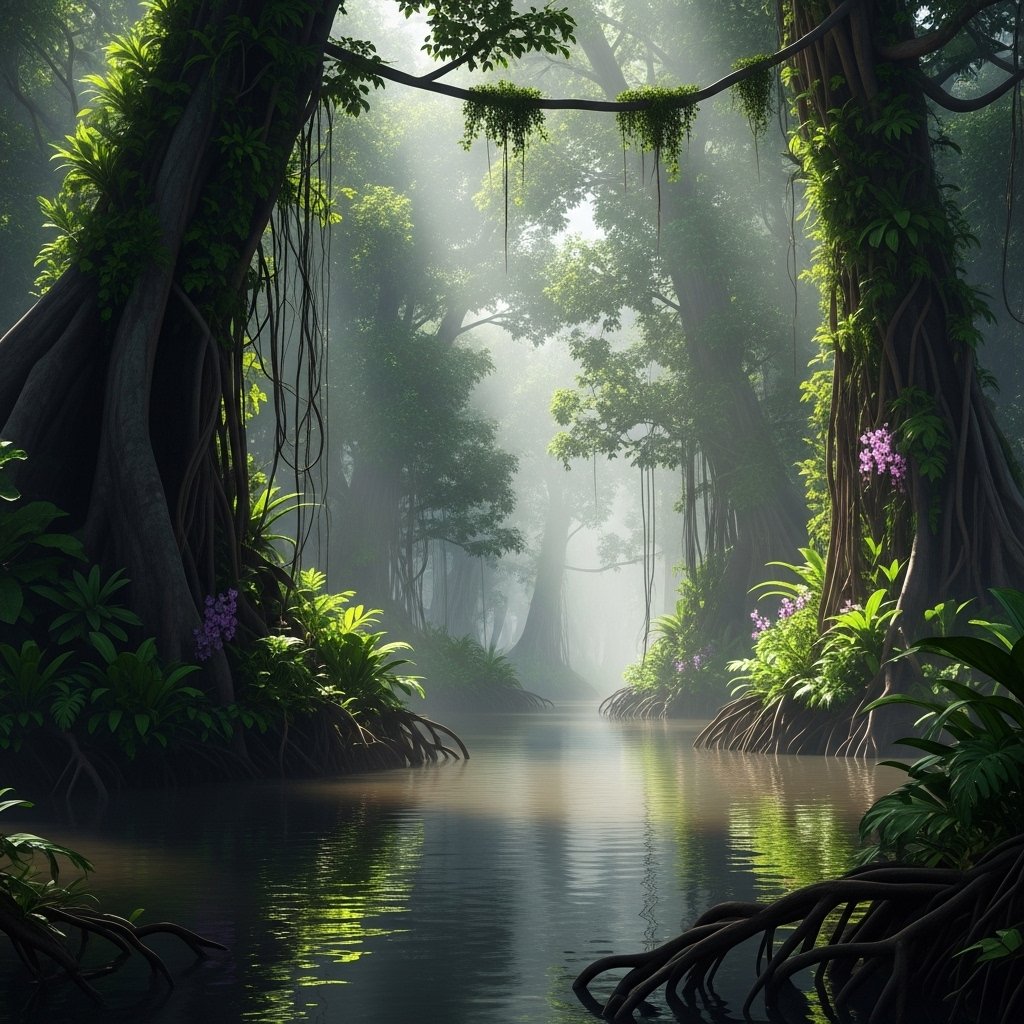
Out in the Amazon, or maybe behind those crowded lily pads in a backyard pool – you might spot something odd. Not exactly magic, but nature doing what it does when no one’s looking. These spots show how stubborn green things really are. Growth doesn’t care if it’s wet, wild, or weird.
Related Posts