
Sourdough bread has exploded in popularity, thanks to its tangy flavor and that classic chewy texture. But beyond the taste, the natural fermentation process using wild yeast and lactic acid bacteria sets it apart from regular commercial breads made with quick baker’s yeast. This long, slow fermentation can break down certain compounds in the dough, potentially making sourdough gentler on your body in several ways.
Recent studies (including reviews from 2023 to 2025) back up many of these perks, though benefits can vary based on the recipe, flour type (white vs. whole grain), and fermentation time. Here’s a breakdown of the key effects on your gut, blood sugar, nutrient absorption, and more, plus the nutrition facts and potential downsides.
Easier Digestion and Gentler on the Gut

The fermentation process partially breaks down gluten and reduces hard-to-digest compounds like FODMAPs, phytates, tannins, and trypsin inhibitors. This can lead to less bloating, gas, and gastrointestinal discomfort compared to regular bread. A 2023 review of multiple studies found that people switching to sourdough often reported better gut comfort, and some research links it to supporting a healthier gut microbiome through prebiotic-like effects from resistant starch and fiber.
Steadier Blood Sugar Levels

Organic acids (like lactic and acetic) produced during fermentation slow starch digestion and glucose release into the bloodstream. This gives sourdough a lower glycemic index (GI) than many other breads, often around 54 for a typical serving compared to 70+ for white bread. Studies show this results in smaller blood sugar spikes and better overall glucose control, which may benefit people managing diabetes, insulin resistance, or just wanting stable energy without crashes.
Improved Nutrient Absorption

Fermentation degrades anti-nutrients like phytic acid (which binds minerals such as iron, zinc, magnesium, and calcium, blocking absorption). Research indicates sourdough can reduce phytic acid by 50 to 96% depending on conditions, boosting mineral bioavailability, especially in whole-grain versions. This makes nutrients from the bread (and your meal) more accessible to your body.
Potential Prebiotic and Microbiome Support

The process creates resistant starch and other compounds that feed beneficial gut bacteria, potentially increasing short-chain fatty acid production in the colon. Animal and some human studies suggest this could promote a balanced microbiome, reduce inflammation, and support overall digestive health, though more long-term human trials are needed.
Lower Impact on Cholesterol and Other Markers in Some Cases

Limited studies (including mouse models and small human trials) hint that sourdough may help lower total cholesterol, triglycerides, and inflammation markers compared to regular bread, possibly due to fiber, resistant starch, and fermentation byproducts. These effects are not dramatic but add to its appeal as part of a balanced diet.
Rich in Key Nutrients

A medium slice (around 59g, made with enriched white flour) typically provides solid amounts of B vitamins, minerals, and more. Whole-grain or seeded sourdough amps up fiber and nutrients even more. Here’s a quick nutrition snapshot: Calories around 188, Carbs 36.5g, Fiber 1.8g, Protein 7.7g, Fat 1.3g, Iron 2.3mg (13% DV), Folate 83mcg (21% DV), Thiamine 0.25mg (21% DV), Niacin 3.2mg (20% DV), and Selenium 17.5mcg (32% DV).
Not a Miracle Food (Portion and Type Matter)

While sourdough offers advantages, it is still bread and high in carbs and calories if overeaten. Benefits shine brightest with long-fermented, traditionally made loaves (especially whole-grain). Quick “sourdough-flavored” commercial versions often skip true fermentation and miss out on perks.
Important Risks and Who Should Be Cautious
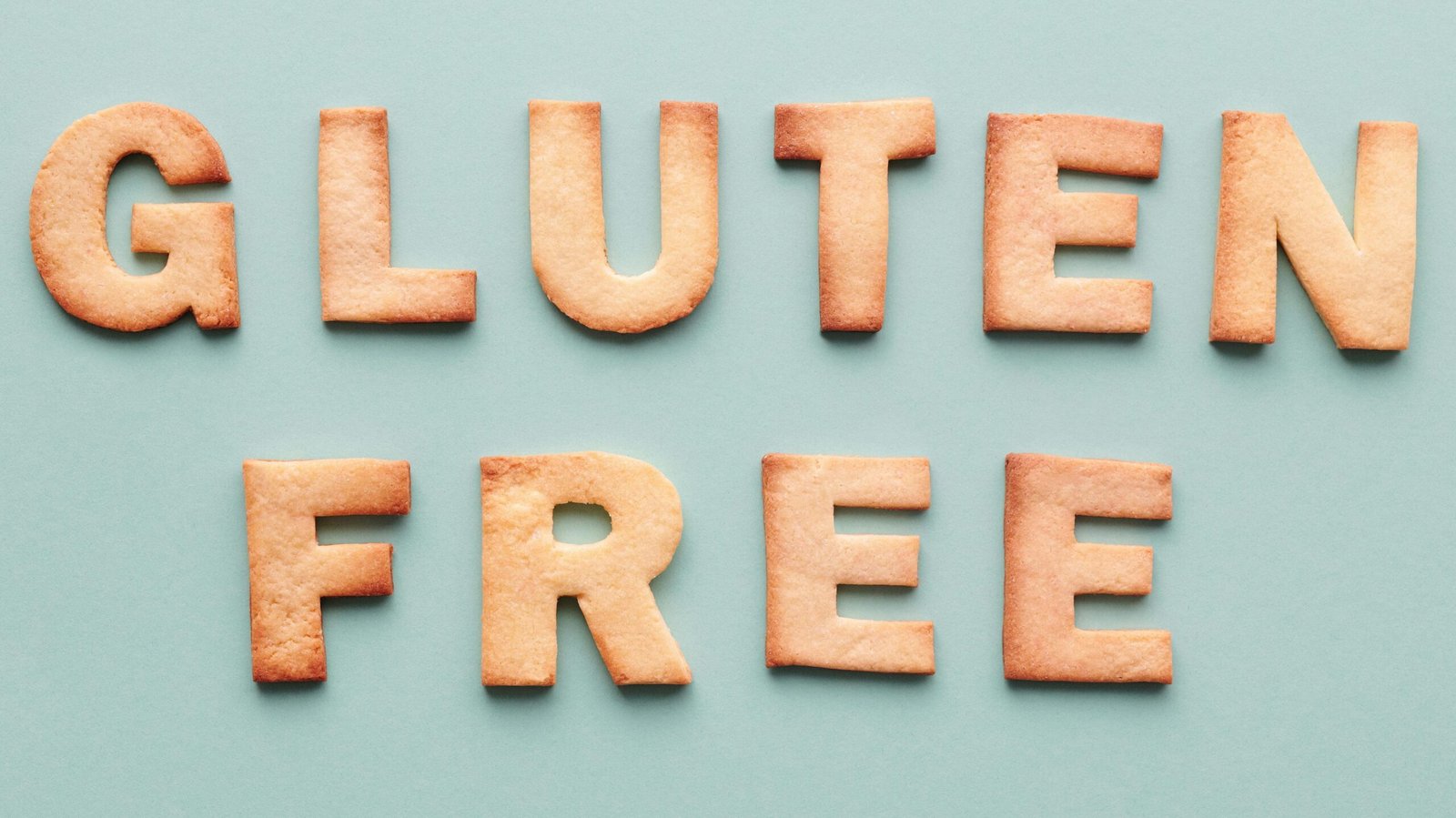
Sourdough contains gluten (though less than regular wheat bread due to partial breakdown) and is not safe for celiac disease or severe gluten intolerance. Opt for certified gluten-free sourdough (made with flours like buckwheat or quinoa) if needed. It may still cause issues for some with IBS or wheat sensitivities. Always check ingredients, as some add-ins could affect digestibility.
Related Posts