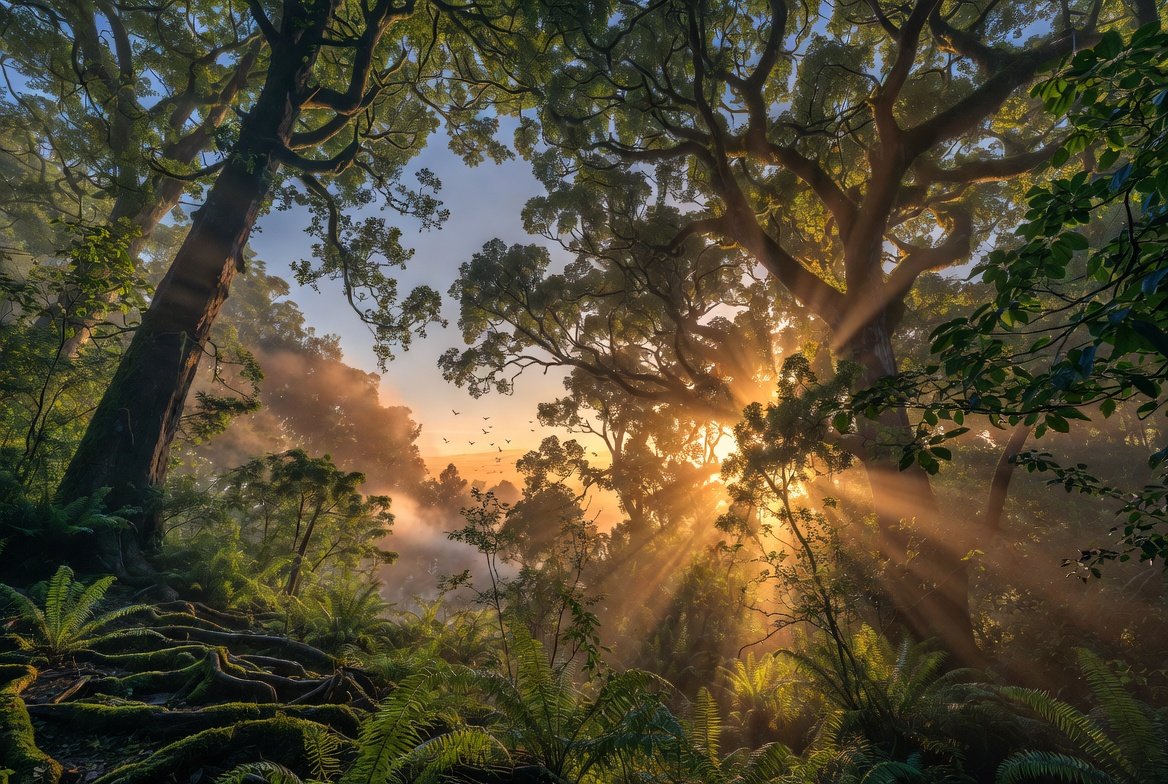
Trees are not simple silent ornaments in our gardens. They are life-giving systems and we do not even recognize them. In the background, the trees drag, drive and tidy up the ecosystems in the city roads to the dense thick forests to ensure the biodiversity and improvement of human well being. Climate, soil, water, and air are determined by their existence and they create conditions under which thousands of species survive, one of them being us. This is because, having known the role that trees play in our ecosystem, we tend to see them not only as a landscape, but as an essential part of ensuring the well being of our planet.
Trees Regulate the Climate
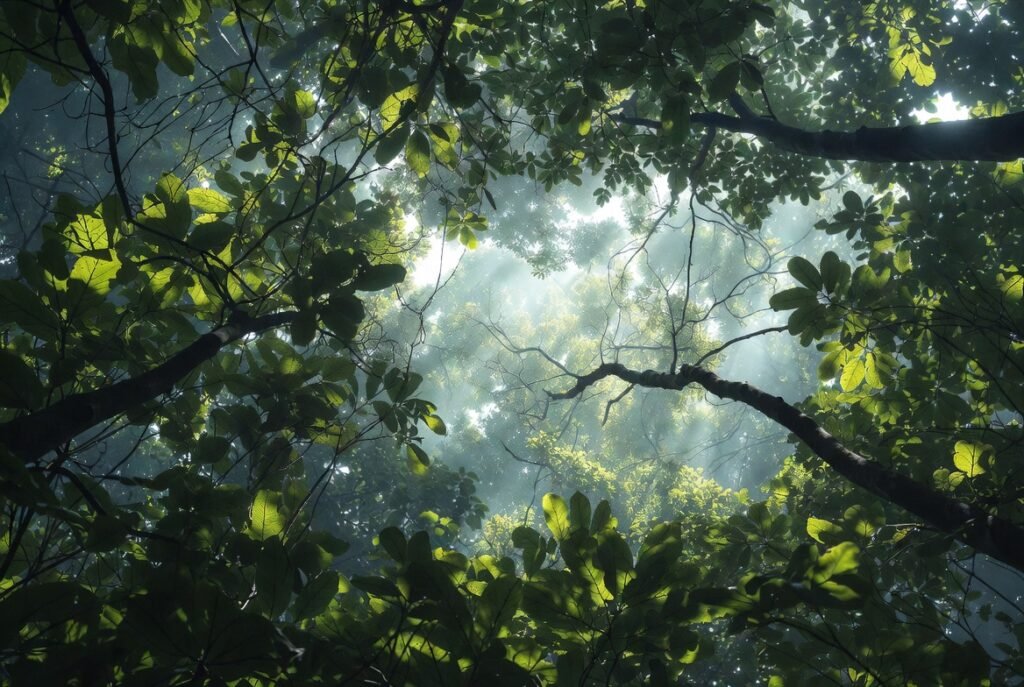
This is attributed to the fact that trees act as natural climatic regulators as they consume carbon dioxide and keep carbon in their trunks, branches and roots. In doing so, greenhouse gases in the atmosphere are reduced and global warming is reduced. Their color also gives a cooling effect to the surrounding areas, therefore cooling surface temperature in forests and the city area.
They Improve Air Quality
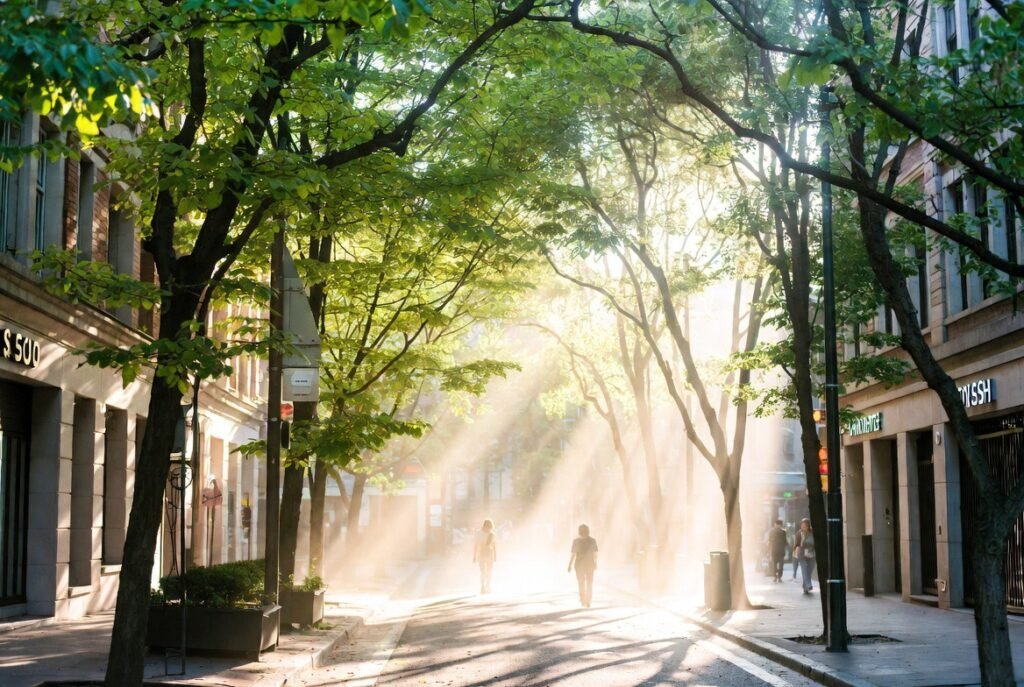
Leaves trap dust, smoke and air pollution and also trap gases which are toxic like nitrogen dioxide and sulphur dioxide. The trees release oxygen which helps to keep the environment clean and healthy to the human and other animals since the trees make the air we breath fresh.
Trees Support Biodiversity
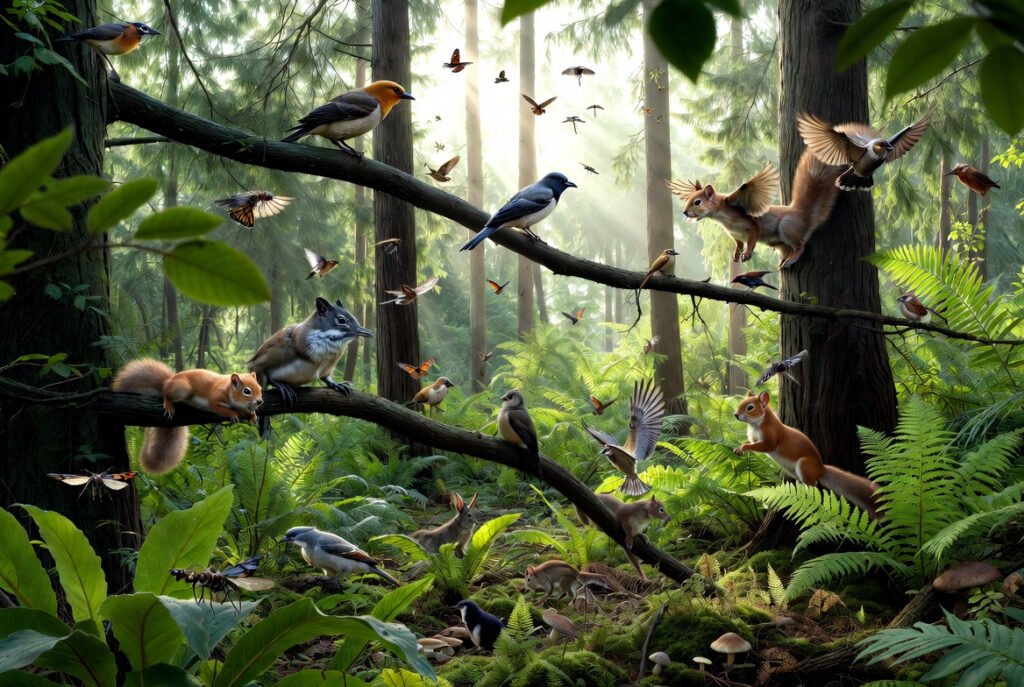
Forests serve as food, shelter and breeding areas to a variety of species. Birds, insects, mammals, fungi and microorganisms need trees. One tree may offer a micro-ecosystem with the entire life cycle over the ground and under it.
They Protect Soil Health
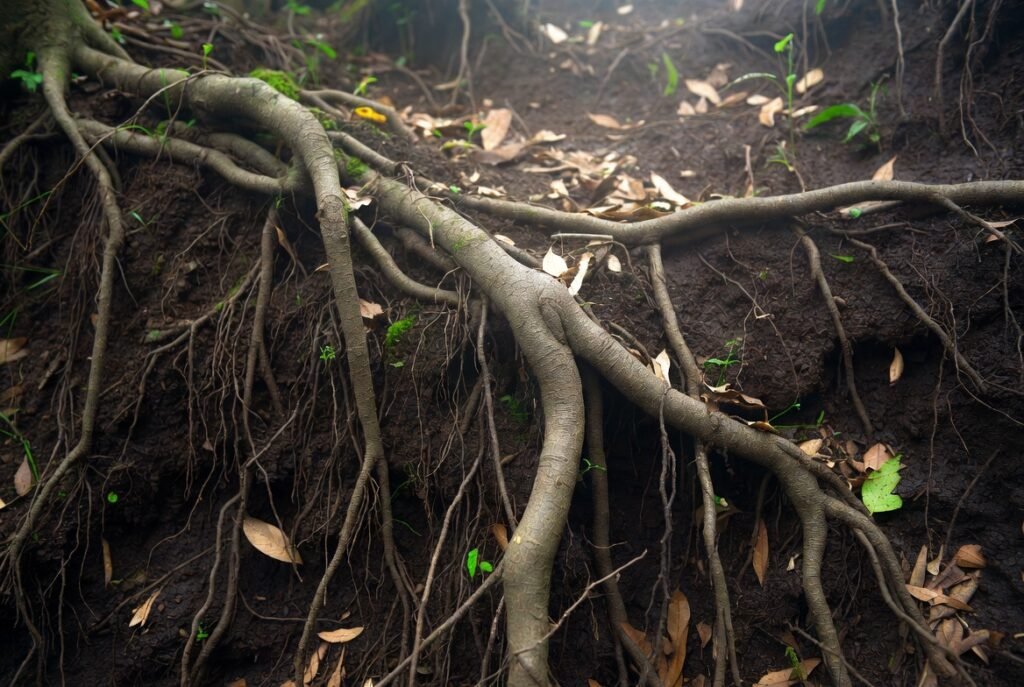
The practice of utilizing tree roots helps in maintaining soil and prevents any sort of erosion owing to wind and rain. The fall leaves decayed to organic material and add to the nitrification of the soil. Plants grow by this good soil and contribute towards a balanced ecosystem.
The trees are also very important in the water cycle
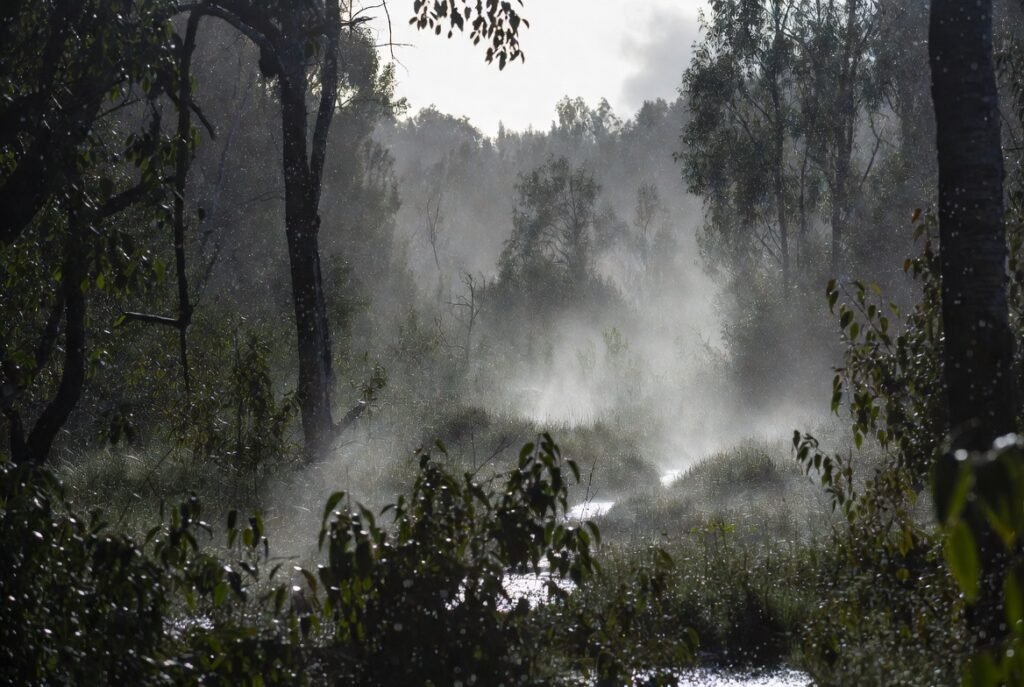
The moisture is released to the atmosphere by transpiration through which rain falls on the trees. Plants and animals can be stabilized in the process of supplying water throughout the year since it can be used to stabilize rainfall, control over flooding and replenish the ground water levels.
They Minimize the Impact of Natural Disasters
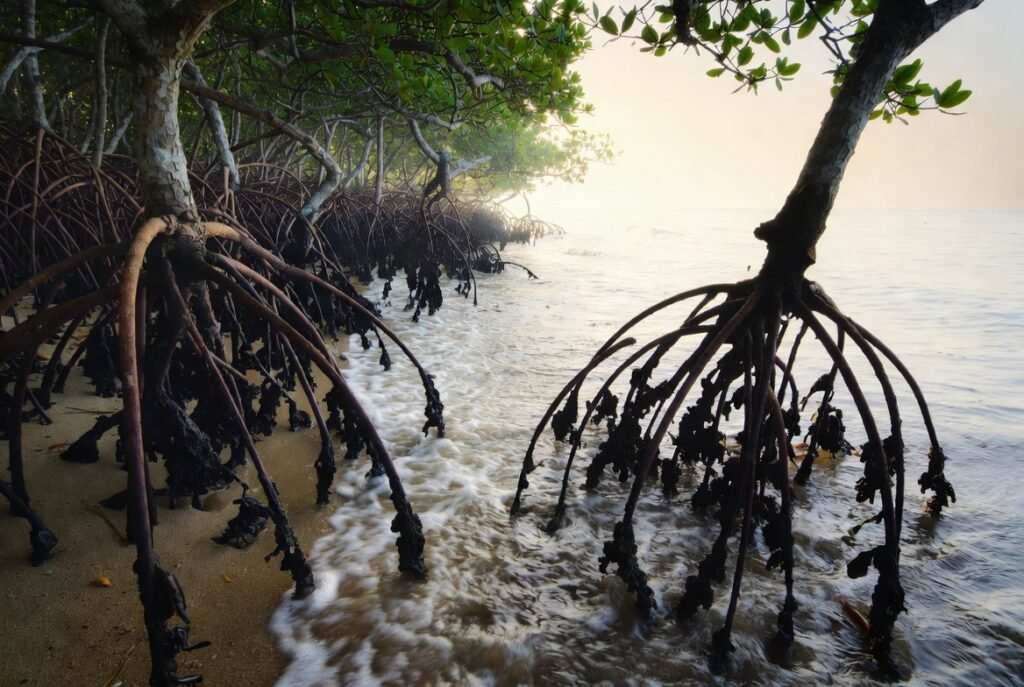
Forests have been used to curb floods, landslides and storms. The coastal mangrove trees are an example that protect the shoreline since it tames the energy of waves and reduces erosion during storms and cyclones.
Trees are good for the well-being and health of human beings

It has been identified that green spaces that include trees are linked to reduced incidences of stress, good mental health, and physical health. Shade would also help in the minimization of heat related diseases since trees would provide shade especially in cities.
They Provide the Necessary Resources
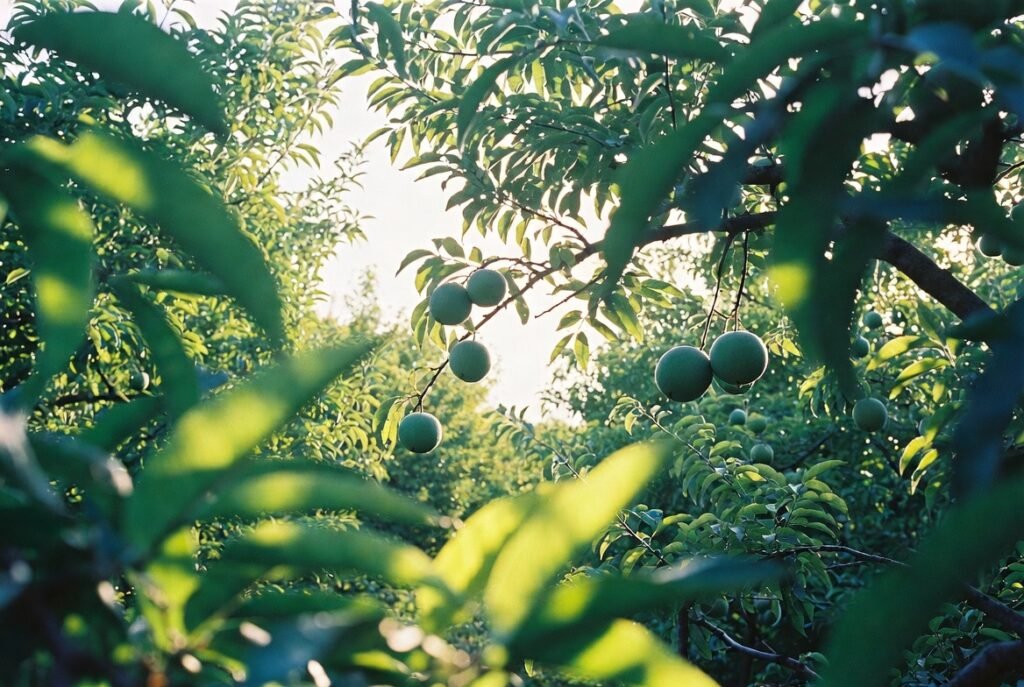
The trees yield fruits, nuts, medicine, wood, and fibers that are consumed in our daily lives. The origin of most conventional and contemporary medicine is based on trees and this explains the importance of tree-based medicine besides its green aspect.
Trees Improve the Balance on an Ecosystem
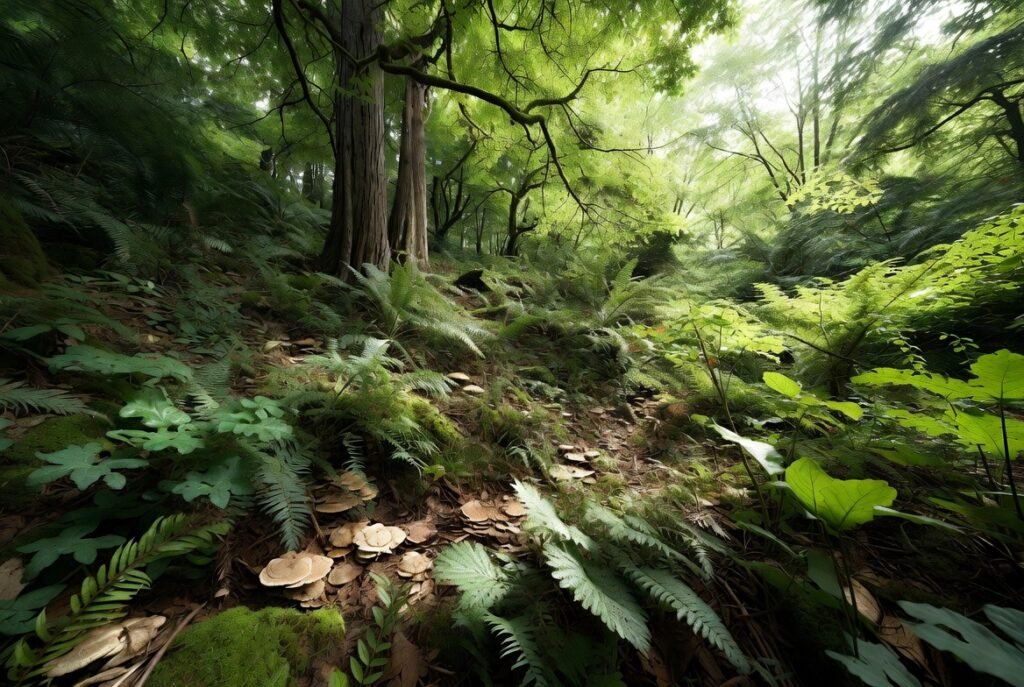
Trees enhance ecological stability by engaging in contact with soil organisms, plants, fungi and animals. Their elimination affects food chains and reduces the resiliency of the ecosystem, which makes them prone to collapse.
Related Posts