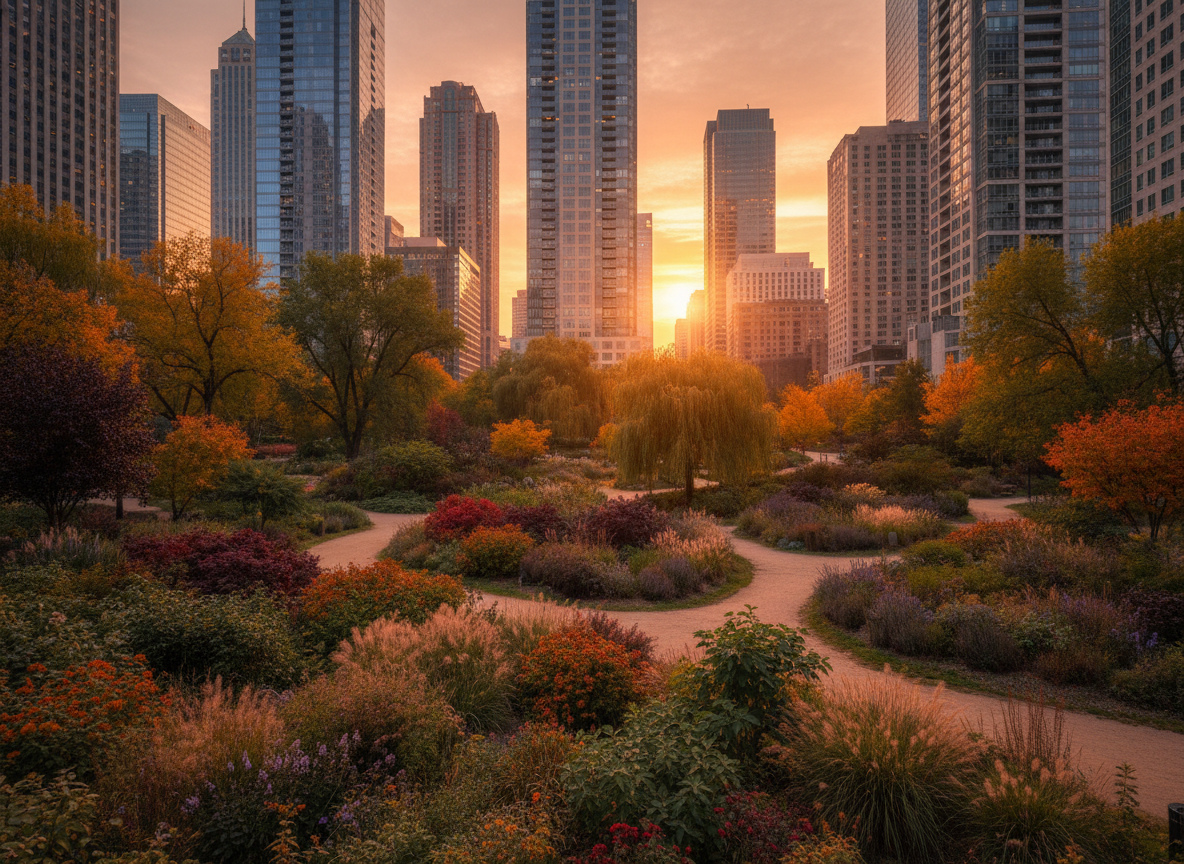
Nature used to feel like something far away from city life. That idea is changing little by little. City parks now focus more on natural spaces and less on strict layouts. They bring green areas closer to where people spend their time. This makes it easier for many to enjoy fresh air without planning a long trip.
Bringing The Wild Back

Many cities are swapping out perfectly mowed grass for native plants and tall wildflowers that look a bit more messy but natural. These spaces help local birds and bees find a home right in the middle of busy concrete streets and tall buildings.
Nature For Everyone
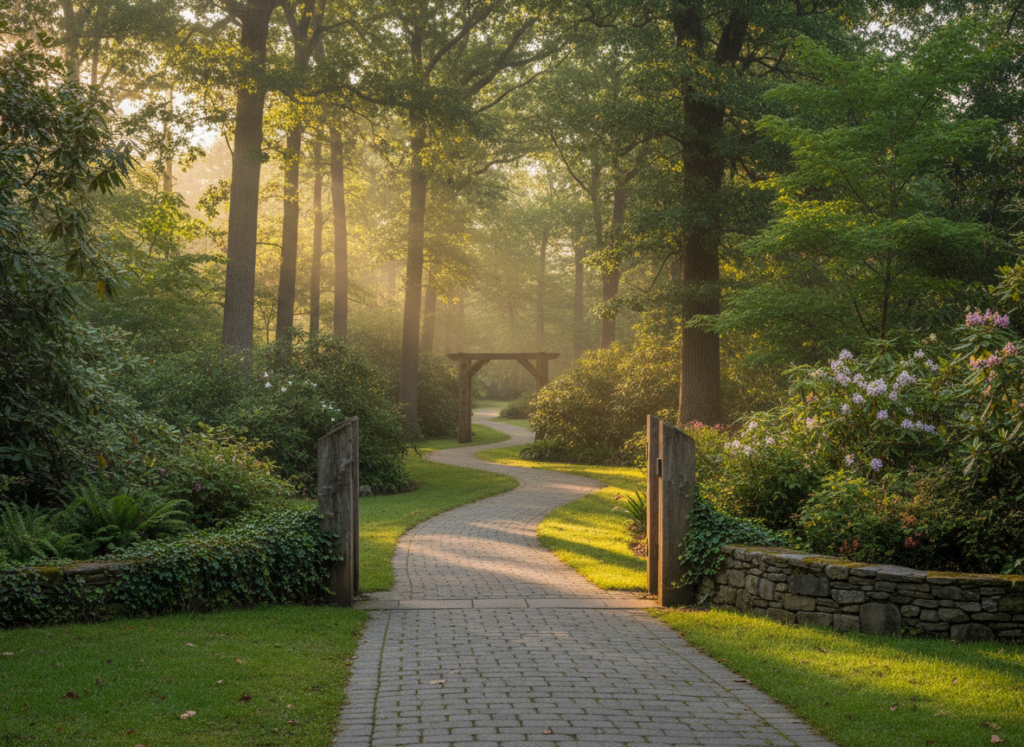
City parks today are designed with nearby access in mind. Many people can walk to green areas quickly, making outdoor time a normal part of everyday routines instead of something saved for holidays and weekends.
Helping With Big Storms
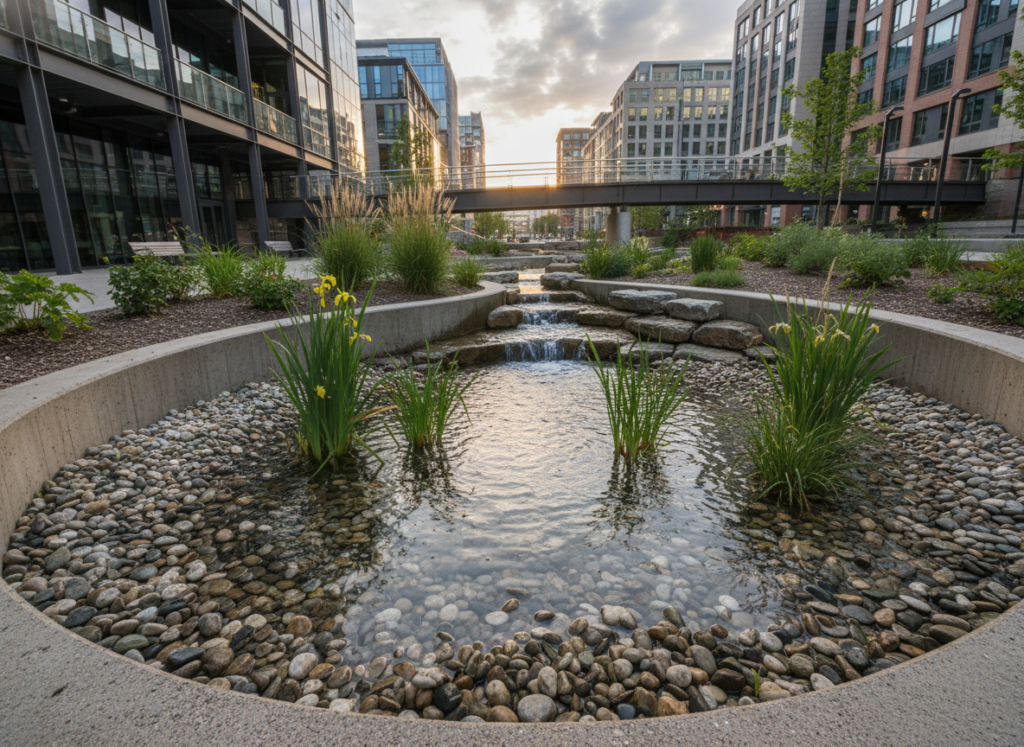
Many new city parks are designed to hold rainwater during strong storms. They slowly absorb water, which may lower flooding near homes and stores, while also giving people calm green places to enjoy outside together.
Pocket Parks Everywhere
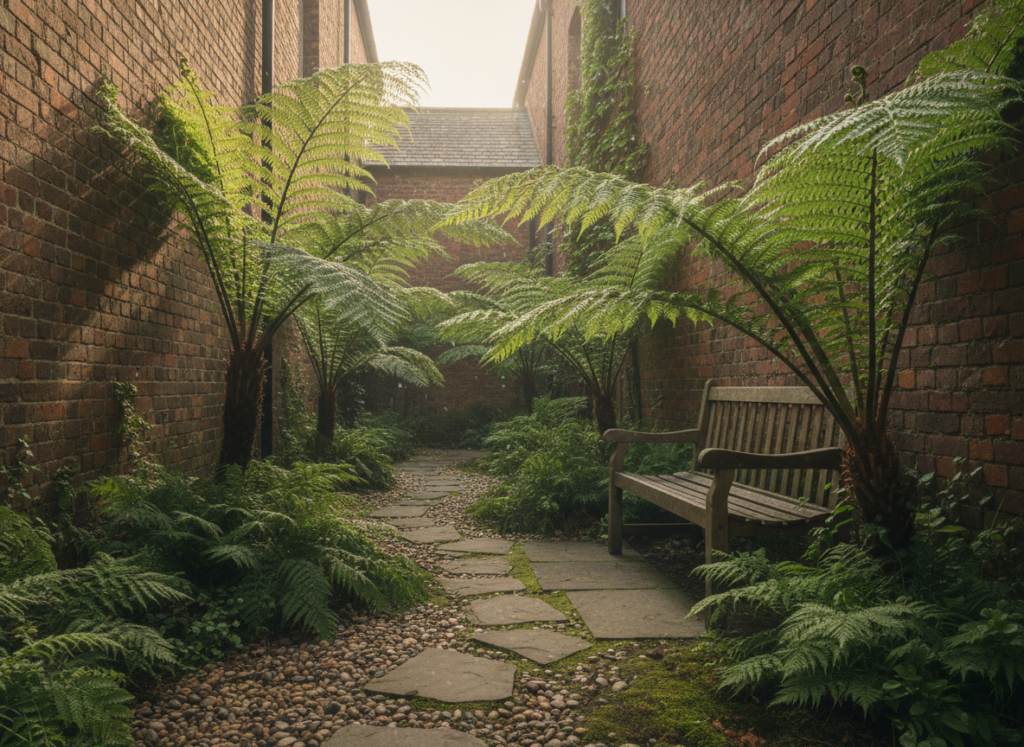
Small unused spaces between buildings are slowly becoming simple garden spots. People sit, rest, and enjoy calm moments there. These pocket parks show that nature can be felt without large forests or long trips outside.
Native Plants Rule
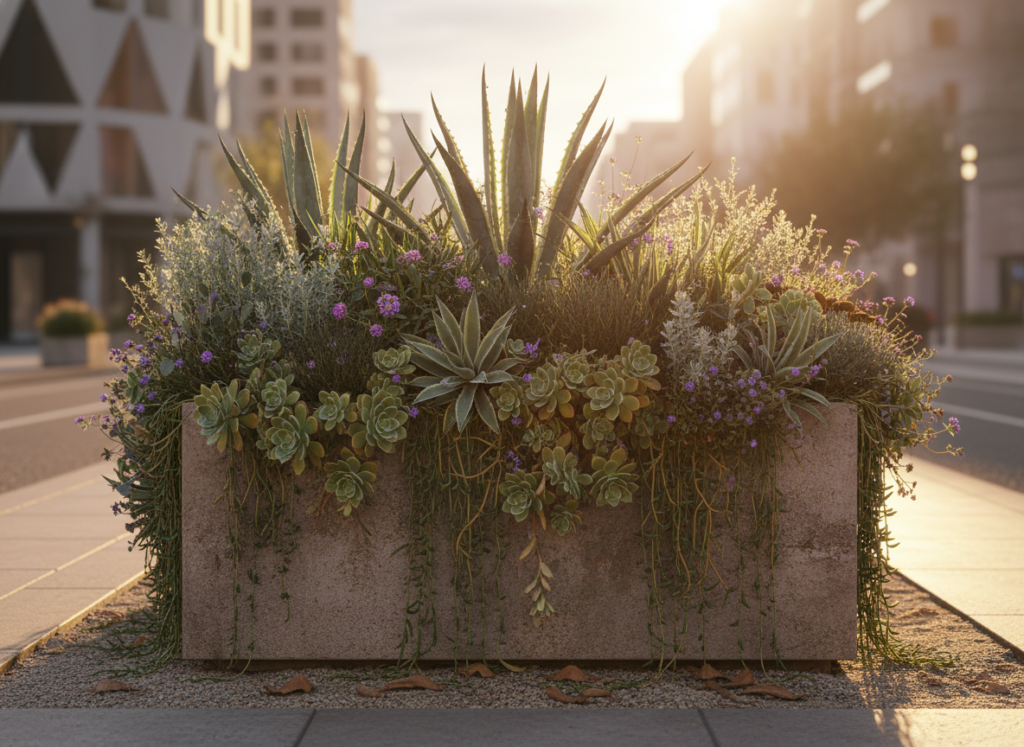
Gardeners in city parks are choosing plants that actually belong in the region because they use way less water and stay healthy longer. This move away from exotic flowers helps people learn about what the local landscape looked like before the city was even there.
Learning While Walking
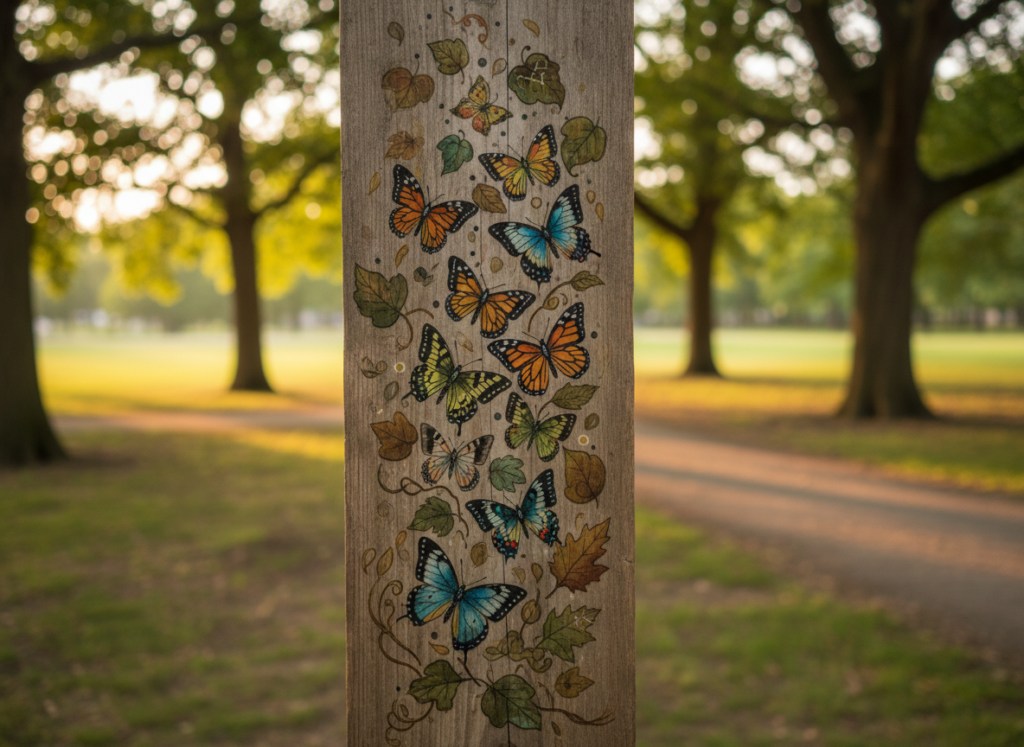
Many newer city parks now have simple signs that explain nearby trees and insects as you walk. This can make a normal walk feel like a small outdoor lesson for adults and children together.
Better Mental Health
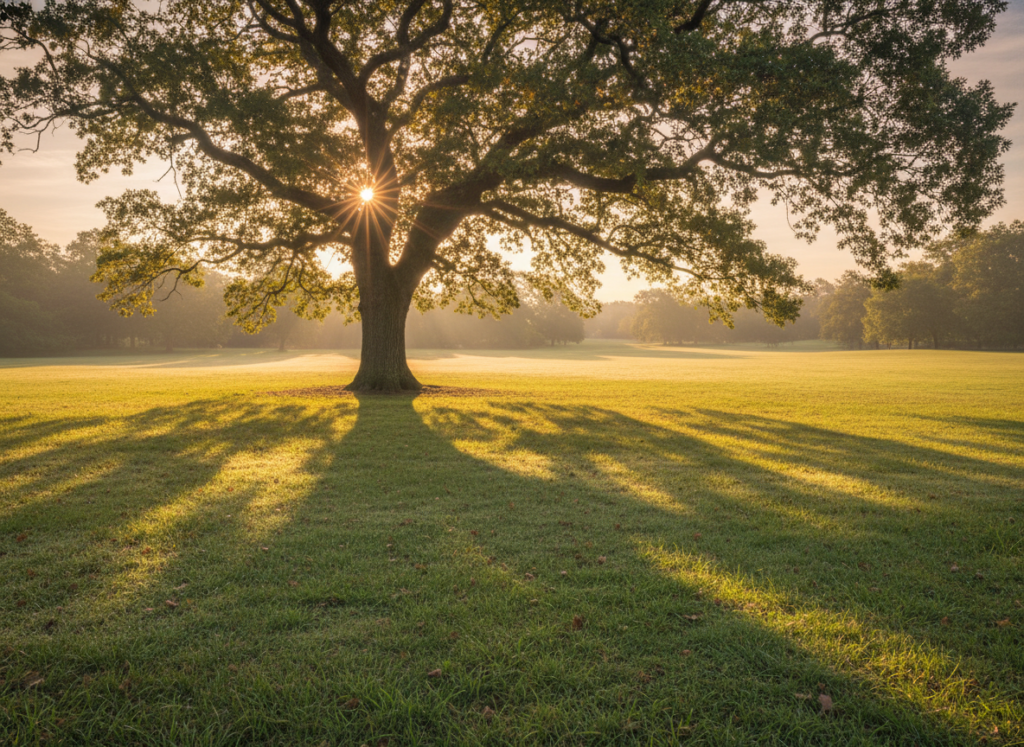
Experts have noticed that small green spaces near life may help people feel calmer and less tense. Seeing trees or hearing birds during routines, like waiting for a bus, can shape how the day feels.
Rooftop Green Spaces
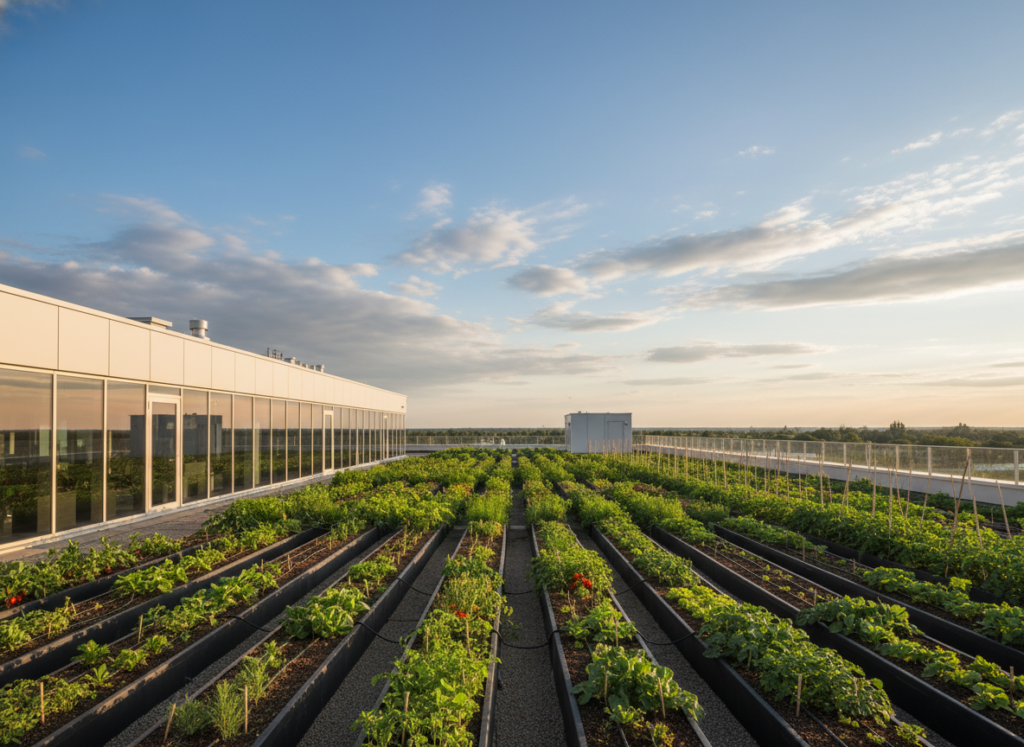
Even the tops of buildings are getting in on the action with gardens that grow vegetables or just provide a place to see the sky. These high up parks show that nature can exist even when there is no actual ground available for planting.
Natural Play Areas
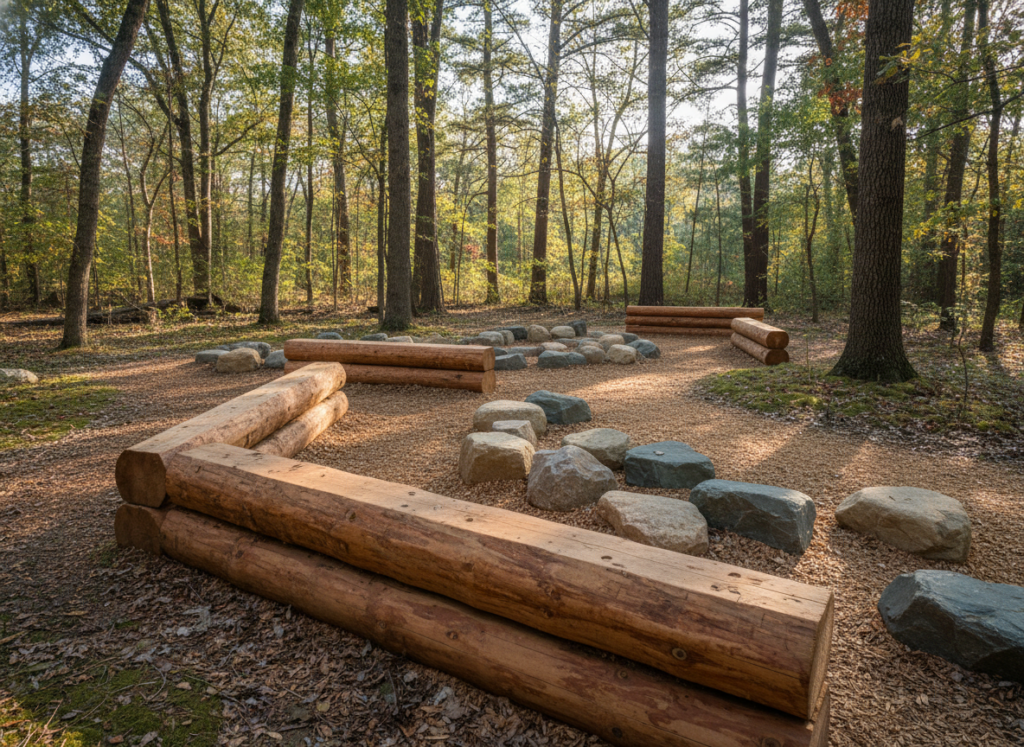
Many city playgrounds now use logs and rocks instead of only plastic equipment. Children touch real surfaces, play in dirt, and explore freely, which can help them feel at ease with nature around them today.
Community Garden Growth
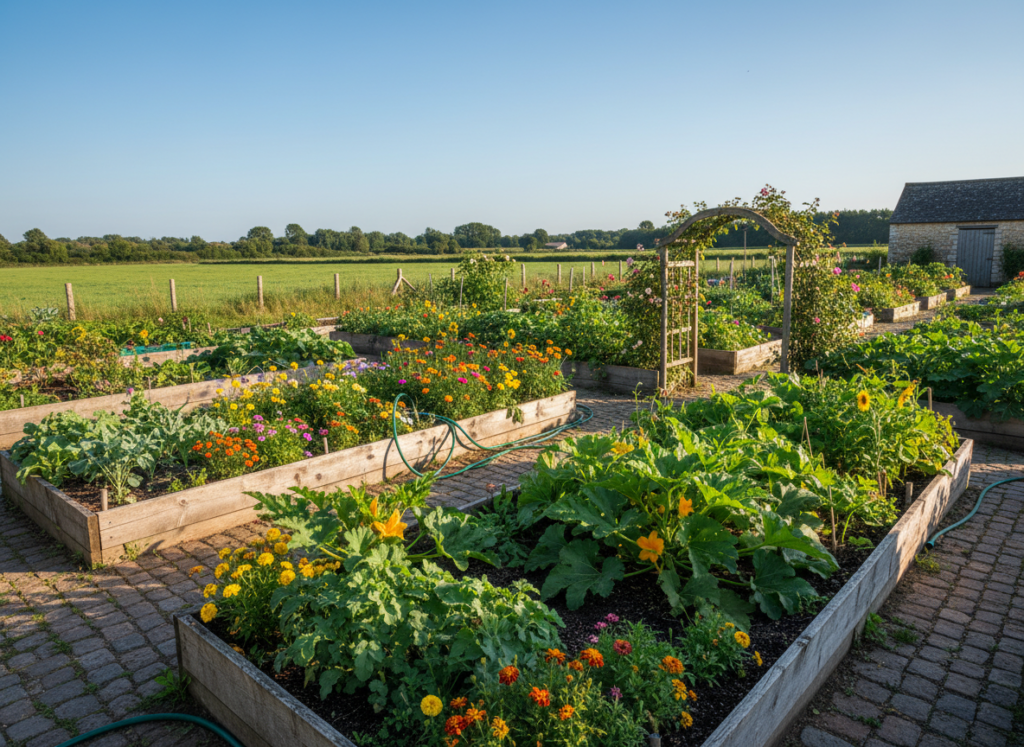
Many city parks now include small garden spaces where local residents grow vegetables or flowers together. These shared plots gently change parks into places for simple work, conversation, and quiet connection among neighbors nearby homes.
Related Posts