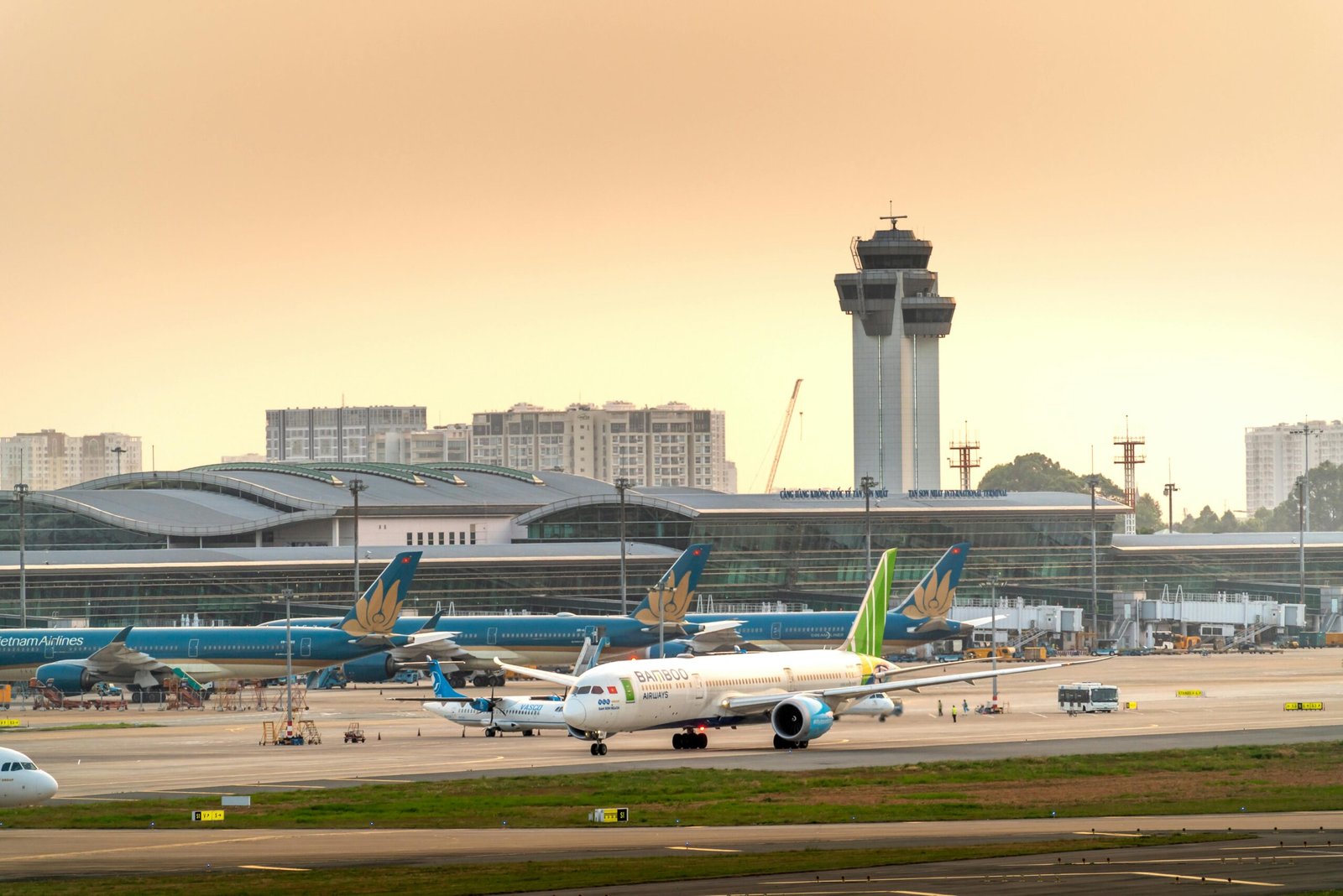
Every frequent flyer has a list. It lives in the back of their mind, quietly updated after every delayed connection, every security line that stretched into another time zone, every bag claim carousel that delivered luggage from a different flight to the wrong terminal. These are the fifteen airports that appear on more lists than any others – and the specific reasons why.
John F. Kennedy International Airport – New York, USA
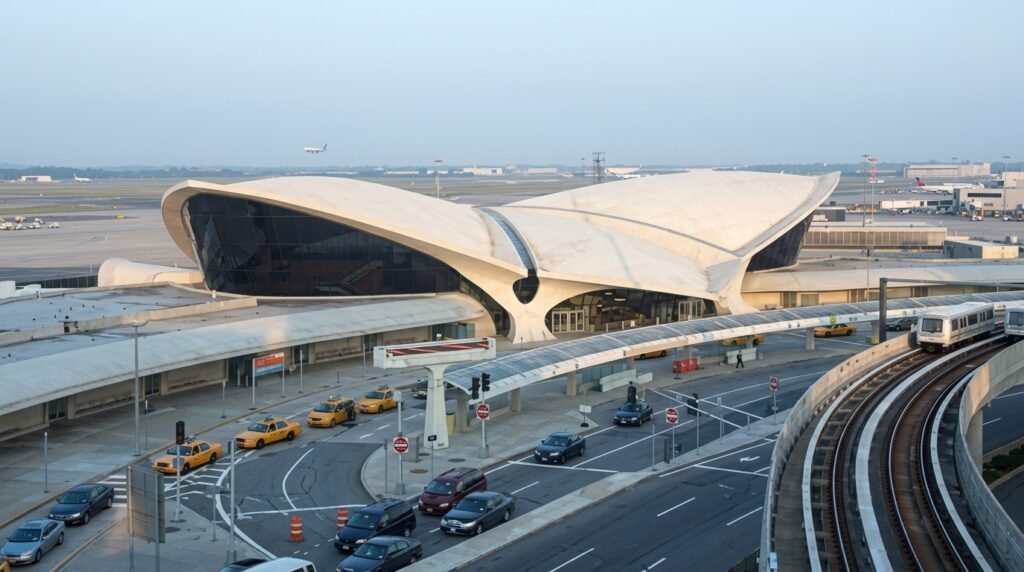
JFK greets travelers on behalf of New York City, but many report it feels indifferent. The terminals, built in different eras by various airlines without shared infrastructure, resemble several separate airports. Inter-terminal transfers rely on a confusing shuttle system. Delays are common, baggage handling is notoriously unreliable, and the peak taxi queue makes some question if New York is worth it.It usually was. The airport rarely was.
Los Angeles International Airport – Los Angeles, USA
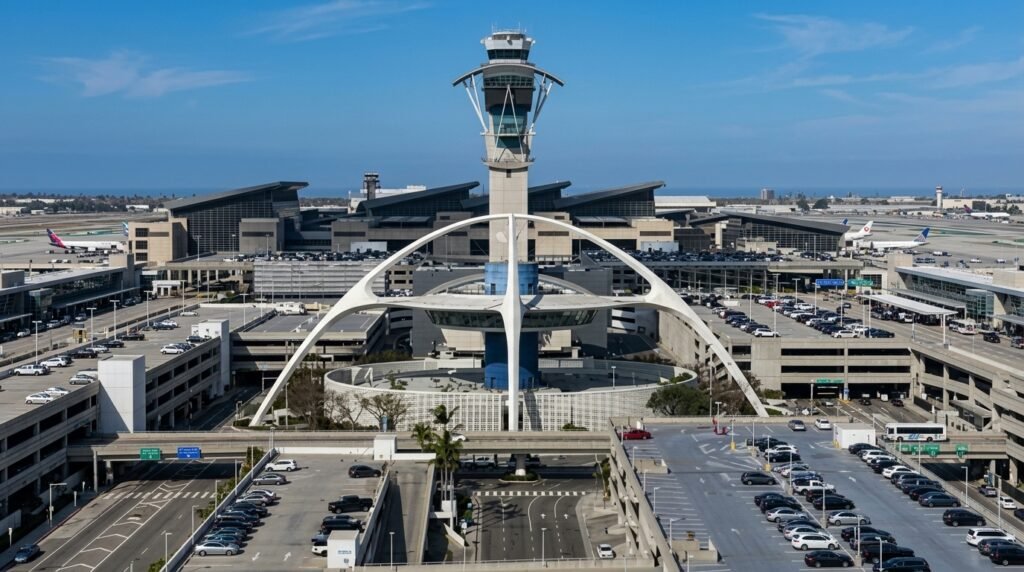
LAX is a masterclass in infrastructure that has been perpetually almost fixed for the better part of four decades. The horseshoe layout was designed for a traffic volume that Los Angeles exceeded sometime in the 1980s and has not looked back since. The terminals themselves range from recently renovated to genuinely time-worn. The saving grace is the food, which reflects the city around it better than almost any airport in the country. The rest is patience.
Charles de Gaulle Airport – Paris, France
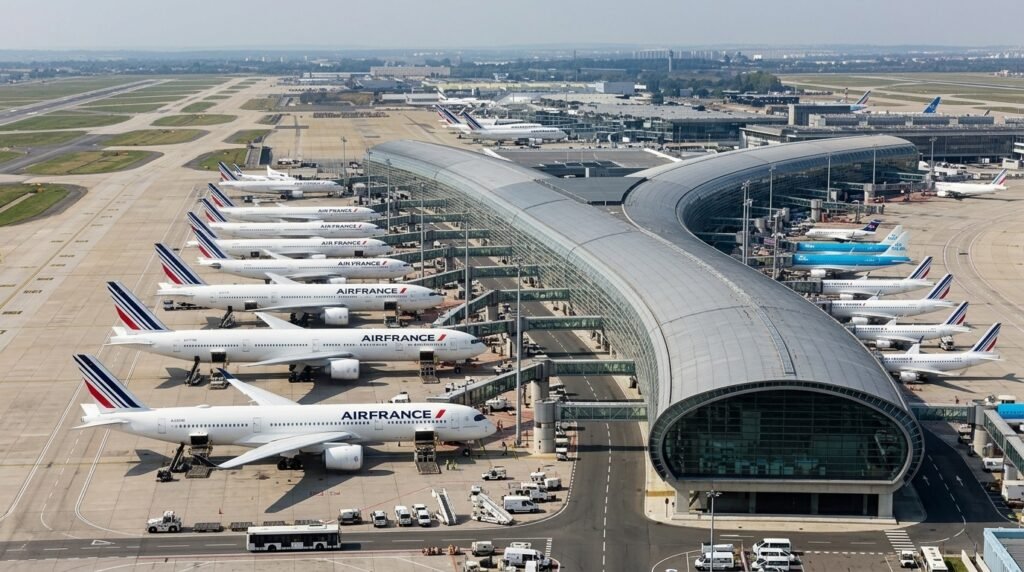
CDG is where architectural ambition and operational reality have been in open conflict for fifty years. Terminal 1, with its distinctive circular design and satellite pods, was visionary in 1974 and has been quietly exhausting every year since. The terminal layout requires passengers to make transfers that feel less like airport navigation and more like an orienteering exercise conducted entirely in a language they do not speak.
Newark Liberty International Airport – Newark, USA
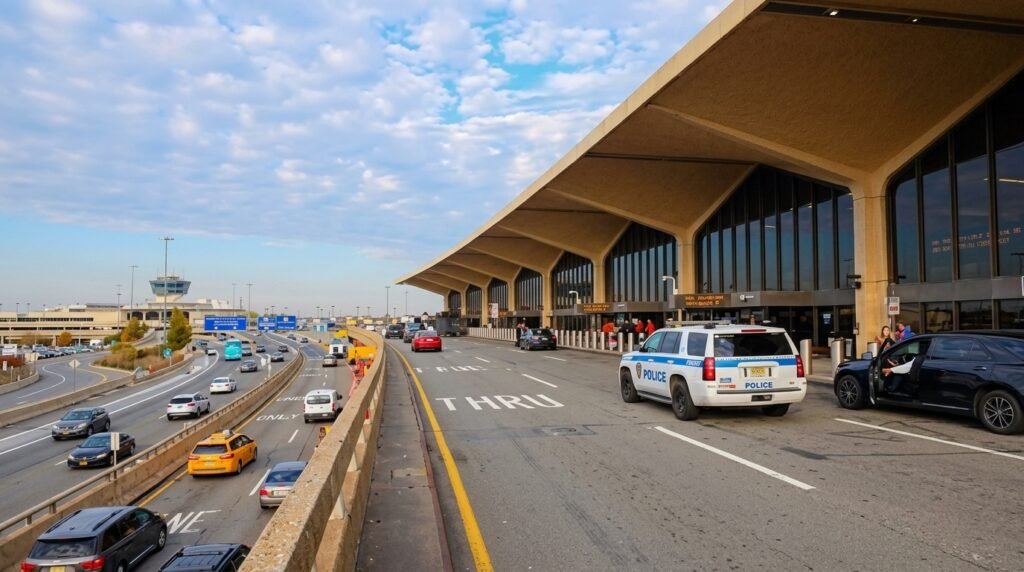
Newark occupies a peculiar position in the New York area airport ecosystem – nominally a relief valve for JFK and LaGuardia, in practice a destination that generates its own distinctive frustrations. Terminal C, which handles United’s hub operations, processes more passengers than its footprint was designed for. And the drive into Manhattan during peak hours redefines what the word “traffic” is capable of meaning.
Manila Ninoy Aquino International Airport – Manila, Philippines
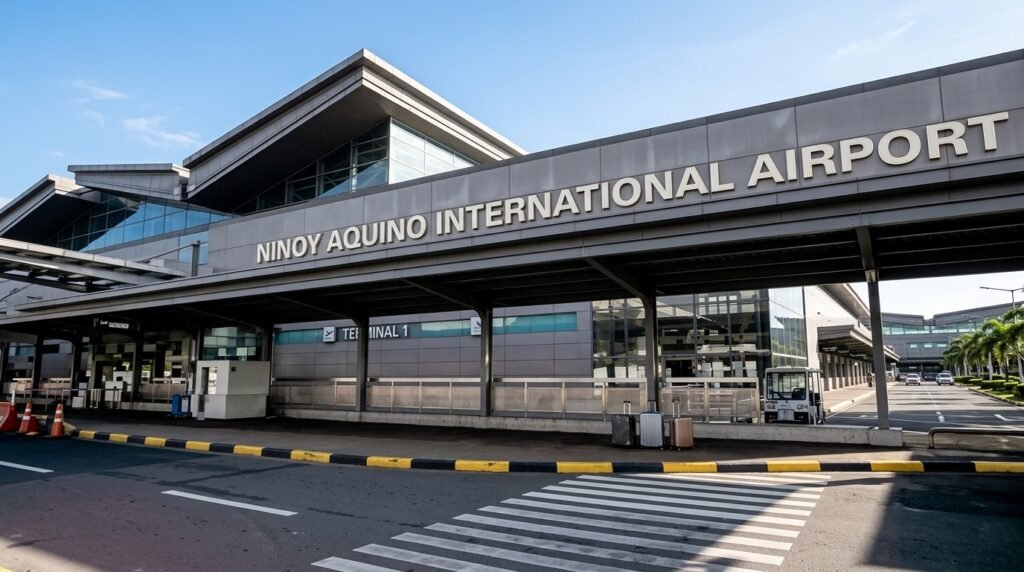
NAIA has appeared on worst airport lists so consistently and for so long that its presence here requires no editorial embellishment. The airport serves one of the most travel-hungry populations in Southeast Asia through an infrastructure that was insufficient a decade ago and has been playing catch-up ever since. The staff are frequently warm and helpful in the specific way of people who are doing their best within a system that has not given them adequate tools, which makes the whole experience more poignant than it would otherwise be.
Heathrow Airport – London, United Kingdom
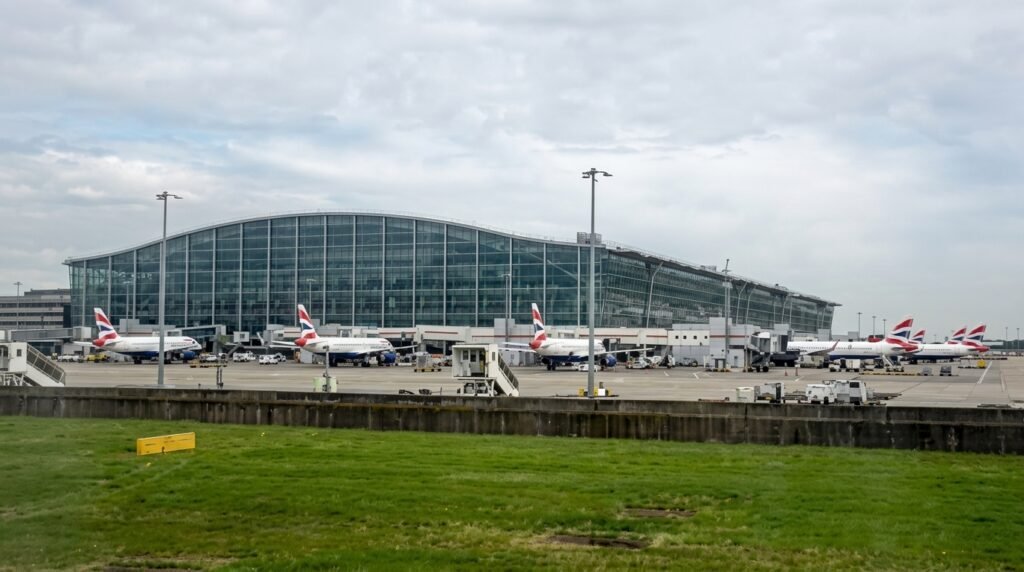
Heathrow is the busiest two-runway airport on earth, a distinction that explains a great deal about the traveler experience within it. The airport itself is not poorly designed – Terminal 5, which handles British Airways, is widely considered one of the better large terminal experiences in the world. Heathrow functions. It just functions at the absolute ceiling of its own tolerance, every single day.
Leonardo da Vinci International Airport – Rome, Italy
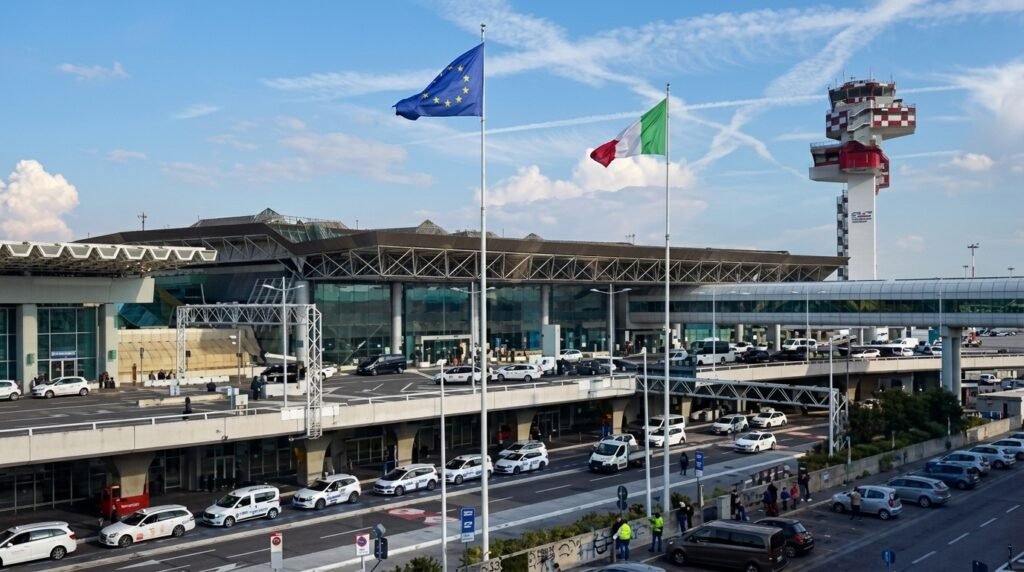
Fiumicino is not the worst airport in Europe. It is something more frustrating than that – an airport that is perfectly adequate in most respects and quietly maddening in a handful of specific ones. The train connection into Rome Termini is genuinely excellent and one of the better city rail links on the continent. And the security process, on a bad day, operates according to a philosophy of time that is distinctly its own.
O’Hare International Airport – Chicago, USA
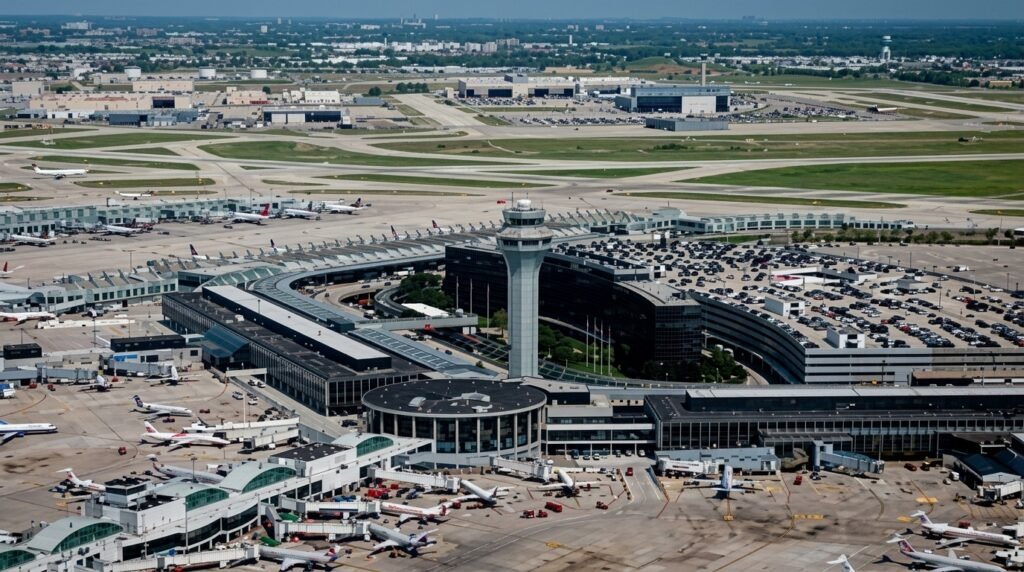
O’Hare is a hub built for the volume of a major American city and weather that actively works against it for a meaningful portion of the year. Winter at O’Hare is not a season – it is a rebuke. The food options have improved substantially in recent years, which is the kind of consolation that arrives most meaningfully when your connection has been pushed to tomorrow.
Adolfo Suárez Madrid–Barajas Airport – Madrid, Spain
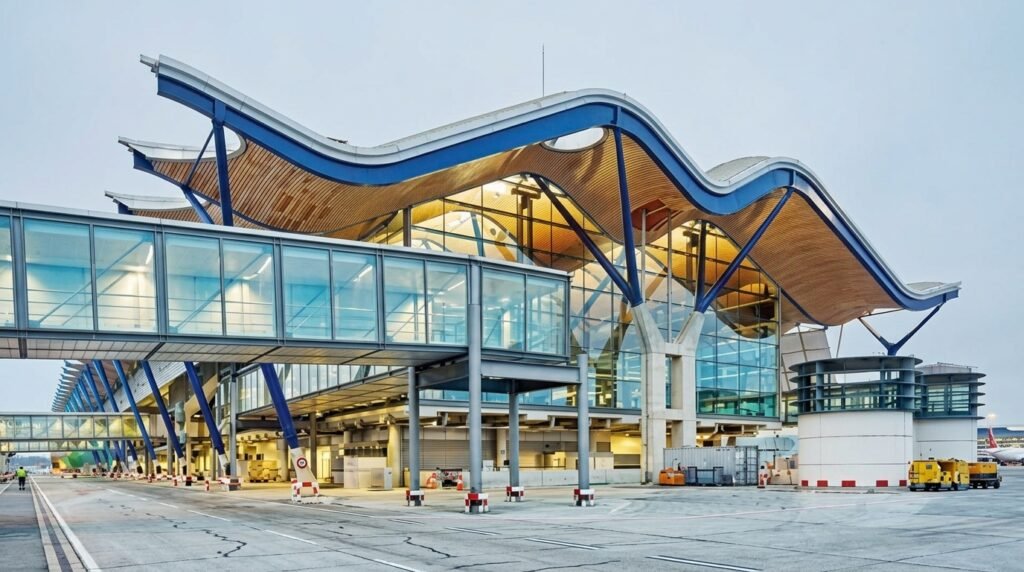
The Terminal 4 complex at Barajas, designed by Richard Rogers, is genuinely one of the most beautiful airport spaces in the world – a undulating bamboo ceiling and a color-coded wayfinding system that manages to be both elegant and functional. The airport handles Iberia’s hub operations for Latin America, which means international connections at peak season require patience, early arrival, and a philosophical acceptance that queues of the length you are about to encounter are simply part of the transaction.
Cairo International Airport – Cairo, Egypt
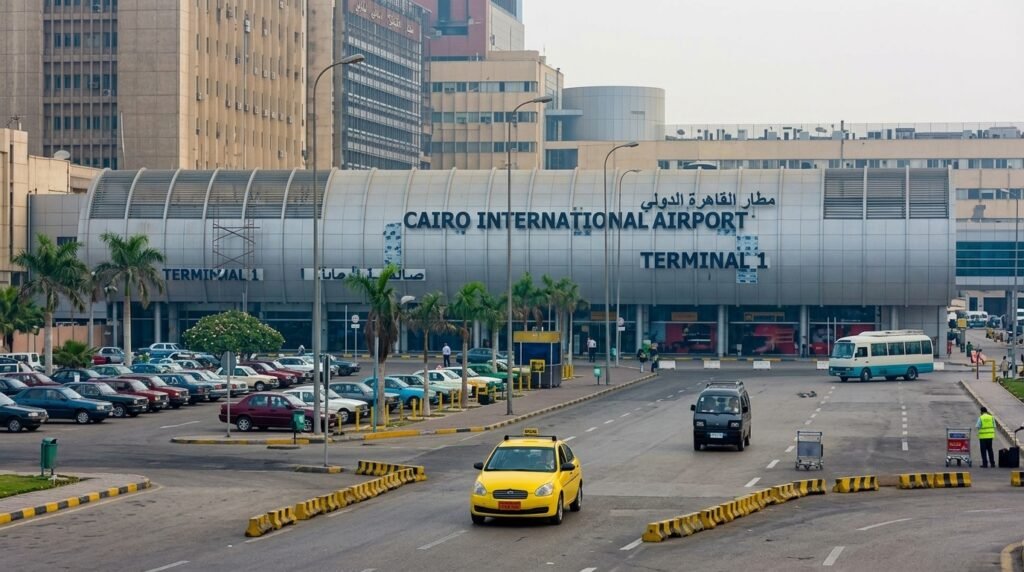
Cairo’s airport serves a city of twenty million people and a country that sits at one of the great geographic crossroads of human civilization. Security procedures can be opaque to international travelers unfamiliar with the local rhythm of how things work. The newer Terminal 2 represents a genuine improvement and signals what the airport is attempting to become. The gap between the attempt and the current experience remains wide enough to be felt on arrival and remembered on departure.
LaGuardia Airport – New York, USA
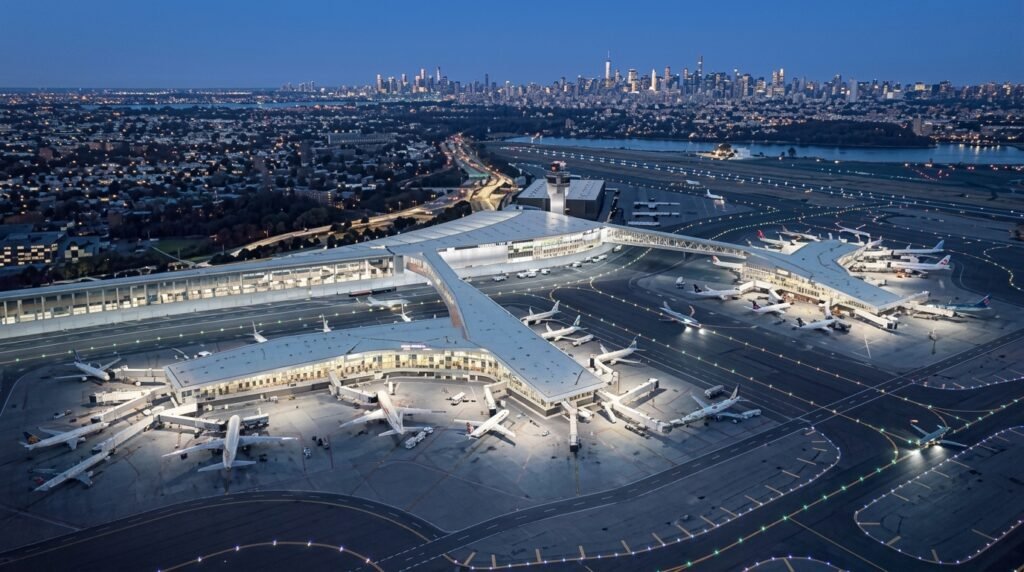
LaGuardia spent so many years as the most reliably criticized airport in America that a former Vice President of the United States compared arriving there to landing in a third-world country – a comment that was reductive about the third world and accurate about LaGuardia. Travelers familiar with the old LaGuardia experience a disorienting sense of loss in the new Terminal B. The construction zones that remain, however, continue to deliver the classic experience to anyone who seeks it.
Suvarnabhumi Airport – Bangkok, Thailand
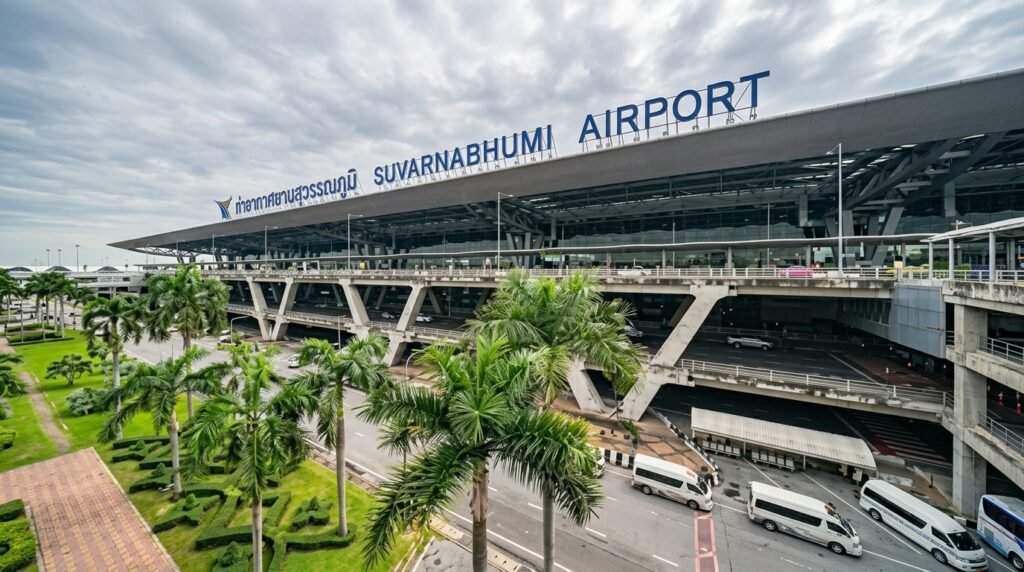
Bangkok’s main international airport is a spectacular building that has been popular beyond its intended capacity almost since the day it opened in 2006. The architecture is dramatic and the signage is clear, but the sheer volume of passengers moving through the facility on any given day creates pressure points that design alone cannot fully resolve.
Pearson International Airport – Toronto, Canada
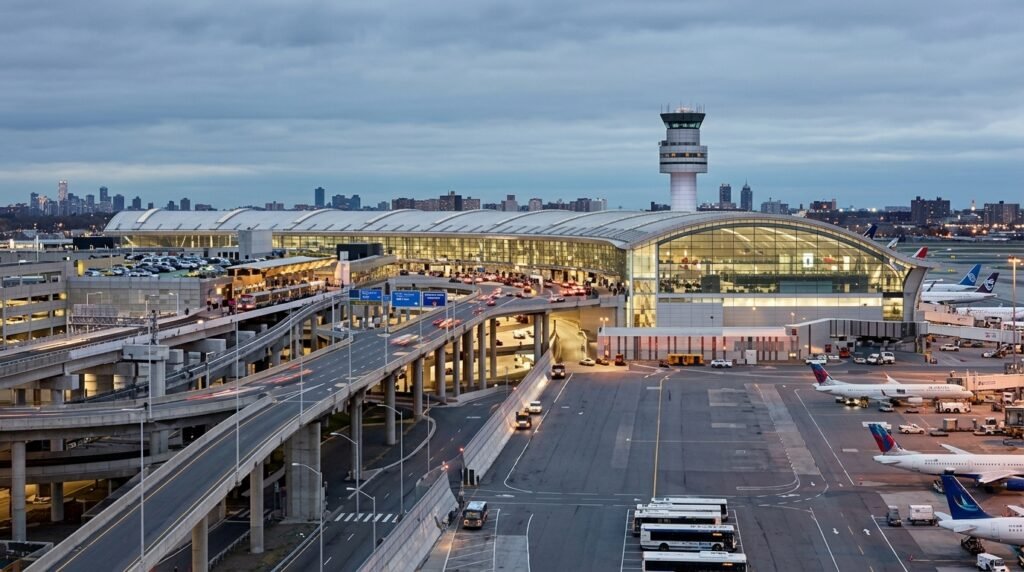
Toronto Pearson handles more international passengers than any other airport in Canada and has a talent for making that volume feel present at every moment of the traveler experience. The terminal connections require either a long walk or an inter-terminal train that operates on a frequency that makes late-night connections genuinely stressful. Food and retail have improved, signage is adequate, and staff are pleasantly Canadian, making you feel guilty for any complaints.
Indira Gandhi International Airport – New Delhi, India
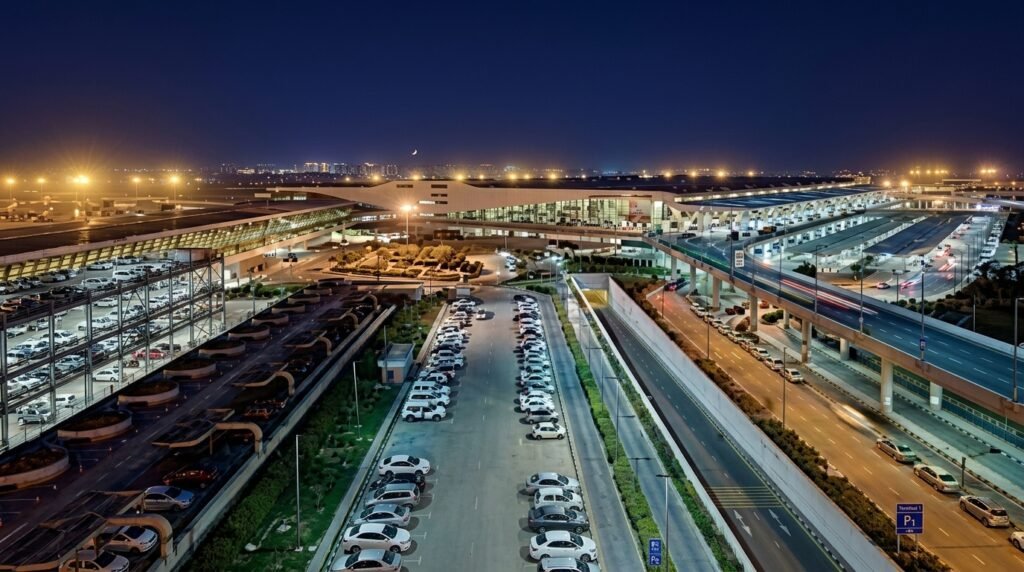
Terminal 3 at IGI is an impressive piece of infrastructure – large, relatively modern, and functional in the way that large Indian public works projects can be when the investment is serious and the political will is sustained. Delhi as a city rewards the traveler who persists through the airport. The airport itself is best approached with the understanding that it is a feature of the journey rather than a service provided to make it easier.
Miami International Airport – Miami, USA
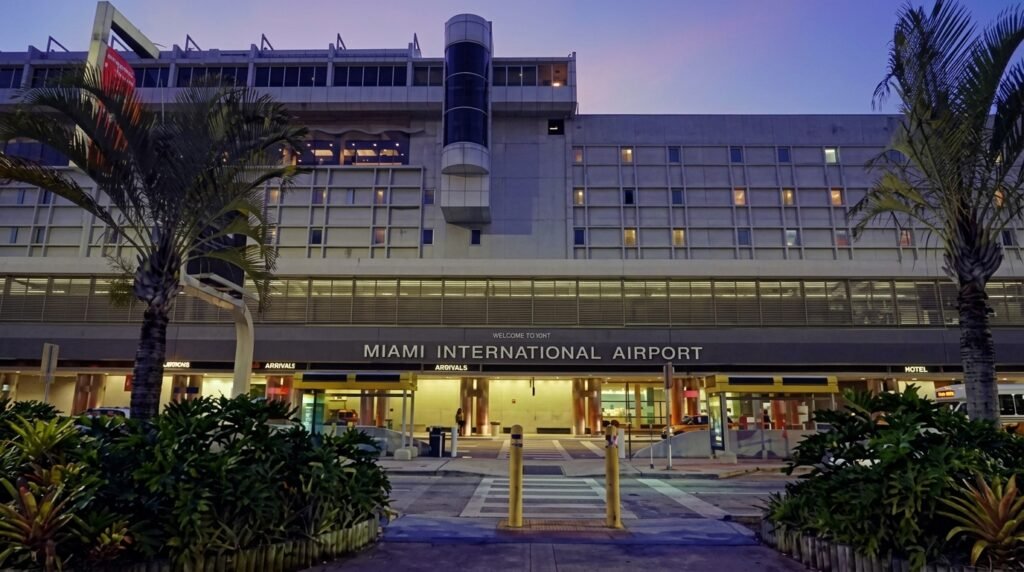
Miami International is the primary gateway to Latin America for the United States and processes that extraordinary mandate through a physical plant that has been under some form of construction or renovation for so long that the orange cones have become load-bearing elements of the aesthetic. Miami the city is glamorous, chaotic, and unlike anywhere else in America. The airport is glamorous and chaotic and unlike anywhere you would choose to spend additional time voluntarily.
Related Posts