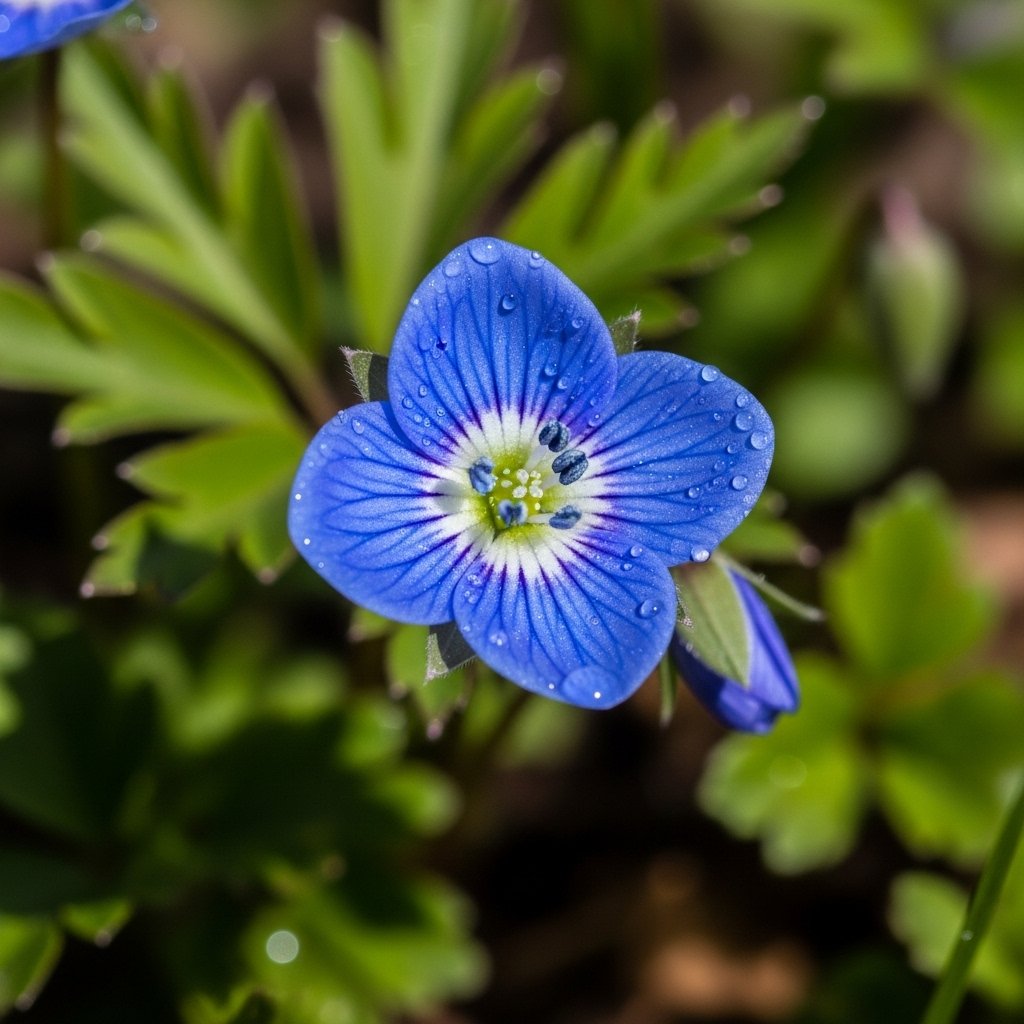
Nature has plenty of yellow and green but blue is a whole different story for most growing things. Very few plants across the entire world manage to grow blue parts because the physics behind it are pretty tricky. It is not just about having a certain look but about how the plant is built. This makes blue flowers a very unusual find for anyone.
The Secret Of Pigments
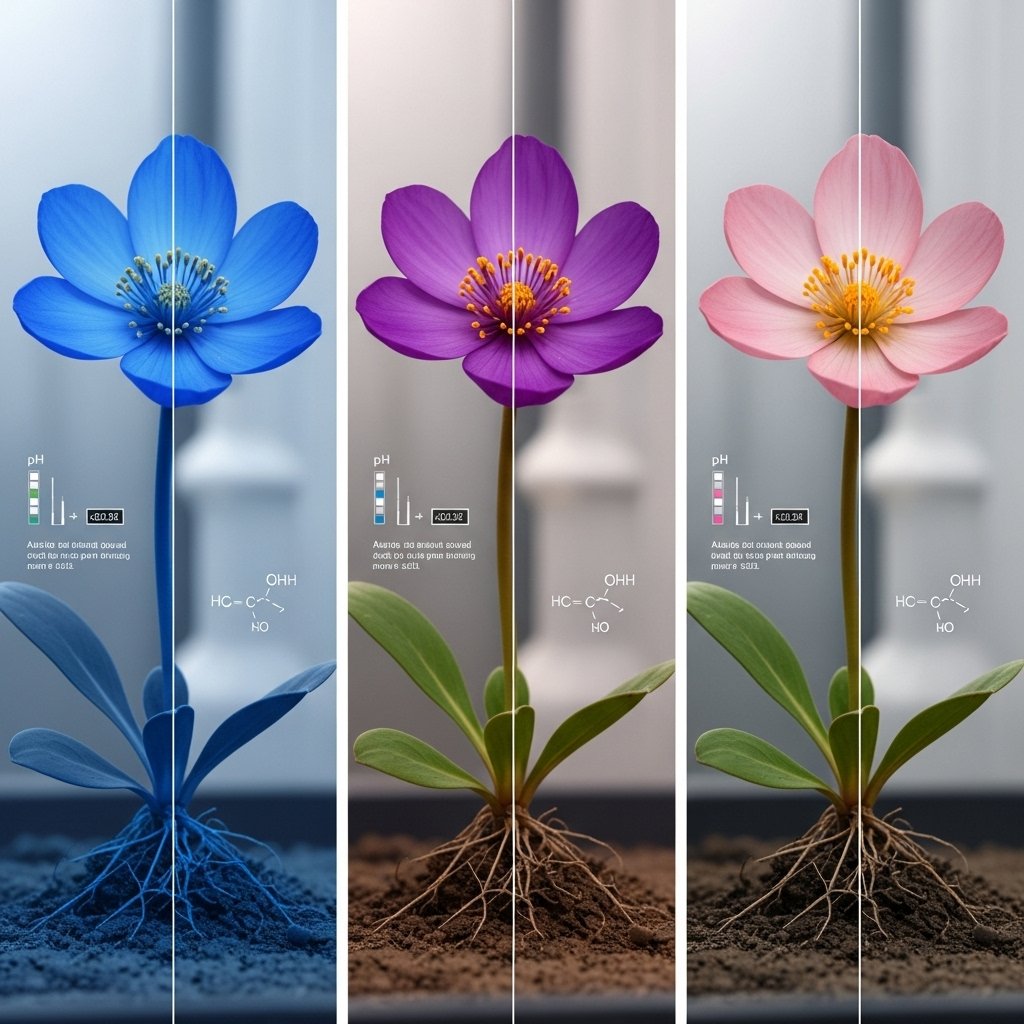
Plants do not actually have a true blue pigment like they have for green or red colors. Instead they have to perform a sort of chemical magic trick using anthocyanins to reflect blue light while absorbing everything else in the spectrum.
Tricky Chemistry Involved
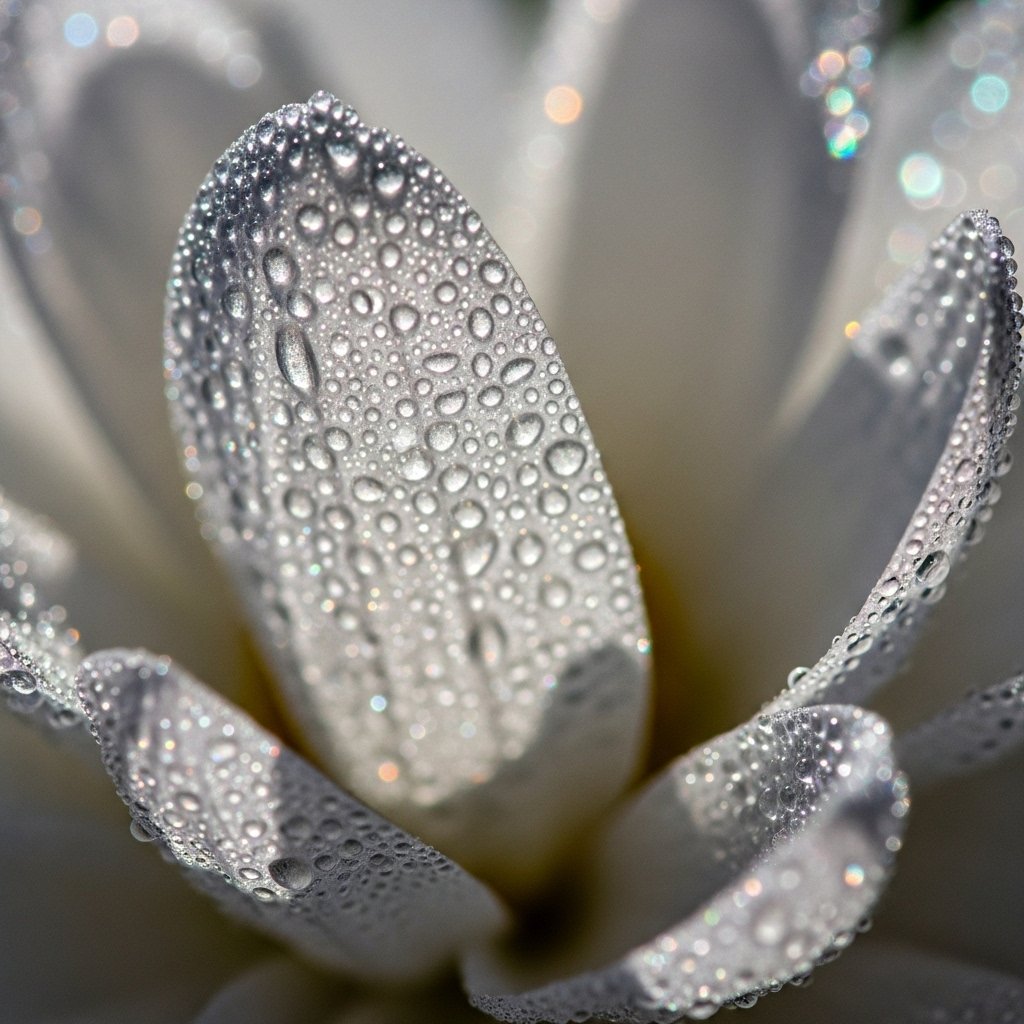
For a plant to look blue it often needs to mix its natural pigments with certain minerals or change its acidity levels. This process is super sensitive and if the soil balance is off even a little bit the flower might just end up looking purple or pink.
The Light Reflection Game
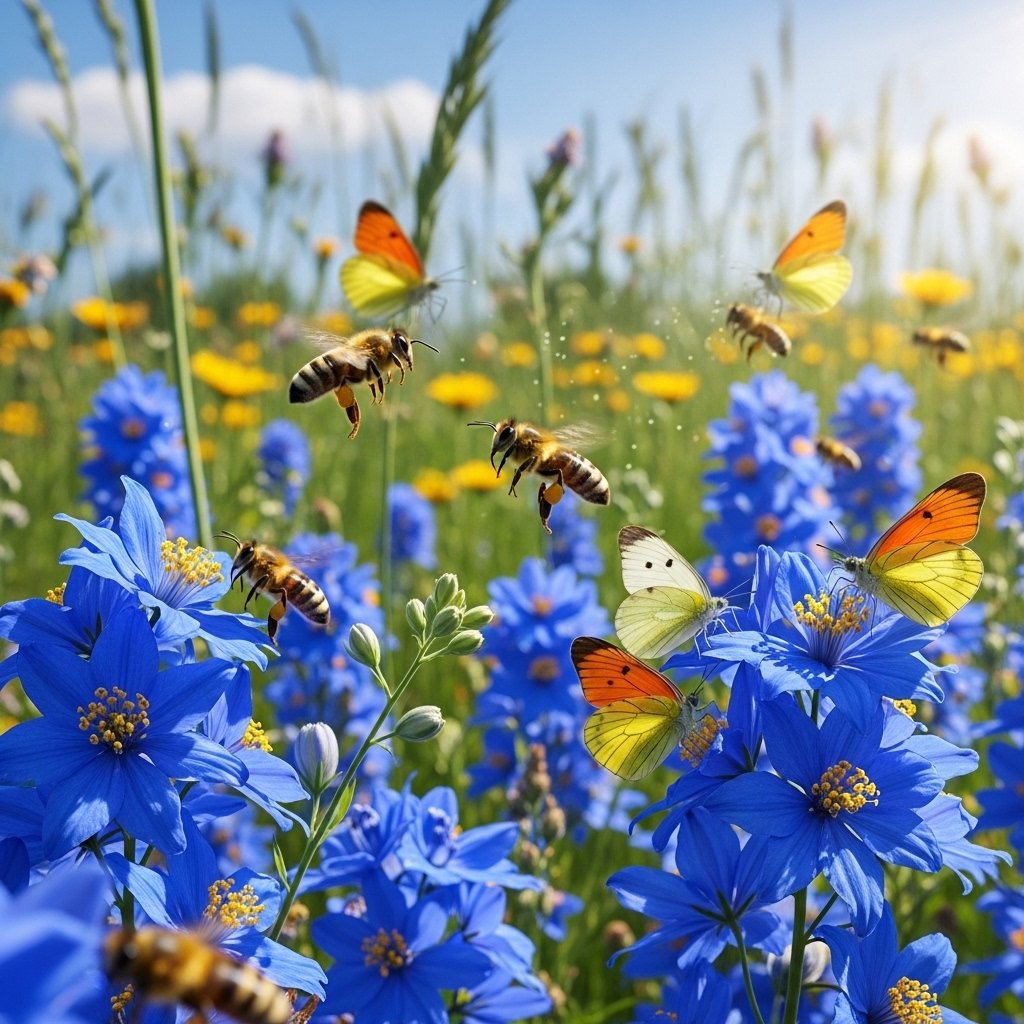
Plants create the appearance of blue by reflecting high energy light waves off the surface of their petals. It is more about how the light bounces back to our eyes than a liquid dye inside the plant cells which makes it a very rare occurrence in nature.
Evolution Plays A Part
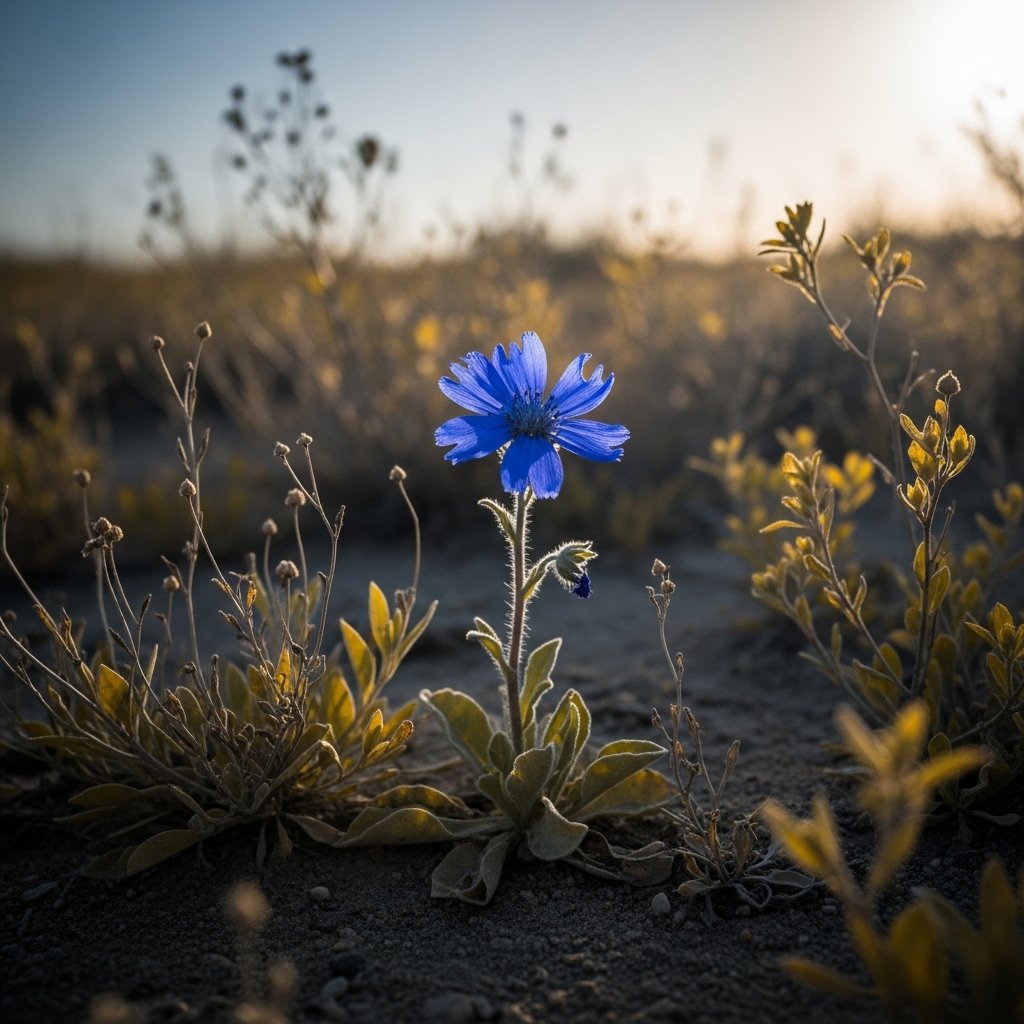
Most bees and butterflies are naturally attracted to blue because it stands out so well against green leaves. Because it is so hard to produce plants only put in the work to look blue when they really need to grab a pollinator’s attention quickly.
Energy Costs Are High
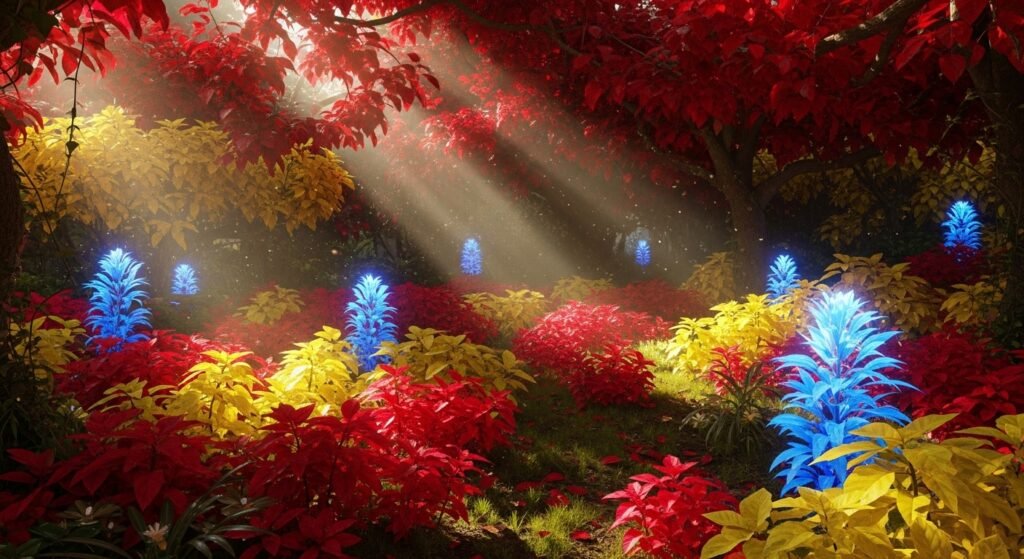
Producing the right chemical mix to appear blue takes a lot of extra energy that many plants just cannot afford to waste. Most species find it much easier and cheaper to stay in the red or yellow family to survive and reproduce.
The Mystery Of Blue Leaves
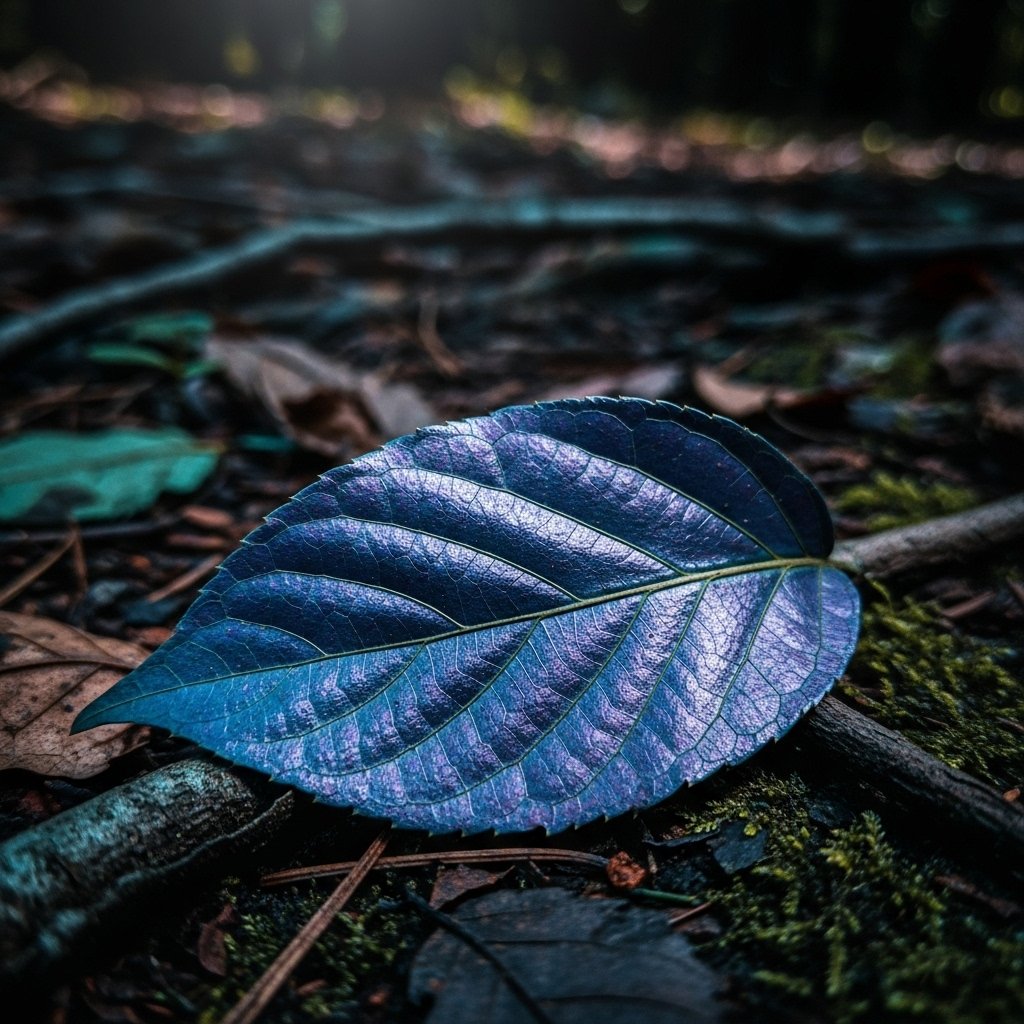
While blue flowers are rare finding a blue leaf is almost like finding a needle in a haystack. Most leaves need to be green because of chlorophyll so a blue leaf is usually the result of a special wax coating that reflects light differently.
Not True Blue
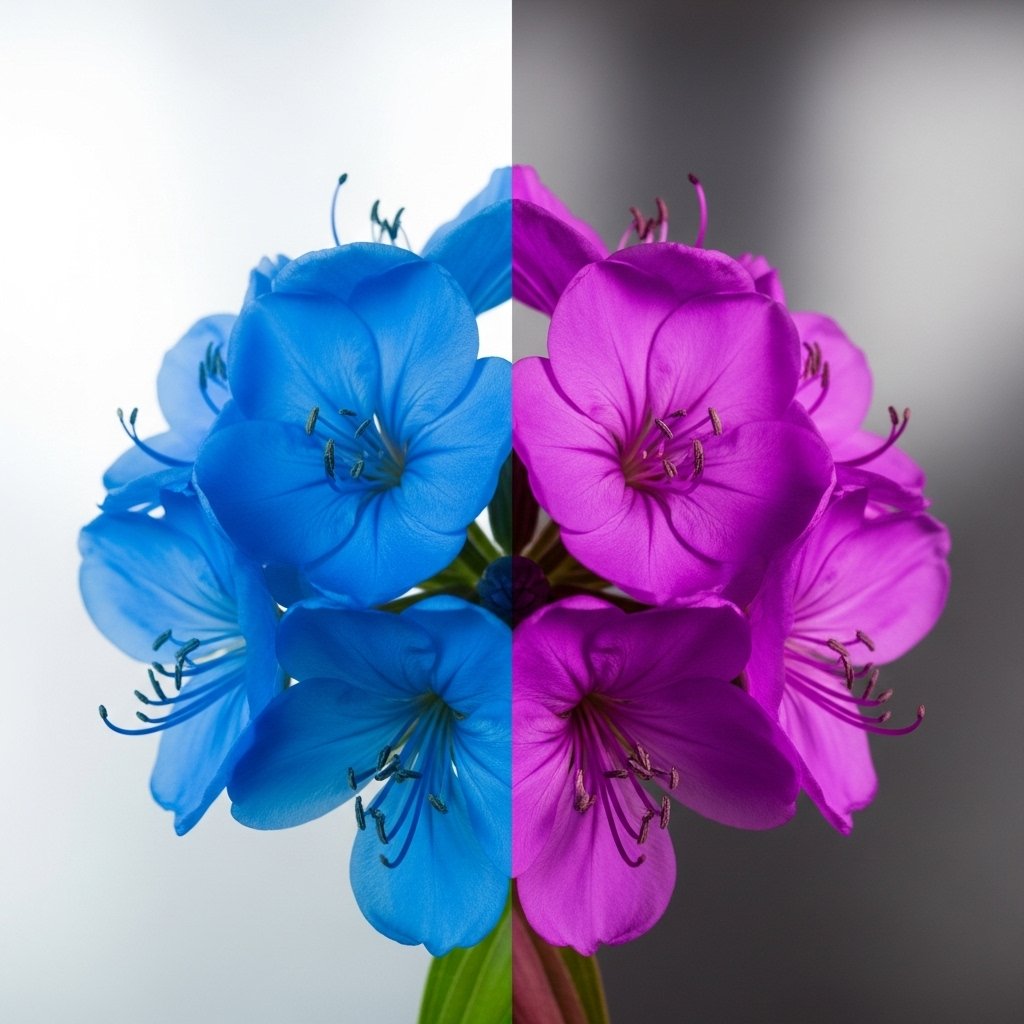
If you look closely at many blue plants you will notice they are actually a deep shade of violet or purple. True blue is a very specific wavelength and nature often takes a shortcut by giving us something close enough to fool our eyes from a distance.
Rare Soil Conditions
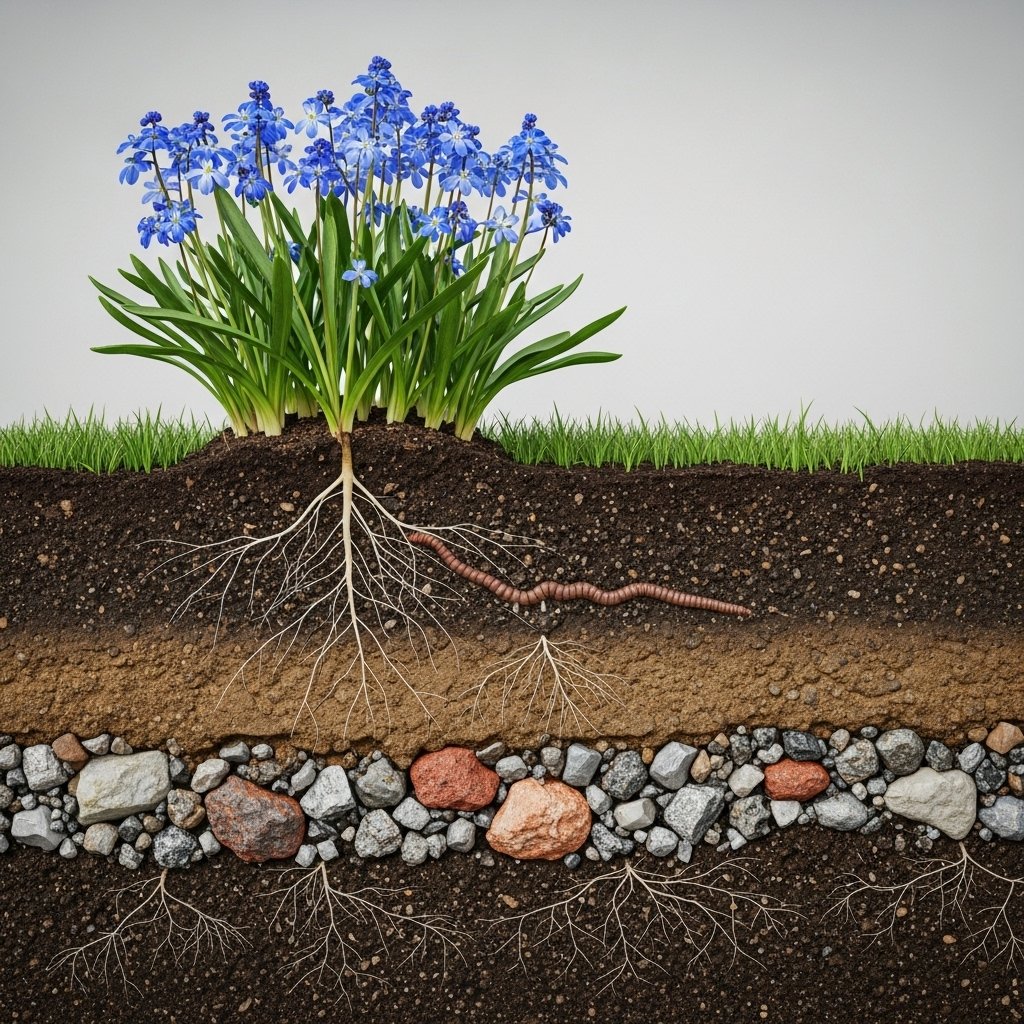
Some plants only turn blue if the dirt has special metals like aluminum in it. If the soil changes the flower color might change too. This happens a lot when people move plants to a new spot. The ground needs to be just right for blue.
Survival Of The Brightest
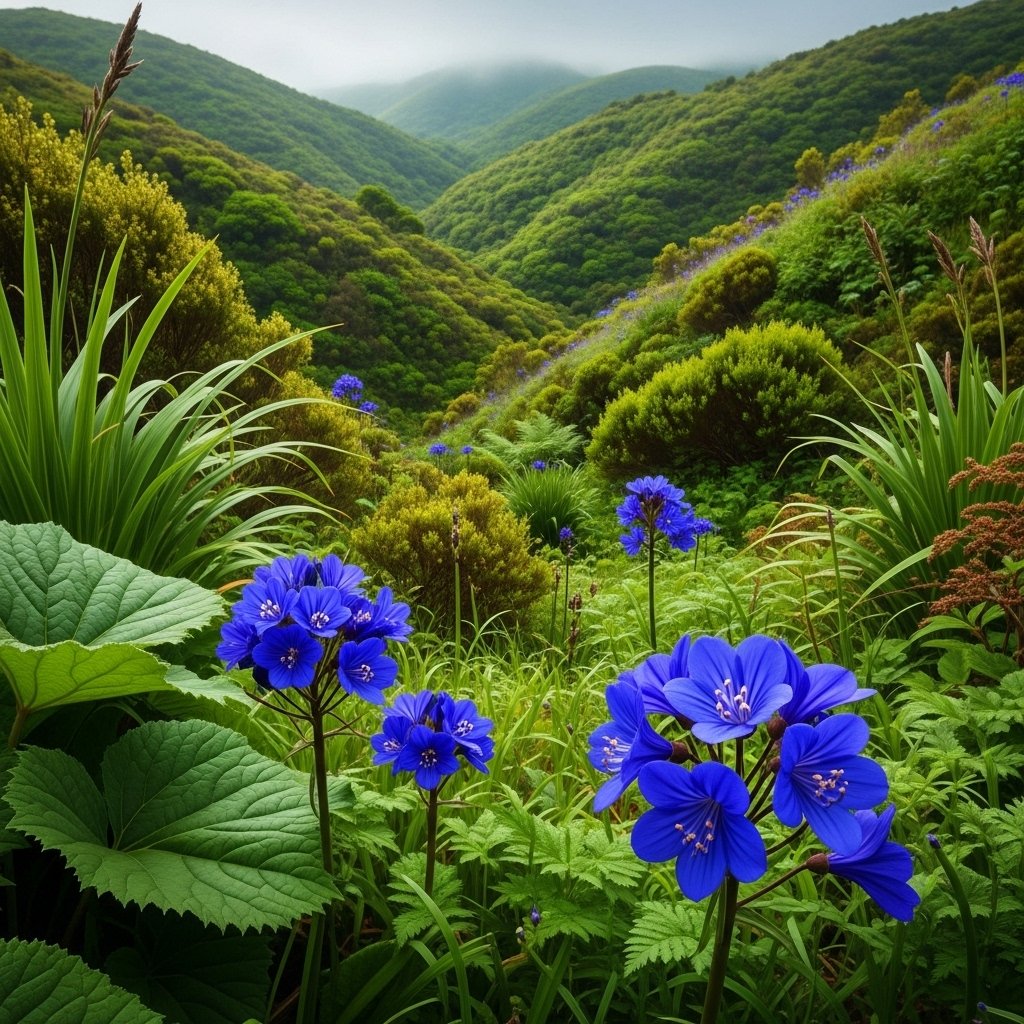
In some environments being blue is a huge advantage because it is such a standout color in a sea of green. Plants that managed to solve the blue puzzle often end up being the most popular ones in the garden because we find them so unique.
Engineering For The Garden
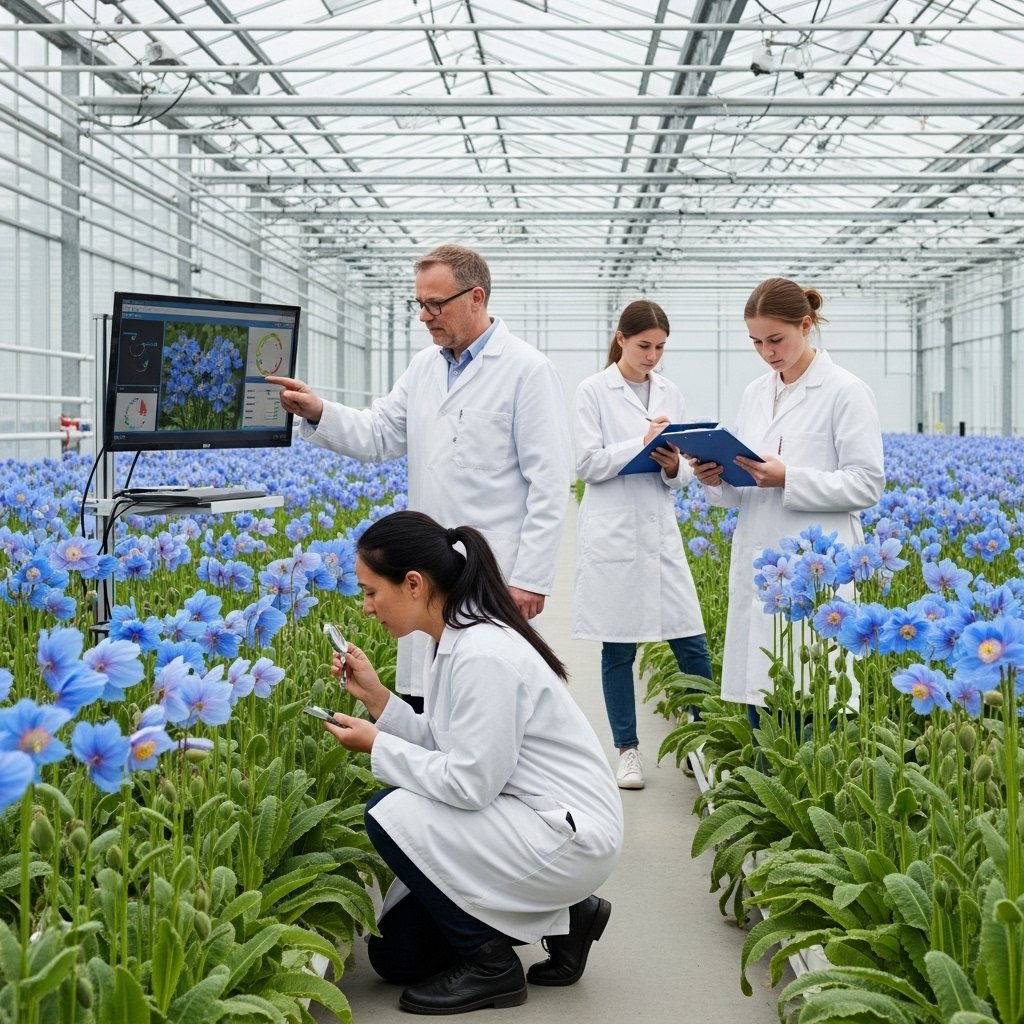
Since blue is so rare in the wild people have spent years trying to breed new types of blue roses and carnations. It is a tough job because you are basically trying to force a plant to do something that goes against its natural chemical makeup.
Related Posts