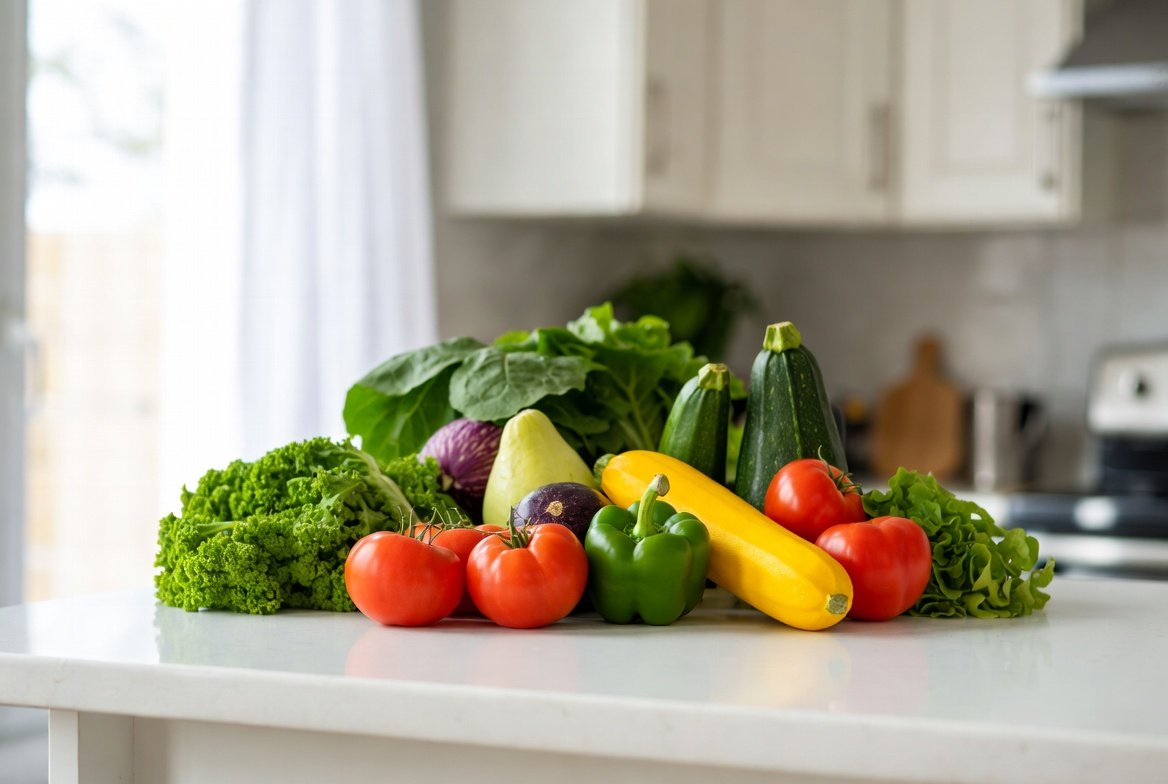
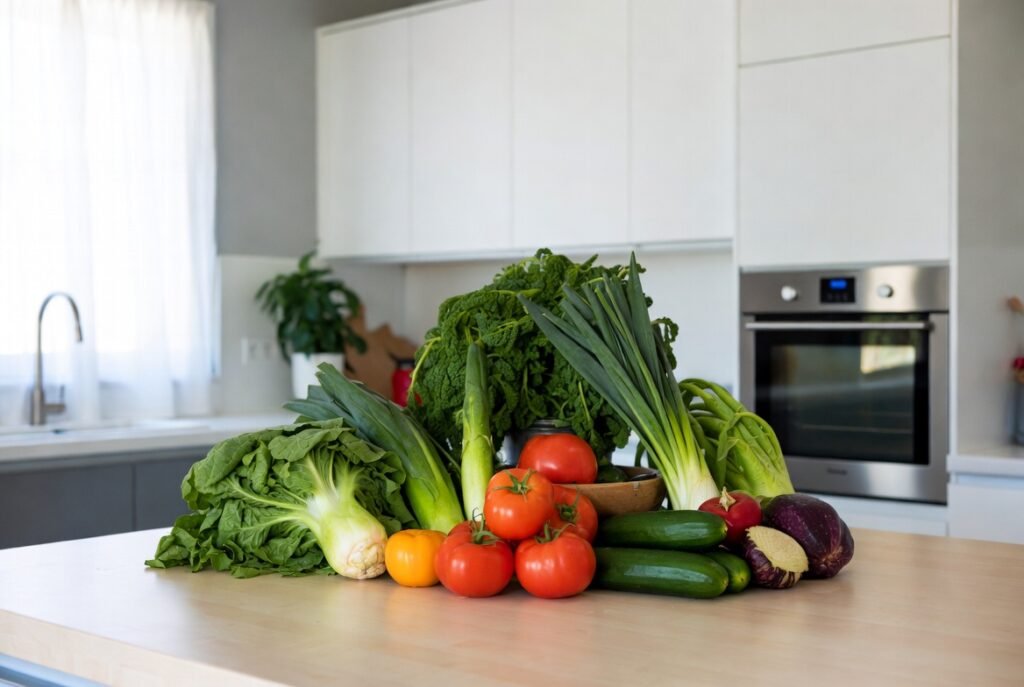
Vegetables can be considered one of the most nutrient-rich foods on our diet that provides not only vitamins and minerals, fiber, and protective plant compounds, but also contributes to our overall health. The manner in which vegetables are cooked however can greatly influence the amount of nutritional value that is left when it is finally put on your table. Exposure to heat, water, air, as well as cooking time have significant roles in the retention of nutrients. Certain ways enable the easy digestion of vegetables whereas others can leave you without nutrients that are precious to you. Knowing what cooking is most likely to decrease the nutritional value of food will assist you to make well-informed decisions in the kitchen. You can save more nutrients and still cook tasty well-cooked vegetables in your daily meals without any complicated changes.
Too Much Water in Too Much Water
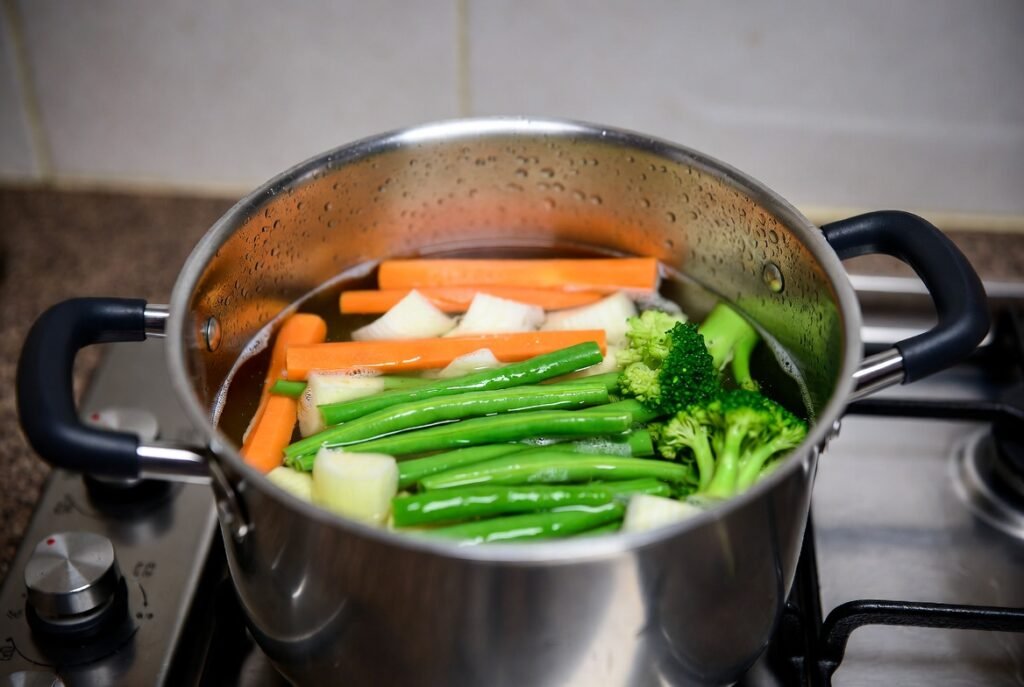
When a lot of water is used to boil the vegetables, most of the nutrients are lost particularly the water soluble vitamins such as vitamin C and various B vitamins. These nutrients are dissolved in the cooking water which is usually thrown away. The longer the vegetables are boiled, the higher the amount of nutrients lost.
Cooking for Too Long
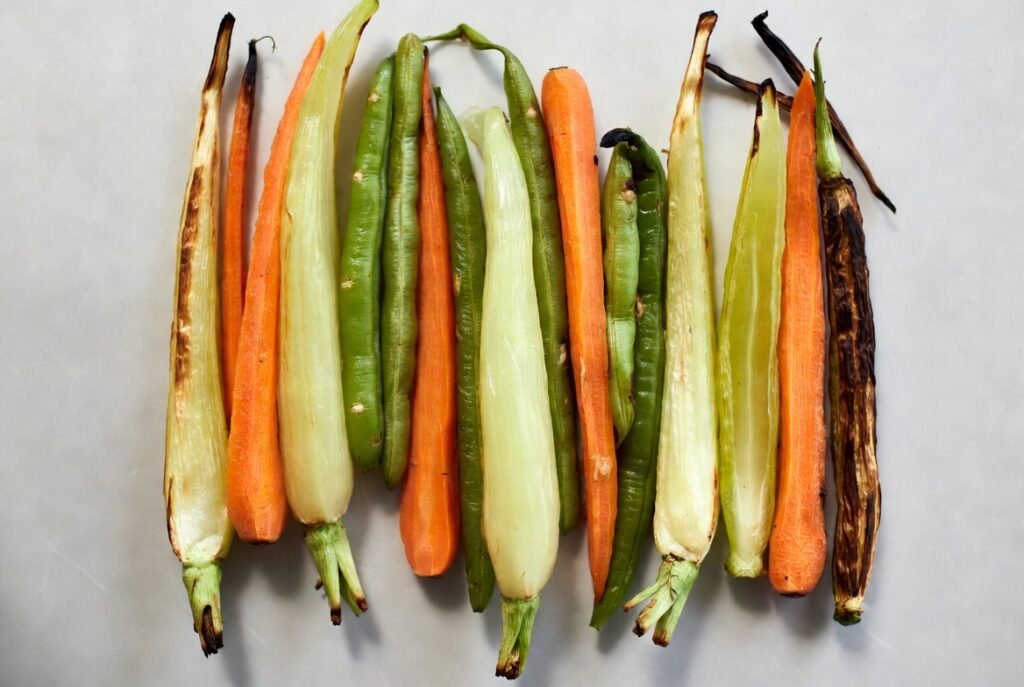
Prolonged cooking duration destroys the weak vitamins and antioxidants present in vegetables. The long exposure to heat lowers the nutritional value and natural color of the foods and usually leaves the vegetables pale and mushy. Reduction in cooking time helps to preserve texture, flavors, and nutrients.
Peeling Too Deeply
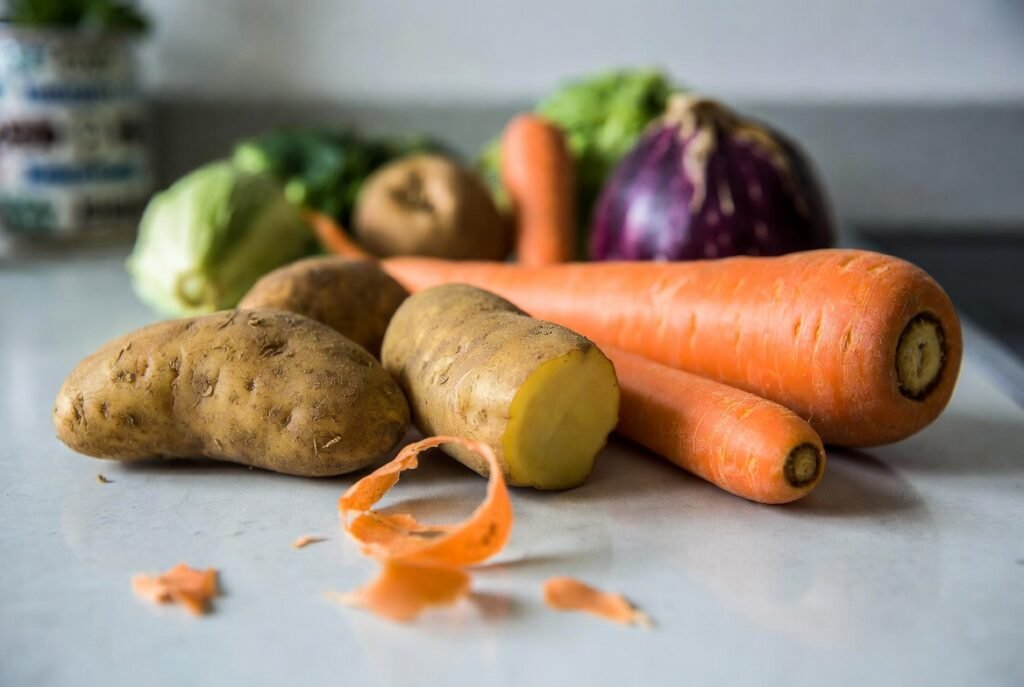
Most of the vitamins, minerals and antioxidants are concentrated in or directly under the vegetable skins. Peeling of thick skin eliminates fibers and other healthy elements that make people healthy. In most vegetables, consumption of the skin when it is safe and clean offers an additional nutritional value and texture to the vegetables.
Reheating Multiple Times
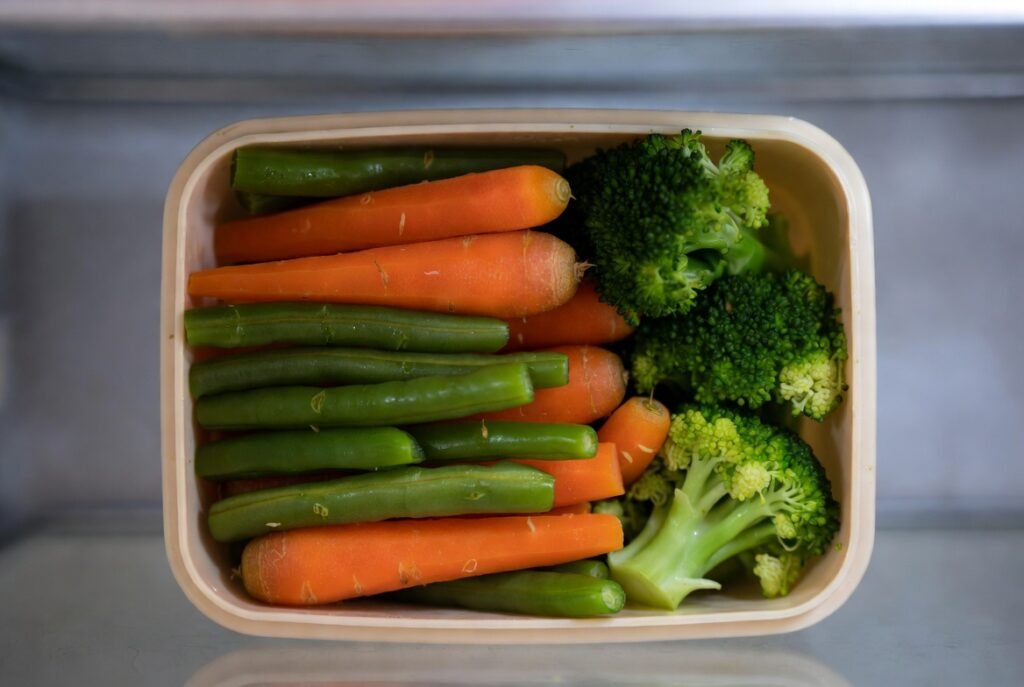
Whenever vegetables are re-heated, they lose more of their nutrients, particularly the vitamins that are sensitive to heat. The constant warming also impacts on texture and flavor and makes vegetables less attractive. Preparing the quantity of food you require and warming up in a low heat afterwards assists in preventing spoilage of nutrients.
Using Excessive Heat
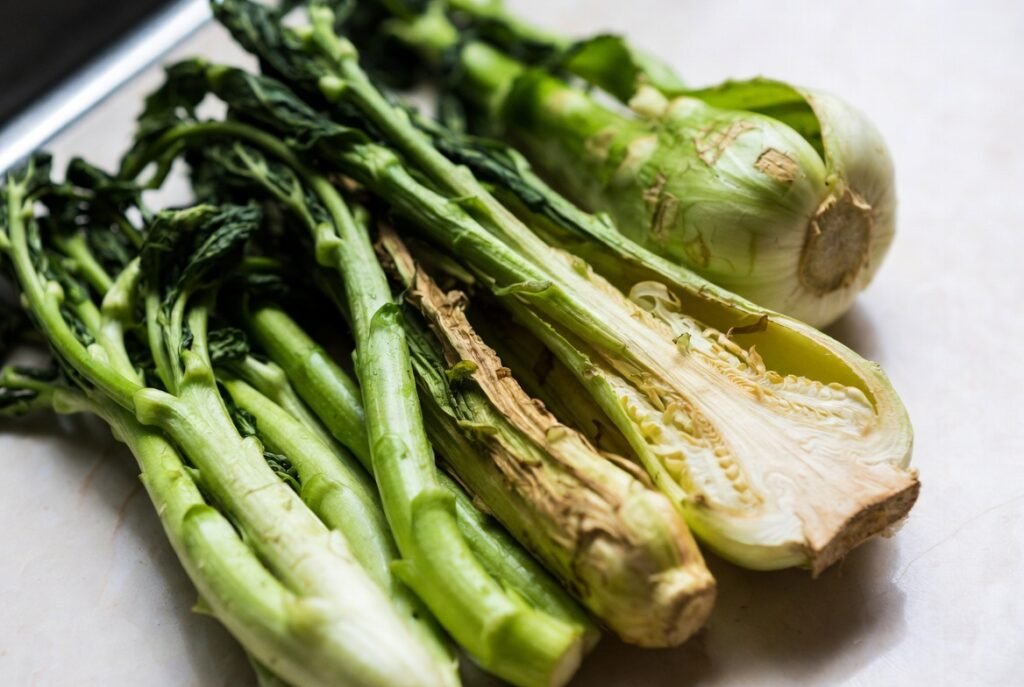
Extremely high temperatures may destroy vitamins and sensitive plant compounds. Though certain cooking enhances the availability of nutrients, high heat over prolonged periods of time usually kills helpful components. Vegetable cooking Sauteing or steaming rapidly enables the vegetables to cook without subjecting them to harmful heat conditions which diminish their nutritional value as they cook.
Disposing Cooking Liquid
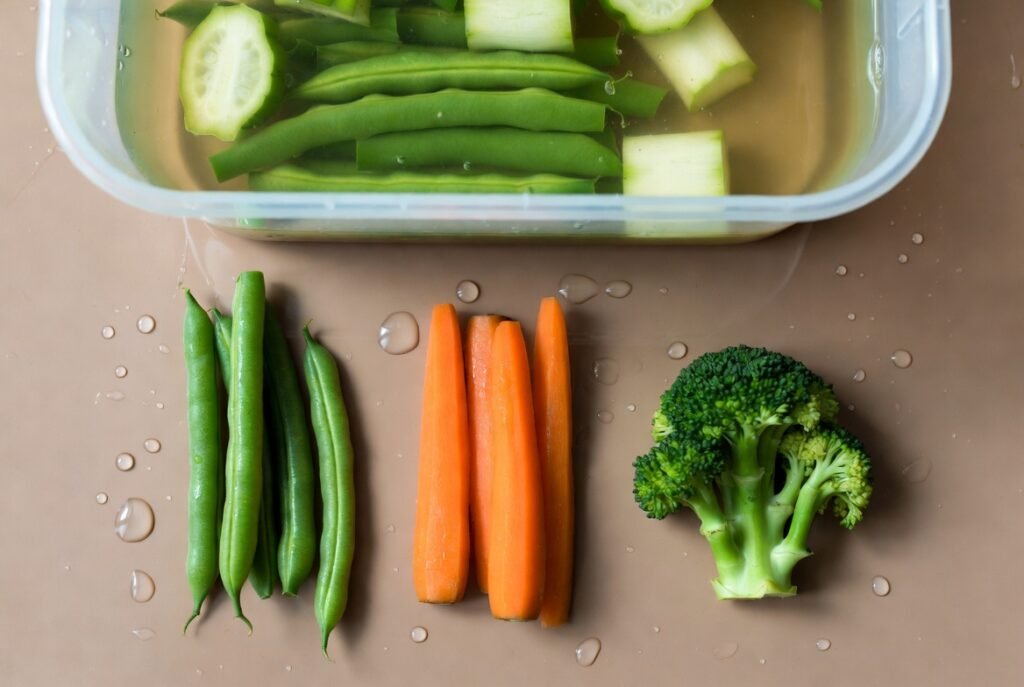
During boiling of the vegetables, precious nutrients are washed into the water. Finding a way to dispose of that liquid is the loss of dissolved vitamins and minerals. Soups, sauces, or gravies can be cooked with water used in cooking and this will retain those nutrients in your food. This can be a very easy way of enhancing the overall nutritional content of your meals.
Slicing Vegetables excessively small
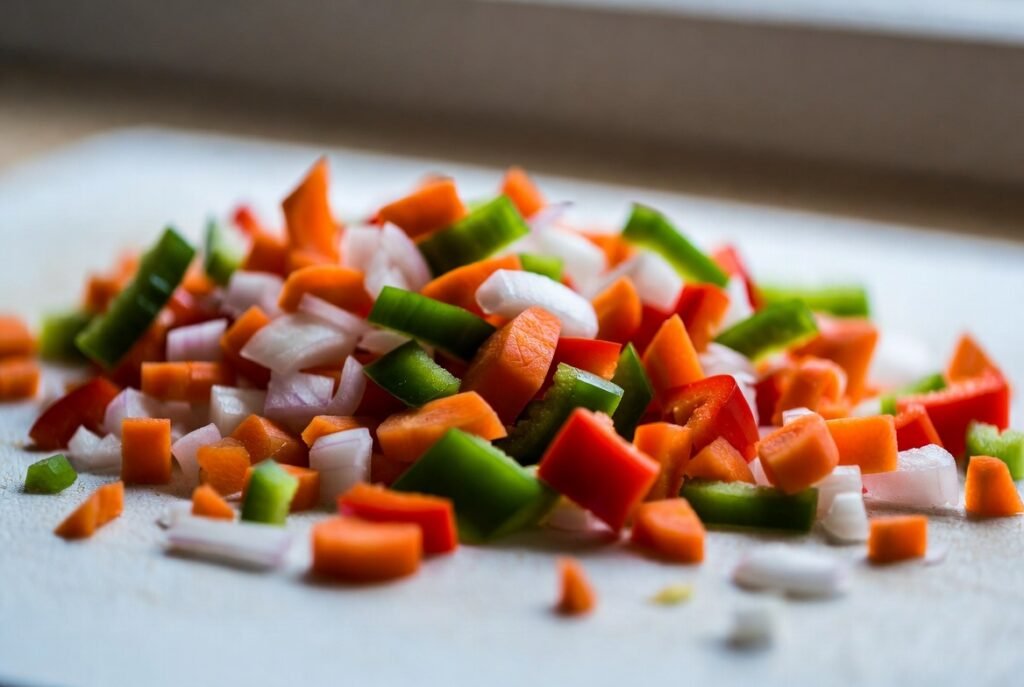
When vegetables are cut into very small sizes, the amount of surface area which is in contact with heat, water and air is increased. This increases the rate of the nutrient loss in cooking. Large pieces are also useful in keeping more vitamins and minerals as well as maintaining a texture.
Cooking Without a Lid
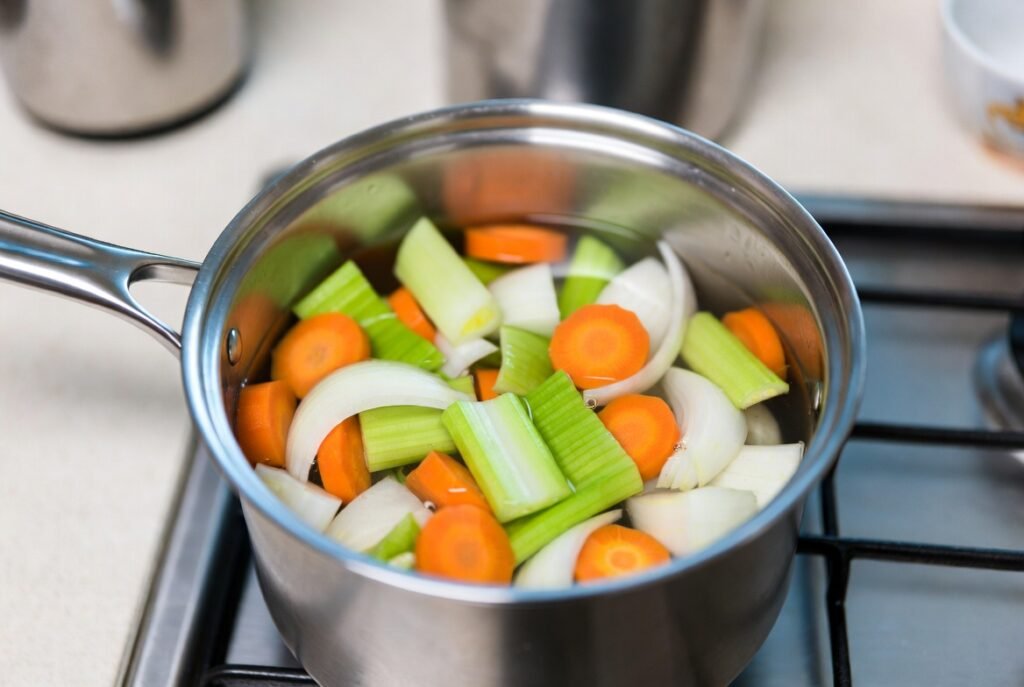
Pots left uncovered release heat and steam and this prolongs the cooking time. The more the exposure to heat, the more the nutrient breakdowns. When cooking vegetables, it is better to cover them so that they can cook faster and evenly. The habit is easy to maintain and it also saves energy and preserves more of the nutrients within the food.
Cooked Vegetables Still Fresh
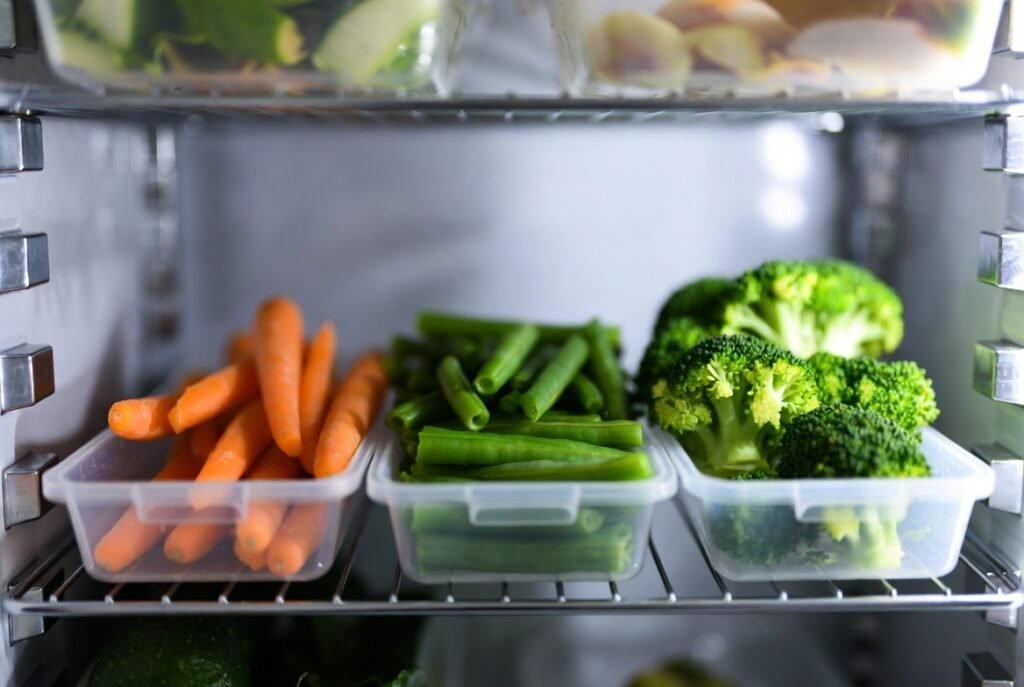
The longer the length of time the cooked vegetables take to be stored, the lower the levels of nutrients contained in the food. Changes in light, air and temperatures still cause the degradation of vitamins post-cooking. Vegetables should be eaten immediately after cooking because it maintains more nutritional value.
Omitting Quick Cooking Techniques
Steaming, stir-frying, or microwaving as methods of quick cooking conserve more nutrients as they require little use of water and minimal exposure to heat. Faster cooking methods can be useful in enhancing the quality of meals eaten by choosing faster cooking strategies on a regular basis.
Related Posts