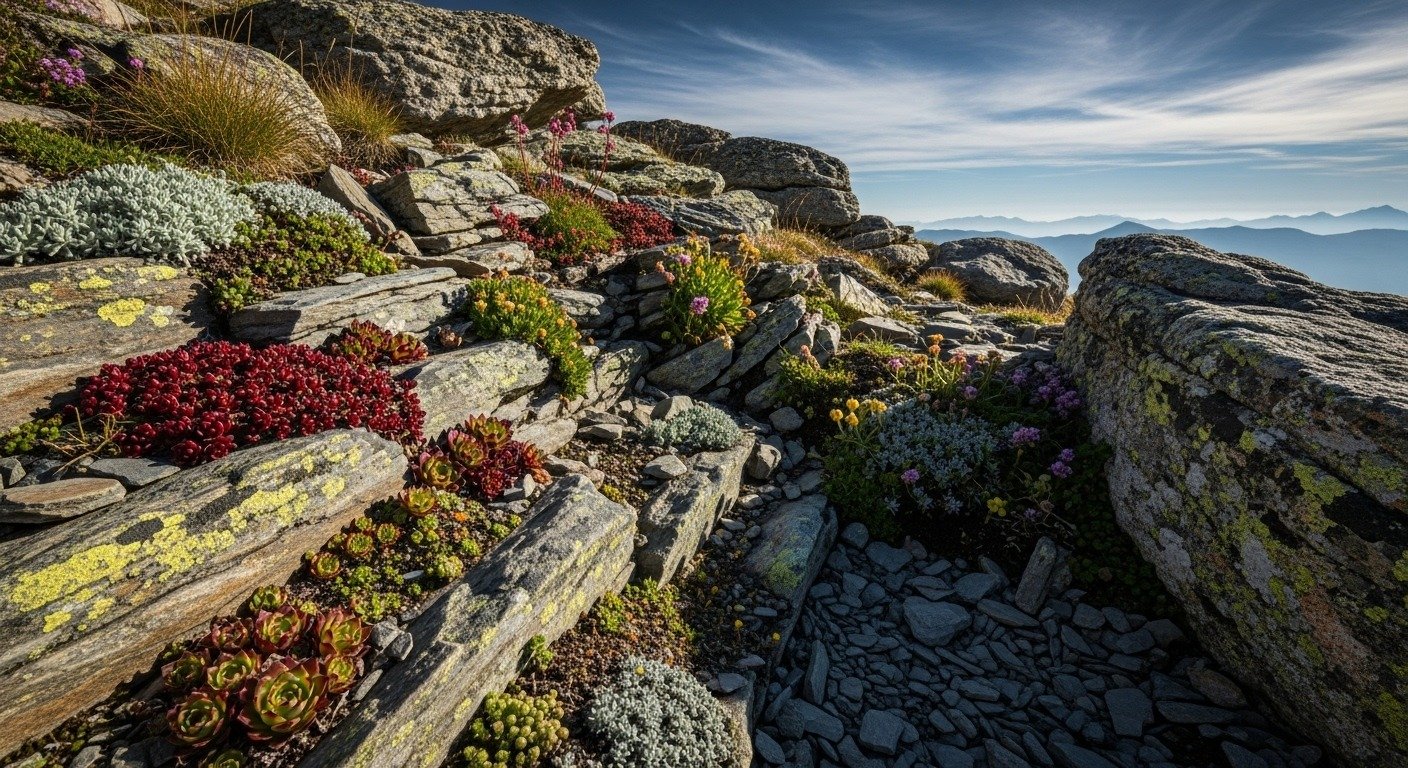
High elevations have very unpredictable weather which makes it a bit of a gamble to plant things early in spring. The sun is very strong up there and the nights get chilly fast. Using local techniques helps your greenery stay strong throughout the tiny window of warm weather. These pointers are meant to guide you through the basics of keeping a garden alive in the rocks.
Know Your Frost Dates
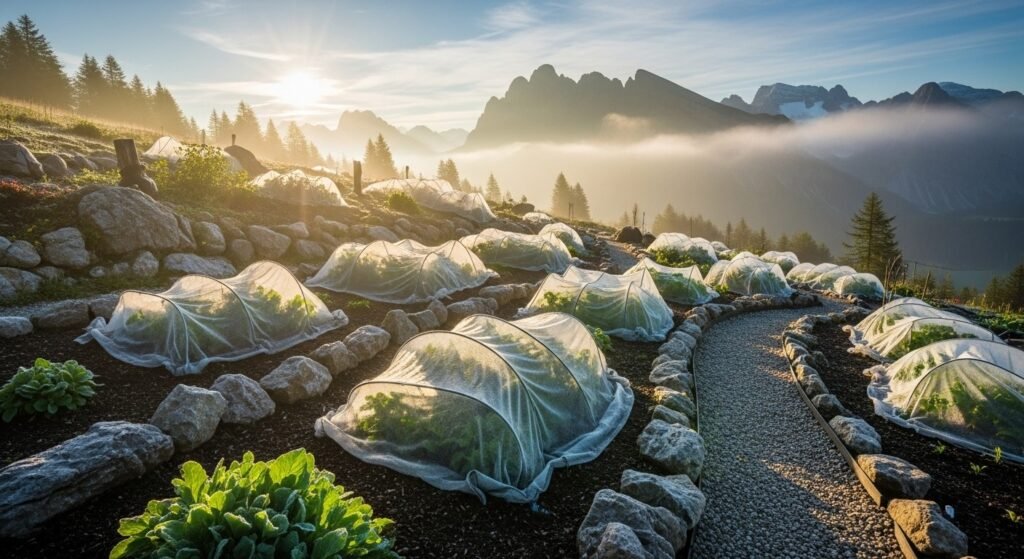
The growing season in the mountains is famously short and can sometimes last only sixty days in the higher spots. You should always check your local local frost maps because a surprise freeze can happen even in June or August.
Improve Your Soil Health
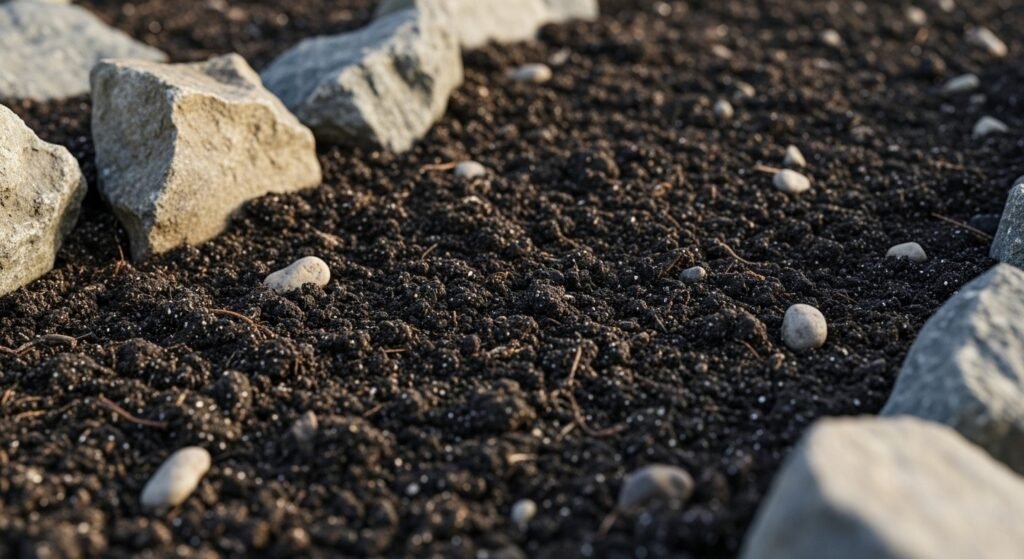
Mountain earth is frequently full of rocks and clay which can make it difficult for new roots to stretch out. Putting in natural fertilizer helps the soil save water and provides the food your plants need to stay strong so they can grow much better.
Choose Native Plant Species
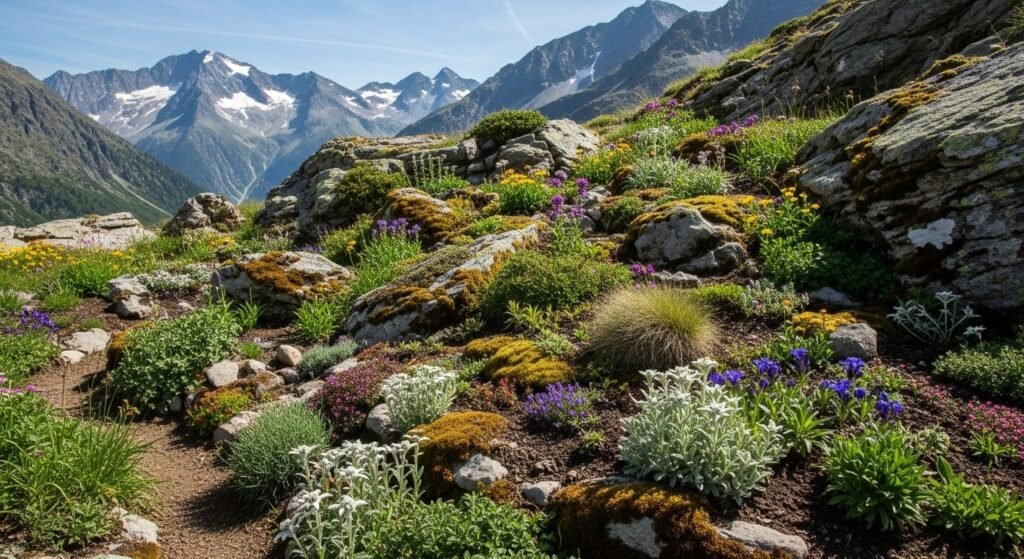
Pick plants that are from the area if you want a garden that stays healthy in the mountains. These varieties are used to the thin air and the shifting weather. You might find that they need less care because they belong in this specific climate.
Protect From Intense Sun
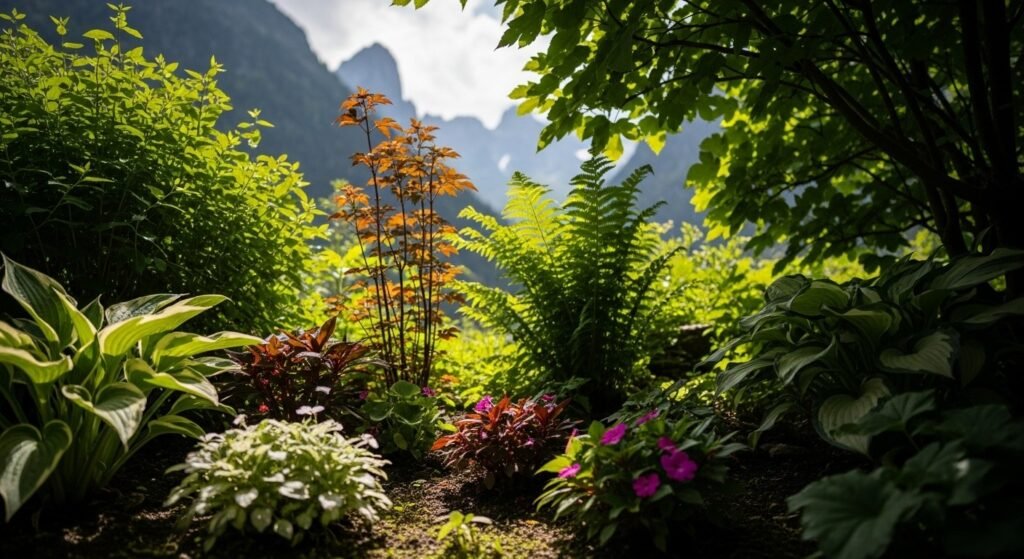
Sunlight feels way stronger when you are high up in the mountains so it might hurt your small plants. You could use a thin cover to block the heat during the afternoon. This usually helps keep the dirt wet and protects the leaves from burning.
Water In The Morning
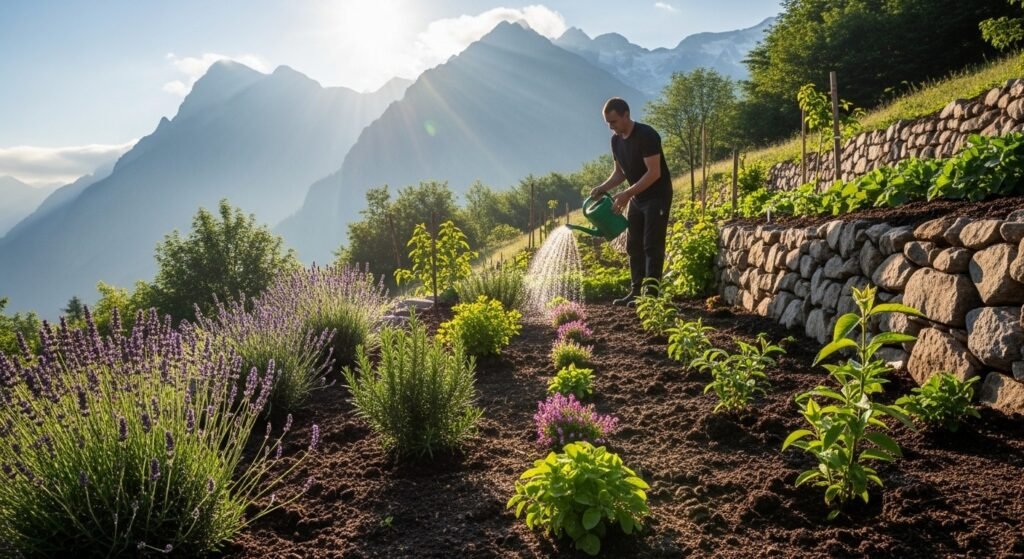
Water your plants when the sun first comes up. This lets the liquid sink deep into the soil before the heat gets too strong. If you wait until night the cold air keeps the leaves wet. That dampness might lead to some growth issues or sickness.
Use Raised Garden Beds
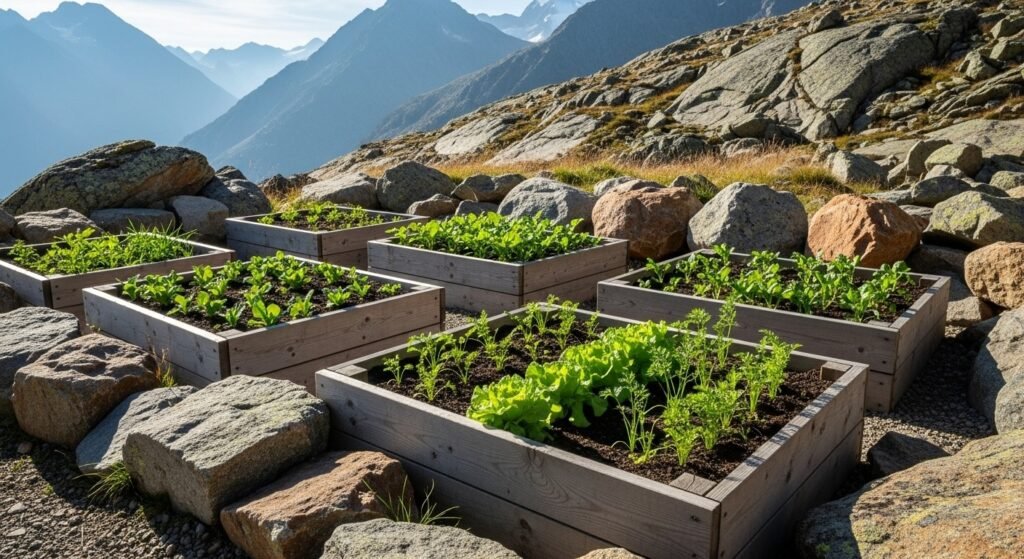
Raised beds are great for mountain weather because the ground stays chilly for months. Building these boxes helps the dirt get warm faster in the sun. This gives your small plants a better chance to grow. It also helps with how water flows through.
Mulch Everything Heavily
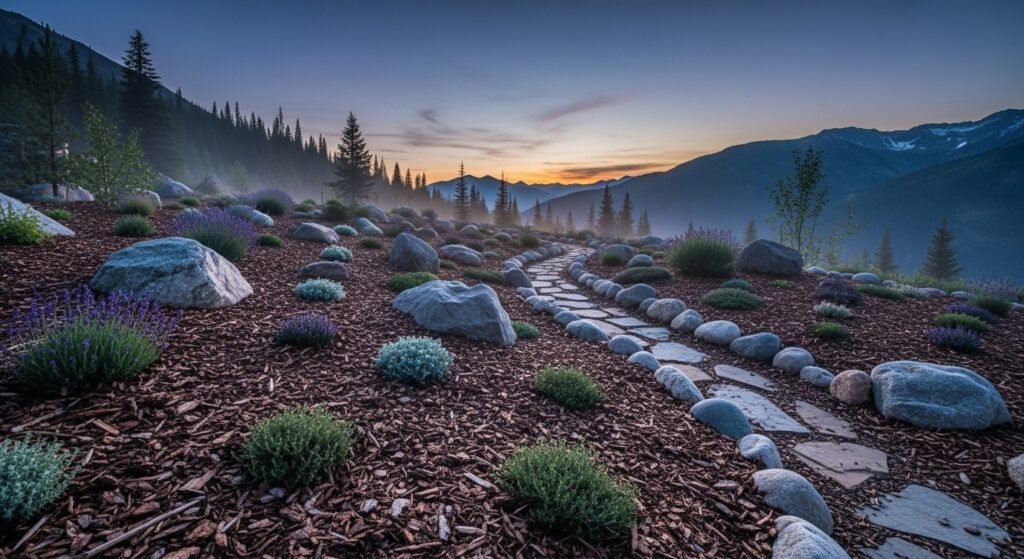
A thick layer of wood chips or straw acts like a blanket that keeps the soil temperature steady during those cold mountain nights. Mulching also stops the wind from sucking all the moisture out of the dirt which is a huge help in our dry climate.
Watch Out For Wind
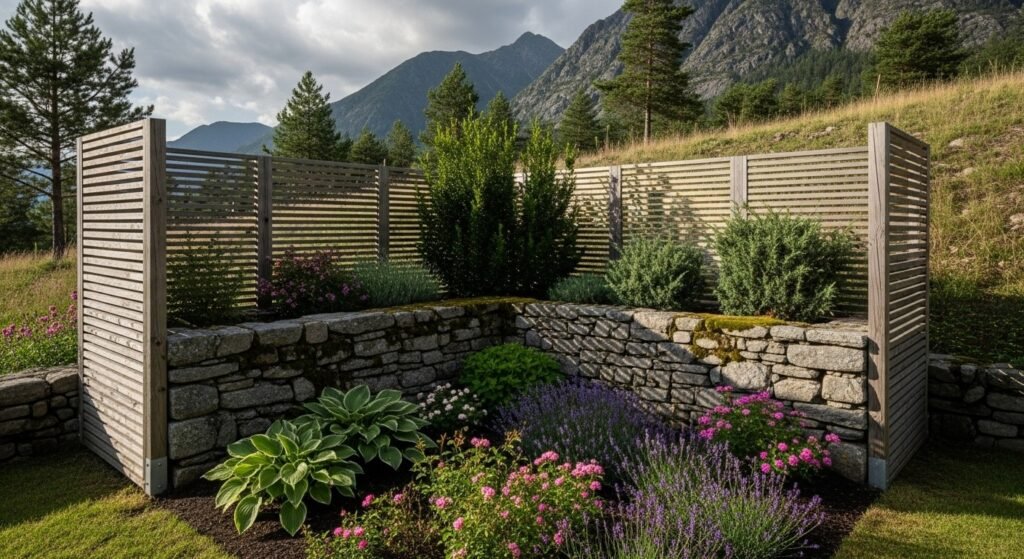
Mountain breezes can be very strong and they might dry out your plants in a short time. Placing flowers near a building can help block the wind. This may stop them from breaking. It is a nice way to make sure your garden stays safe.
Start Seeds Indoors
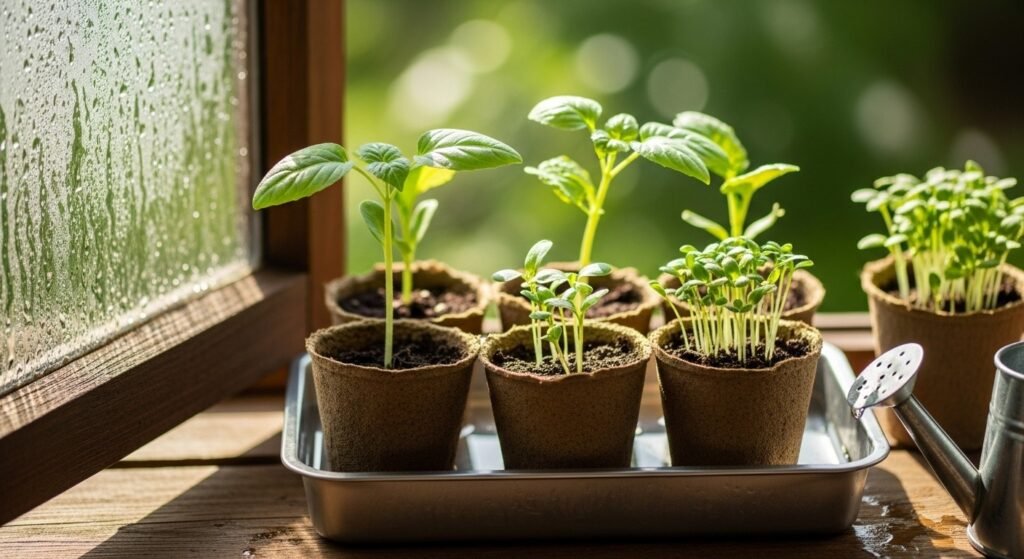
Since the summer is so short many gardeners start their tomatoes and peppers inside under some simple grow lights. This gives the plants a few extra weeks to get big before they have to face the outdoor elements.
Be Ready For Hai
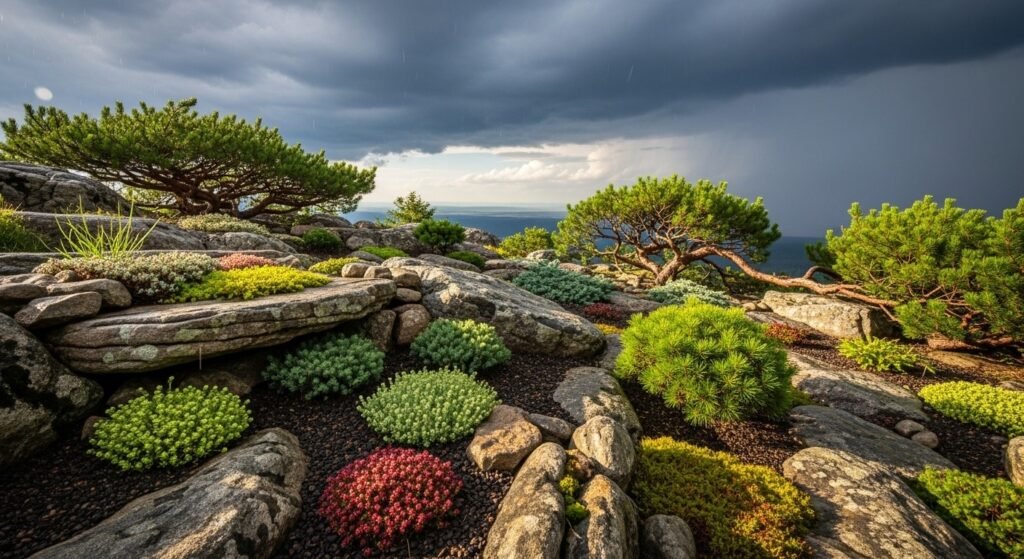
Sudden ice storms can fall from the sky and hurt your garden in minutes. You should keep buckets or blankets nearby to hide your plants. This helps when the clouds get dark. It might save your leaves from getting torn up by the cold ice.
Related Posts