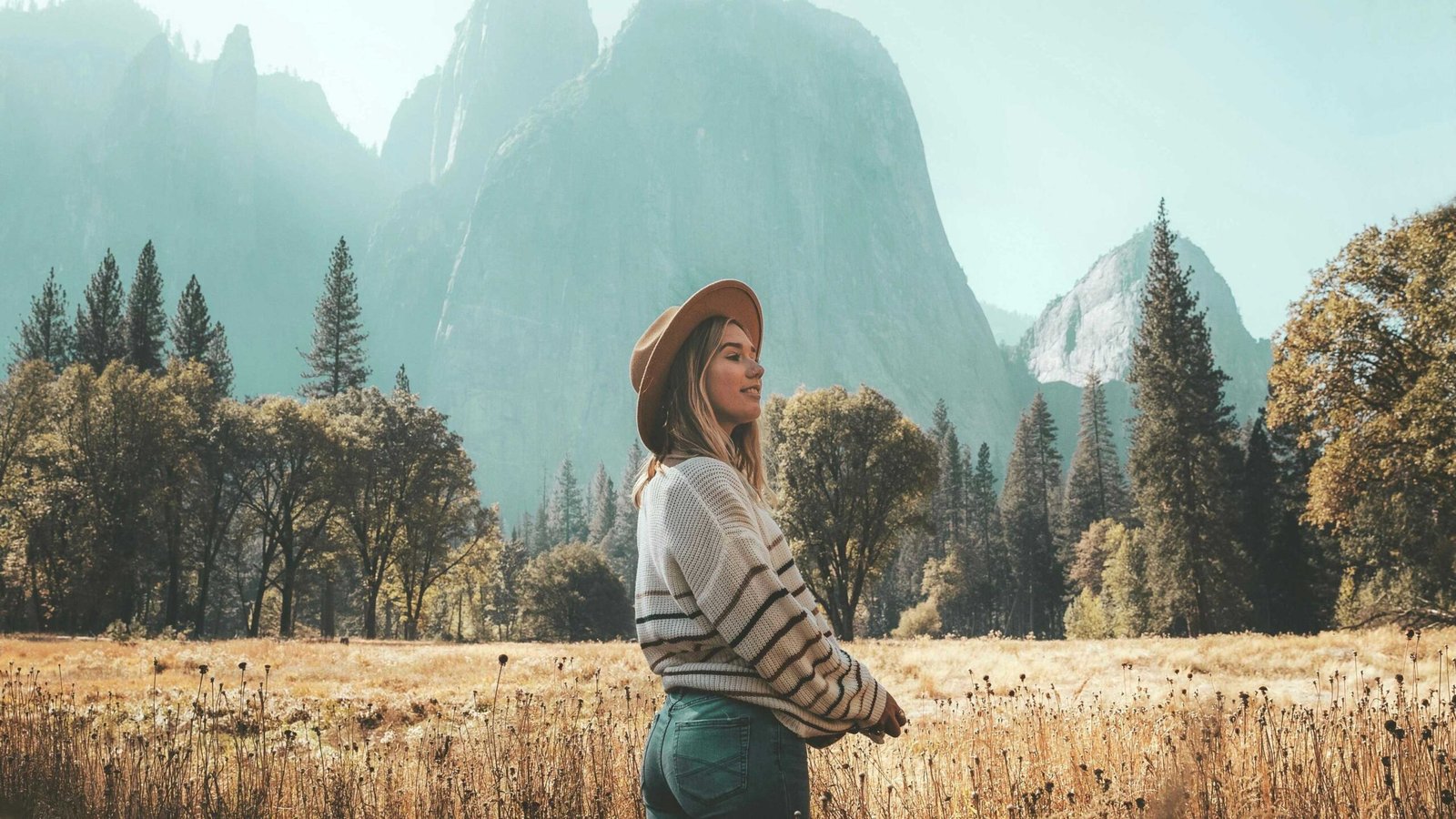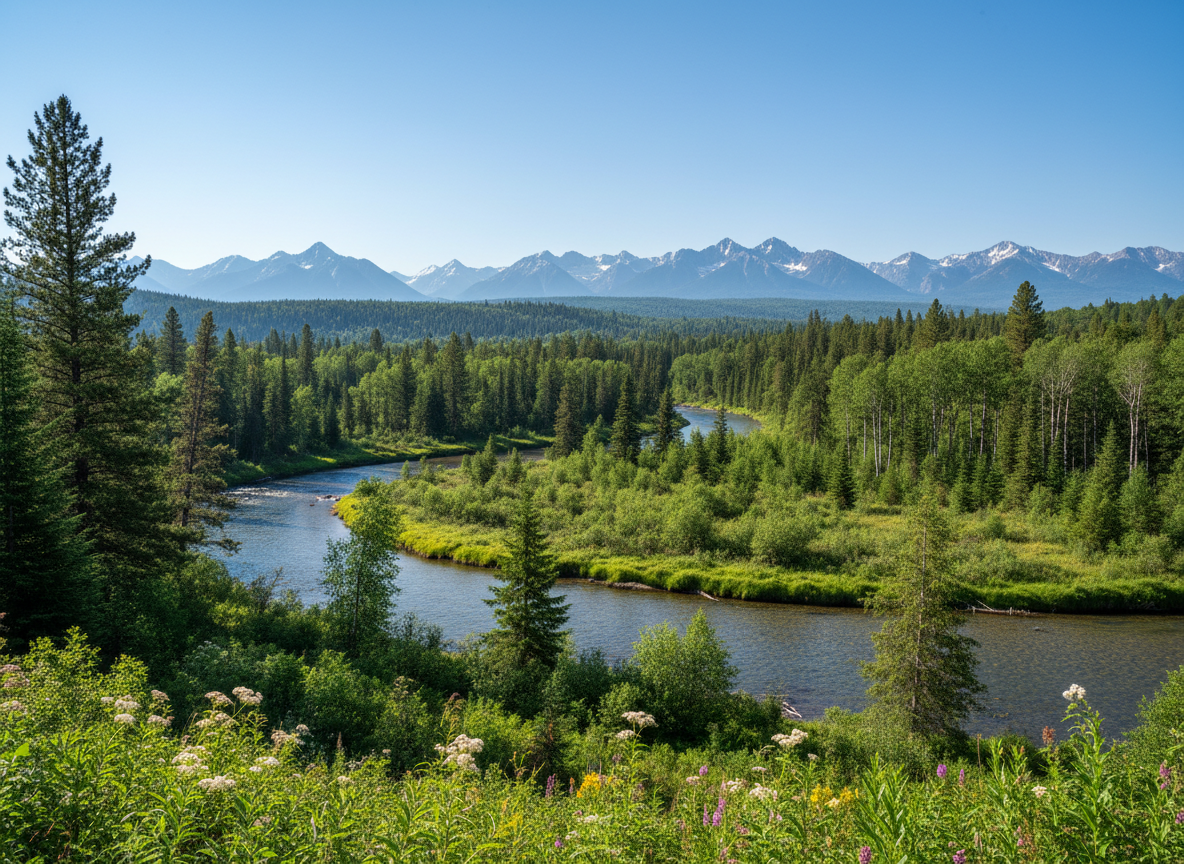
Many animals and plants across the U.S. are facing increasing challenges. Wildlife specialists have noted that a sizable share of native species may now be at risk. This appears to be linked to different changes in the environment. The situation offers a reason to think more carefully about how nature is treated and how small efforts might help protect it over time.
Vanishing Habitats

America’s wild animals are losing their homes because of the construction of new buildings, more stores and houses everywhere. When we destroy forests or big grassy fields the animals have no place to find food or sleep.
Fragmented Landscapes
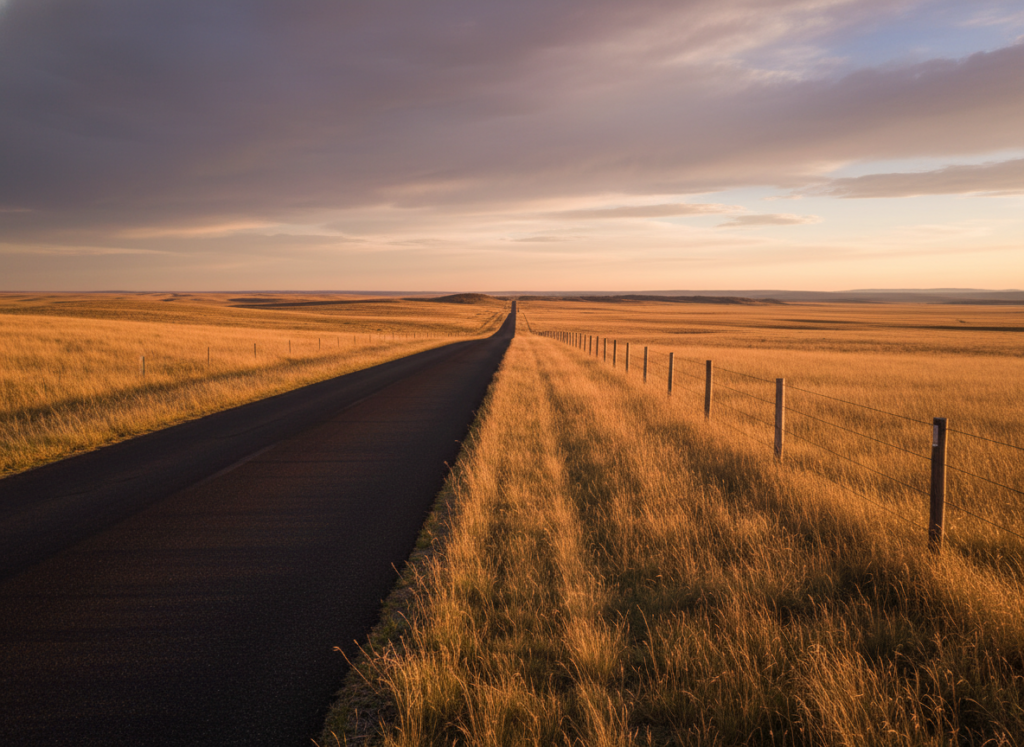
Roads and fences are slowly cutting big lands into smaller parts. This may make it harder for animals to move around. Some experts feel animals often risk crossing busy roads to find water or a partner.
Shifting Weather Patterns
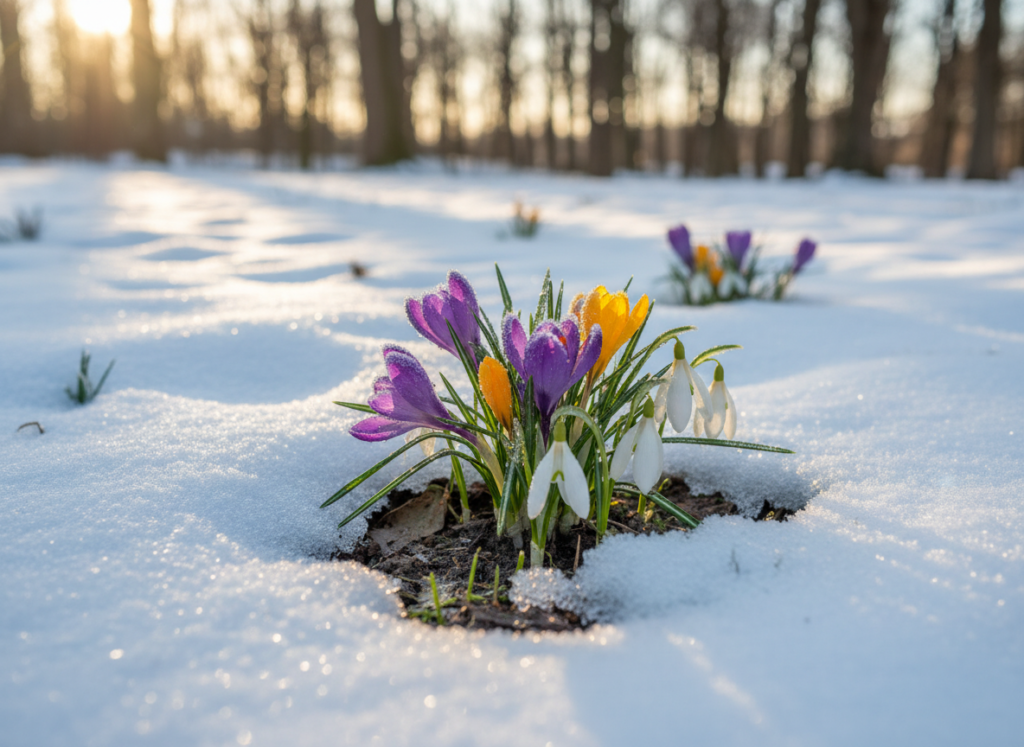
Rising and falling temperatures seem to affect natural timing, like flowers opening or birds heading south. When food may not be ready as animals arrive, it can create serious trouble for their ability to survive.
Invasive Intruders
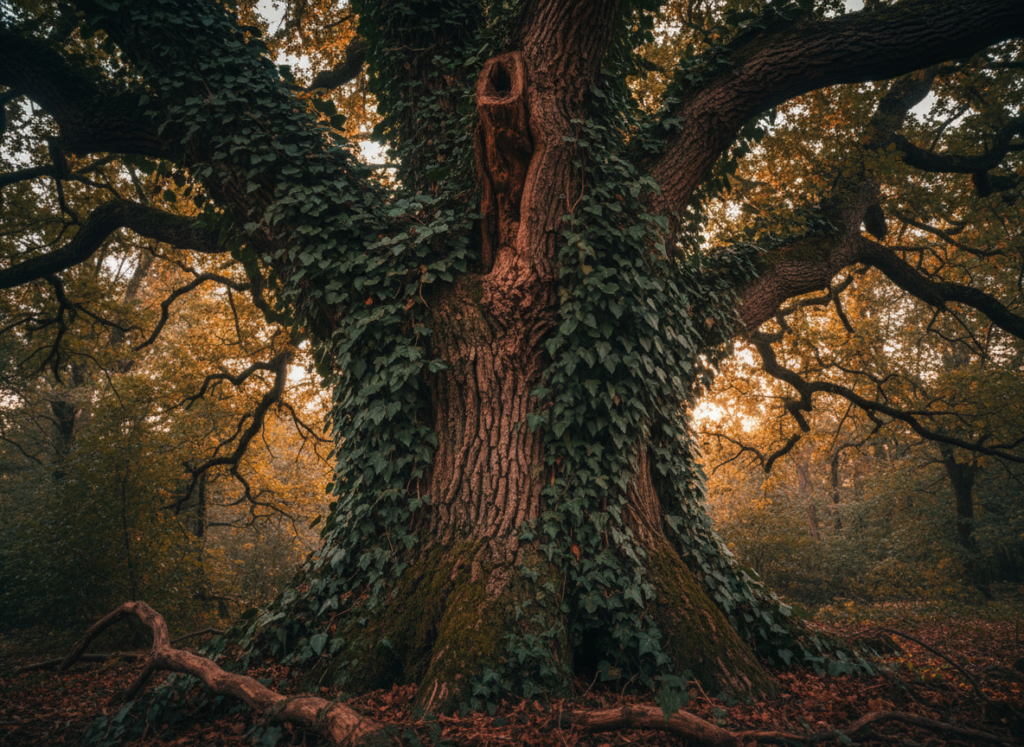
Some plants and animals that come from other places slowly changing their ecosystem into new areas. They use food and space that local wildlife depends on, which can make it harder for native species to survive over time.
Water Ecosystems
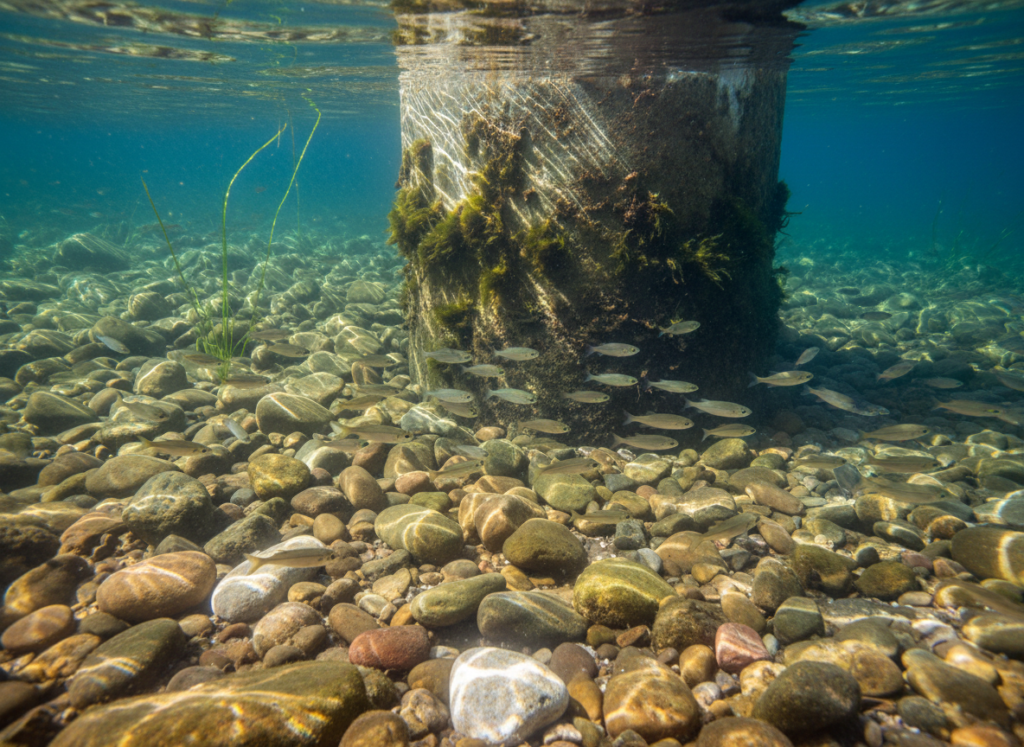
Rivers and lakes are changing in quiet ways. Pollution and dams appear to affect mussels and fish. Since these animals help keep water clean, their problems may slowly affect the quality of water people use every day.
Disease Outbreaks
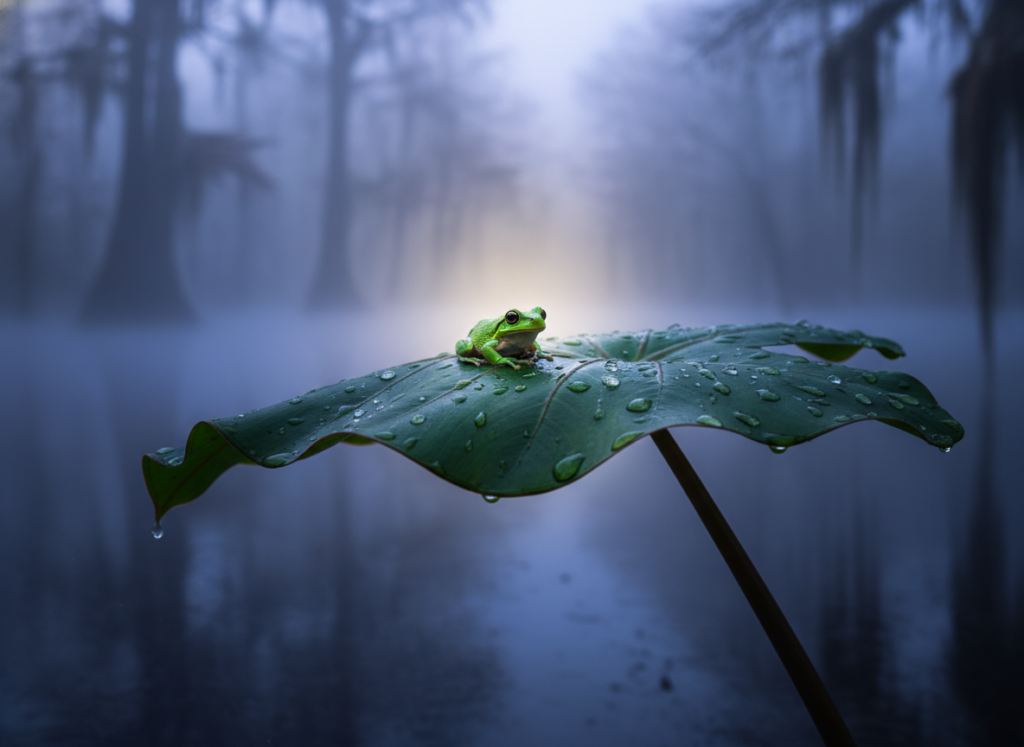
New illnesses are spreading through animal populations like bird flu or fungus that affects frogs and other amphibians. Without healthy habitats these animals are less able to fight off infections which can wipe out whole groups very fast.
Chemical Runoff
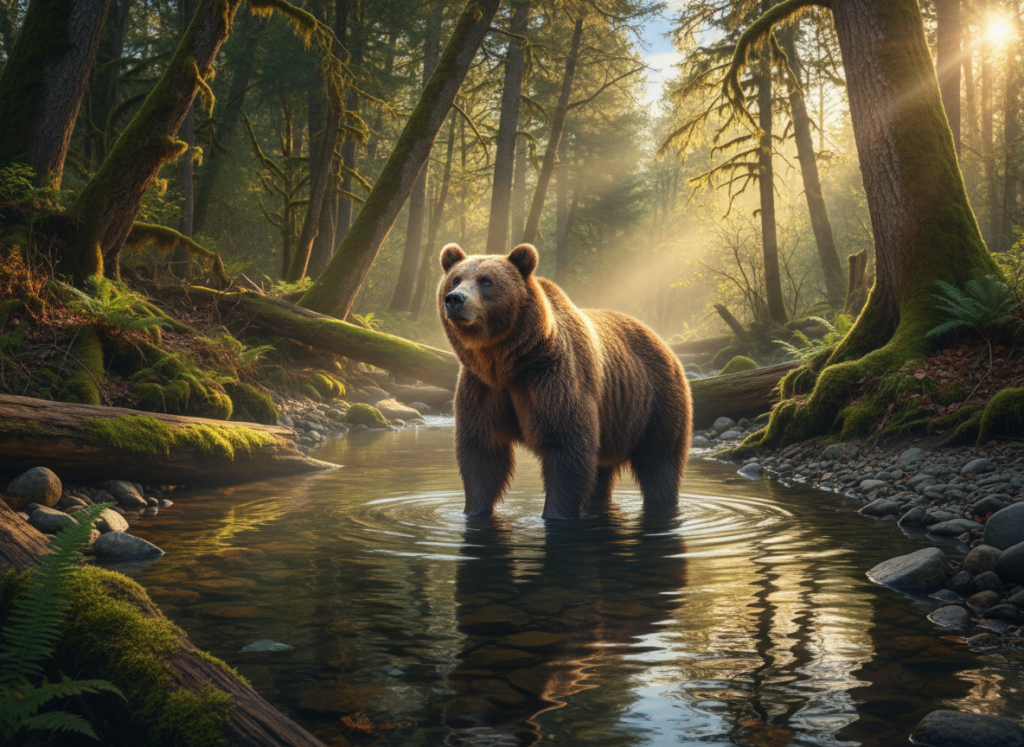
Many chemicals used can wash away with rain and reach soil and water. Animals may be affected at first. Over time, the chemicals may move through food chains and reach animals like hawks and bears.
The Window Is Closing
Experts believe we are at a turning point where the choices we make today will decide which animals are still around for our grandkids. While the situation is serious many believe that fast action can still turn things around.
Low Funds
Conservation groups say there is just not enough money to keep up with the scale of the crisis right now. Many states have plans to help their local wildlife but they are waiting on more support to actually put those plans into action.
Silent Bird Loss
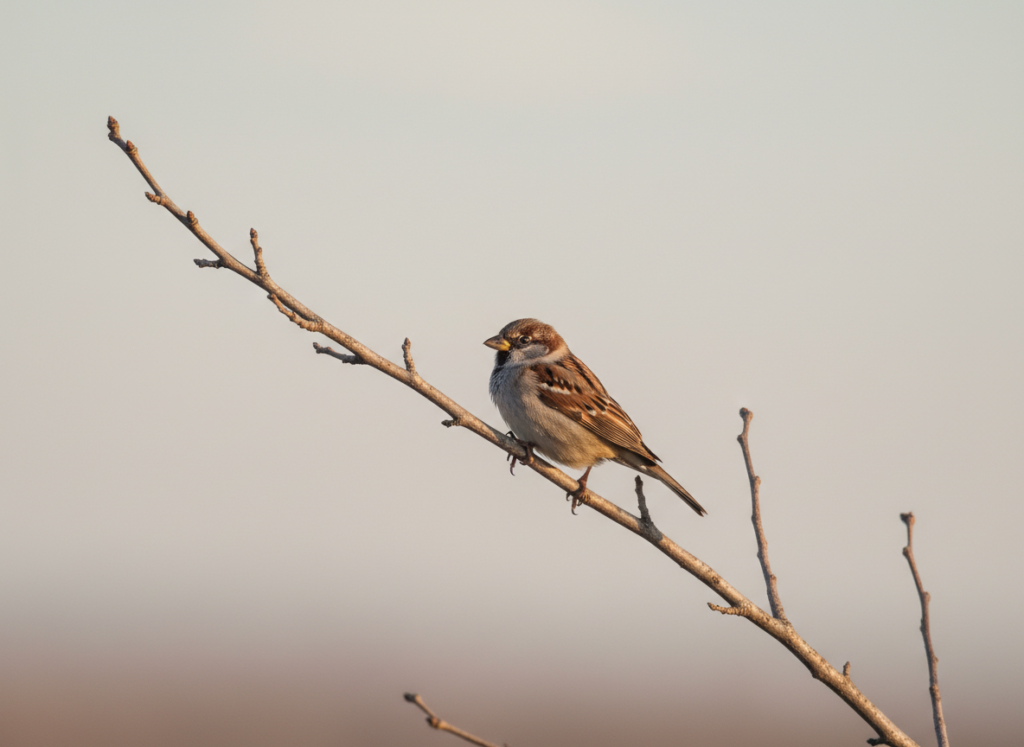
North America has lost nearly three billion birds since the 1970s which is a staggering number that has many scientists worried. Common backyard birds that we used to see all the time are now becoming much harder to find.
Related Posts