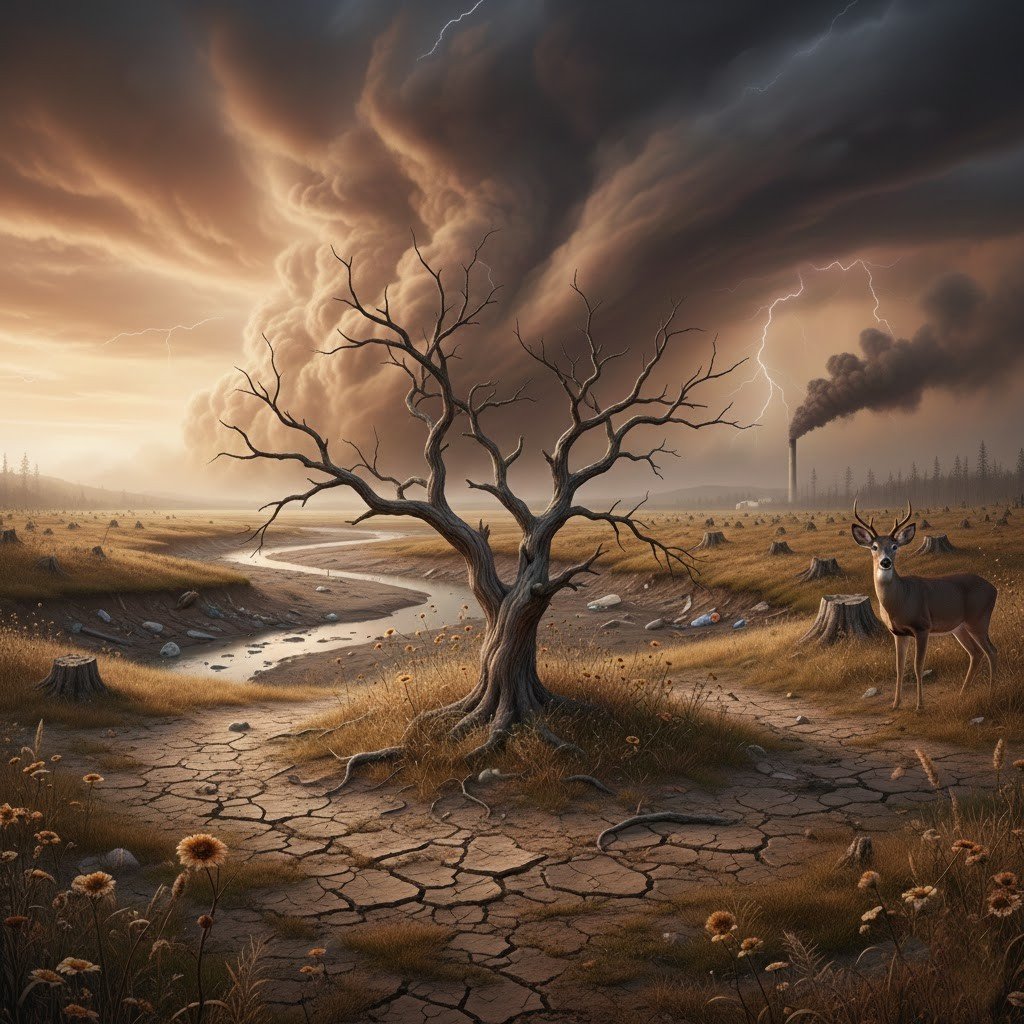
Recent studies show that nature across the United States can be under growing pressure. Changes in weather and the loss of natural land may be affecting plants and animals in many areas. Some researchers feel these systems could be close to a point where healing takes longer. Learning about these shifts can help people notice changes in nearby parks and yards.
Vanishing Grasslands
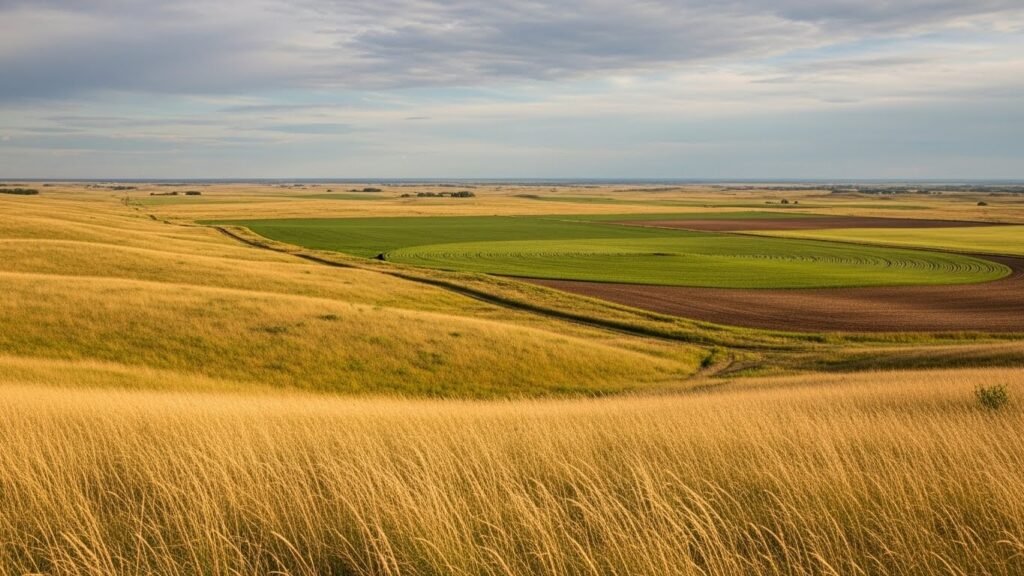
Grasslands across the Great Plains and nearby prairies can be shrinking as farms and buildings spread. Researchers note these open lands can help store carbon and support soil health for people living there in years ahead.
Rising Sea Levels
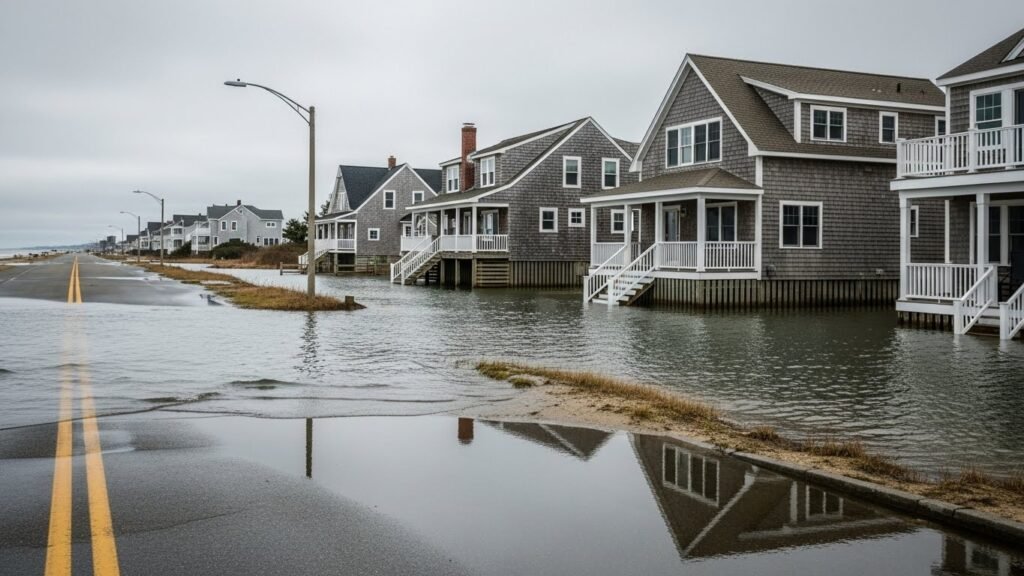
Along the coast from Florida to the Northeast, seawater can reach roads and yards more often now. Salt can enter soil, and this change can make it harder for trees and plants to grow well.
Fewer Birds In The Sky
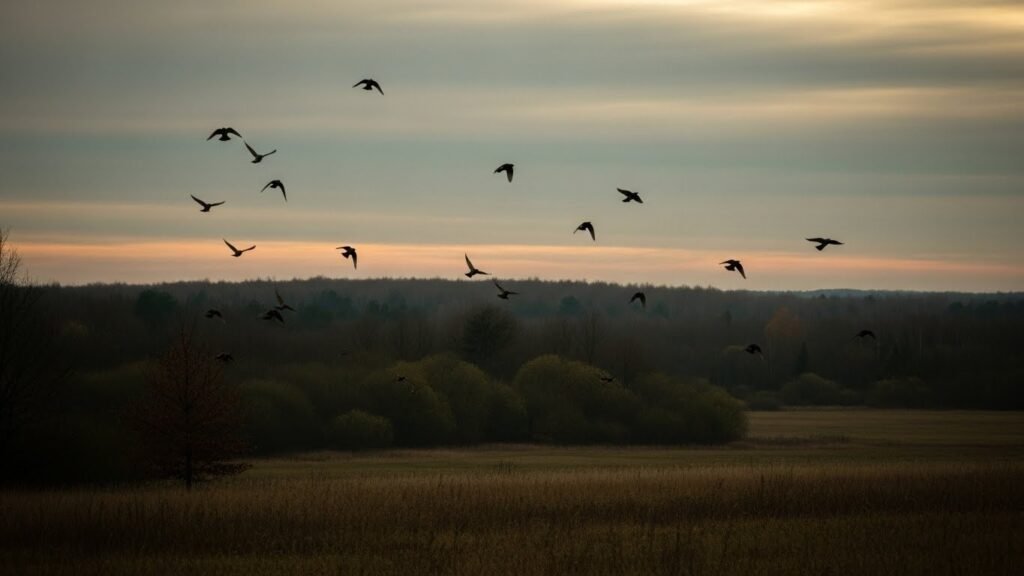
Studies show that North America has lost billions of birds over the last few decades which is a huge number if you think about it. Without these birds to eat bugs and spread seeds the balance of our gardens and forests starts to feel a bit off.
Warming Forest Floors
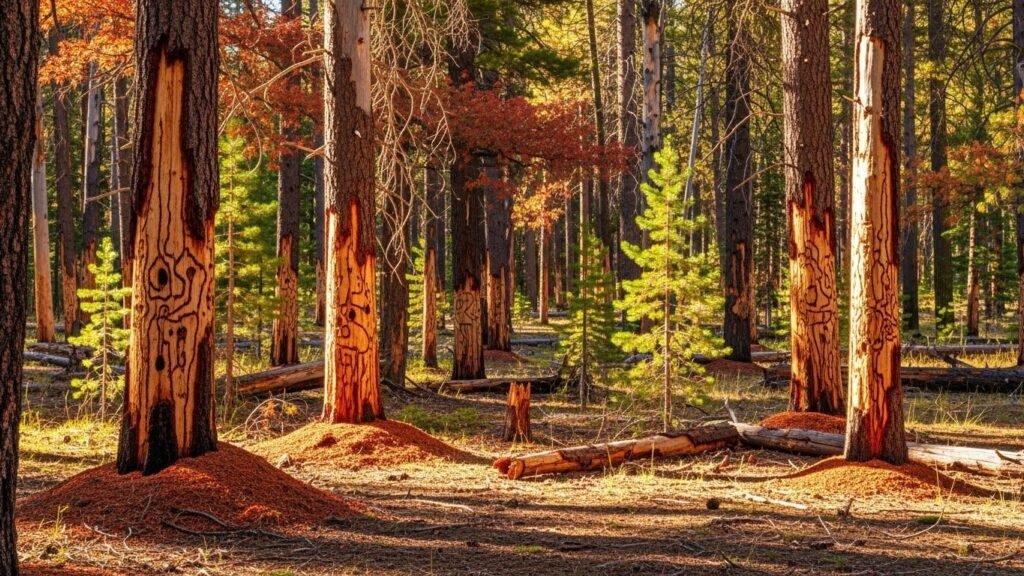
Winters are milder than before, so frost can fail to clear pests. Bugs like bark beetles can spread more easily and damage many trees, especially across western states, changing how forest floors behave over time.
Water Scarcity
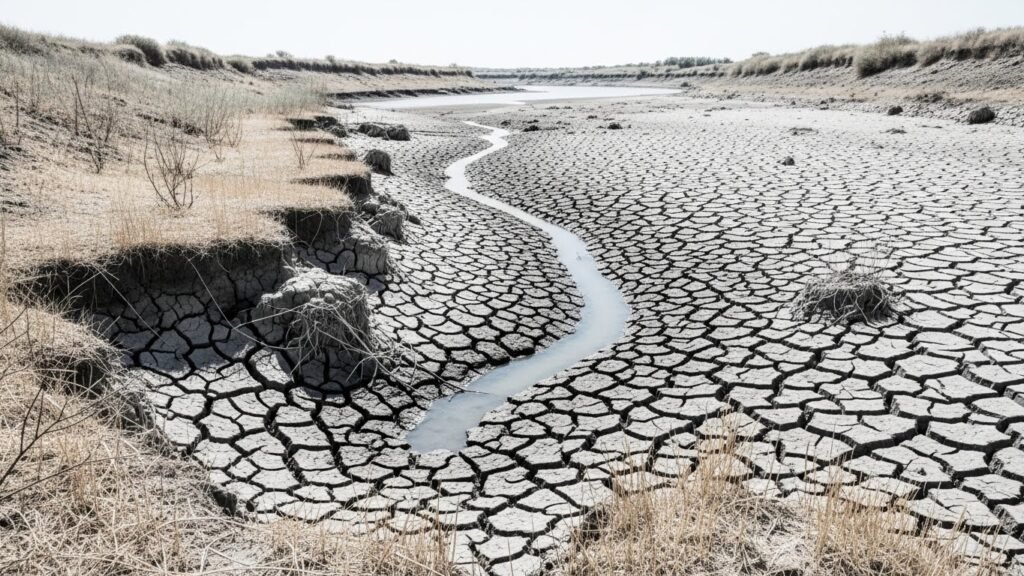
Long hot summers can reduce water in key rivers and lakes, used by many people. Researchers explain that this can point toward revisiting how water is spent on land and food growing in the coming years.
Shifting Bloom Times
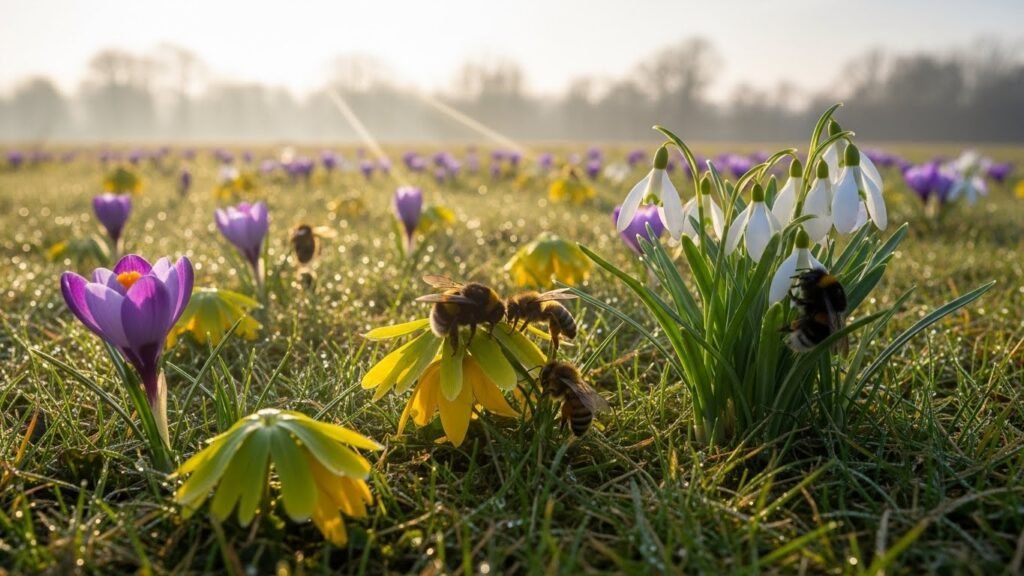
In some places, flowers can open earlier in spring than they used to. It appears lovely, but this shift can matter, since bees and butterflies may still be asleep then during early plant growing time.
Invasive Species Spread
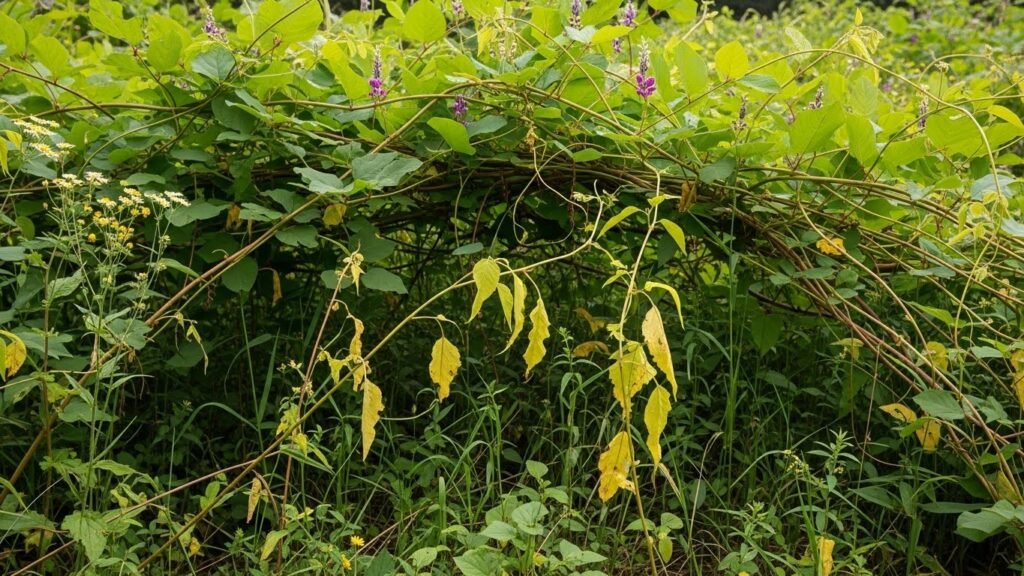
Plants and animals from far places can grow into new areas and slowly take space from local wildlife. With few natural enemies, their numbers can grow fast and push native plants and animals aside there.
Extreme Weather Patterns
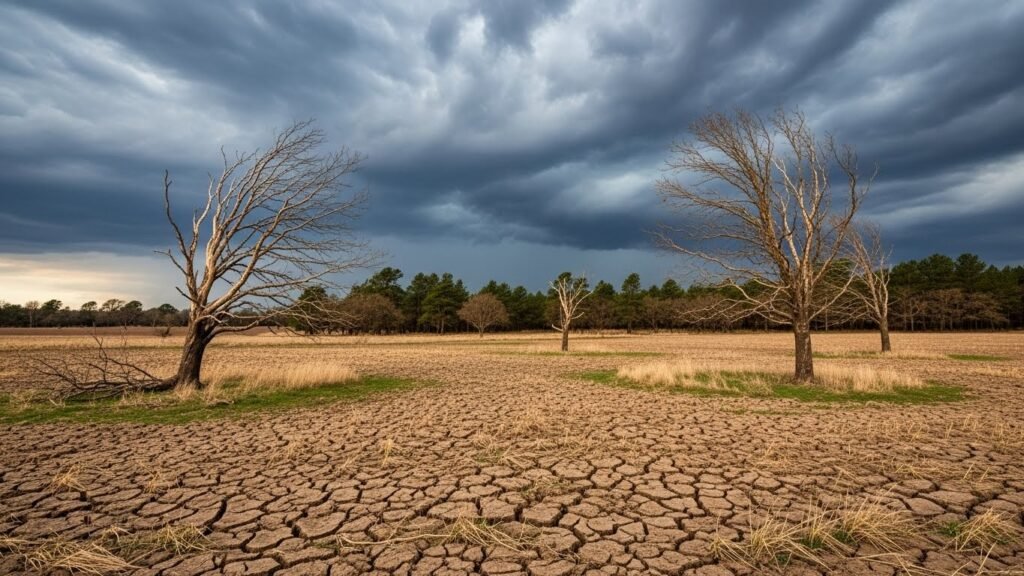
Big weather changes bring strong storms and long droughts more often, giving land less healing time, which can slowly drain soil nutrients and place strain on trees as patterns repeat across different parts of land.
Loss Of Pollinators
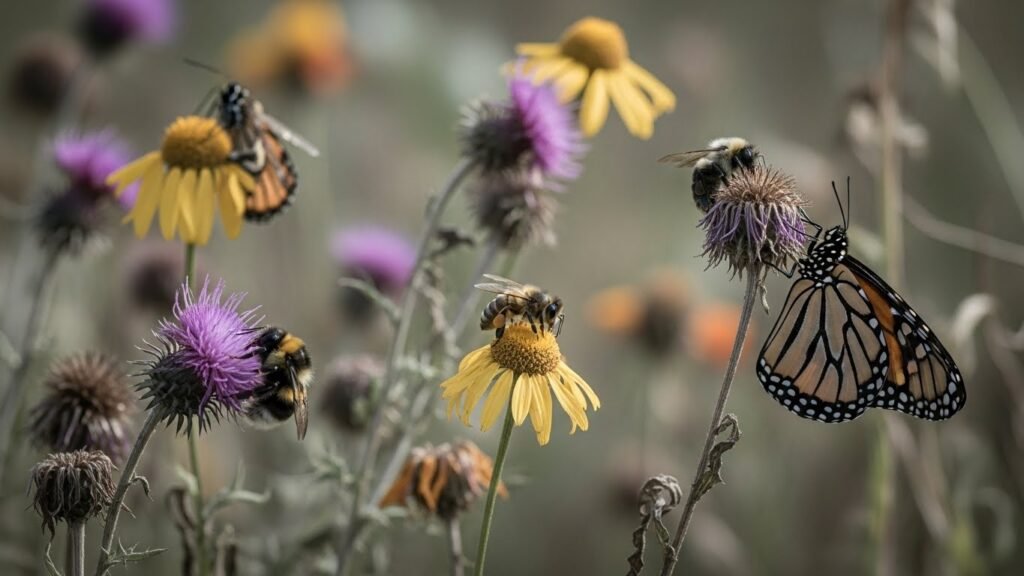
Bees and other insects are not able to live because of chemicals that are somehow polluting the environment’s air and a lack of diverse flowers to feed on. Since they help grow a lot of our food their struggle is something that eventually affects everyone’s dinner table.
The Path Forward
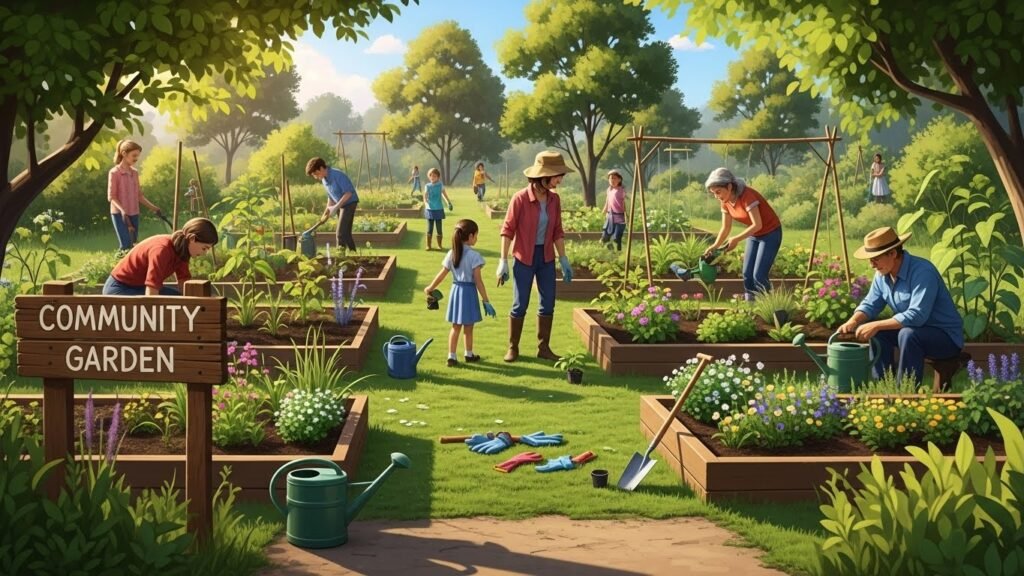
Experts explain that the outlook feels hard right now, yet there can still be room to save wild land. Simple acts, including planting local plants and guarding small parks, can gently aid nature over time.
Related Posts