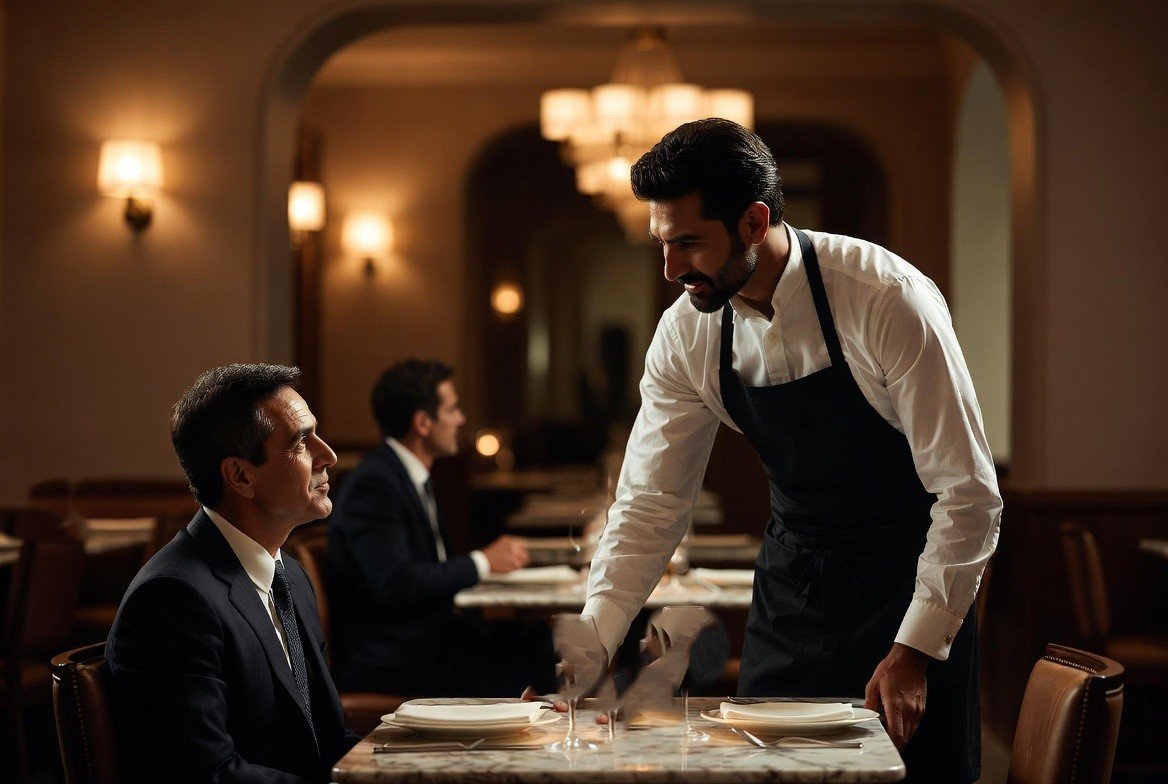
Tipping is a major aspect of dining manners and makes a worthy contribution to the restaurant staff. Most service employees depend on tips as a significant source of their earnings. Nevertheless, there are minor errors which diners tend to commit without even knowing that they may appear disrespectful or unjust. Knowledge of good tipping habits will serve to keep the relations on a good level, value good service and be fair.
Not Tipping at All
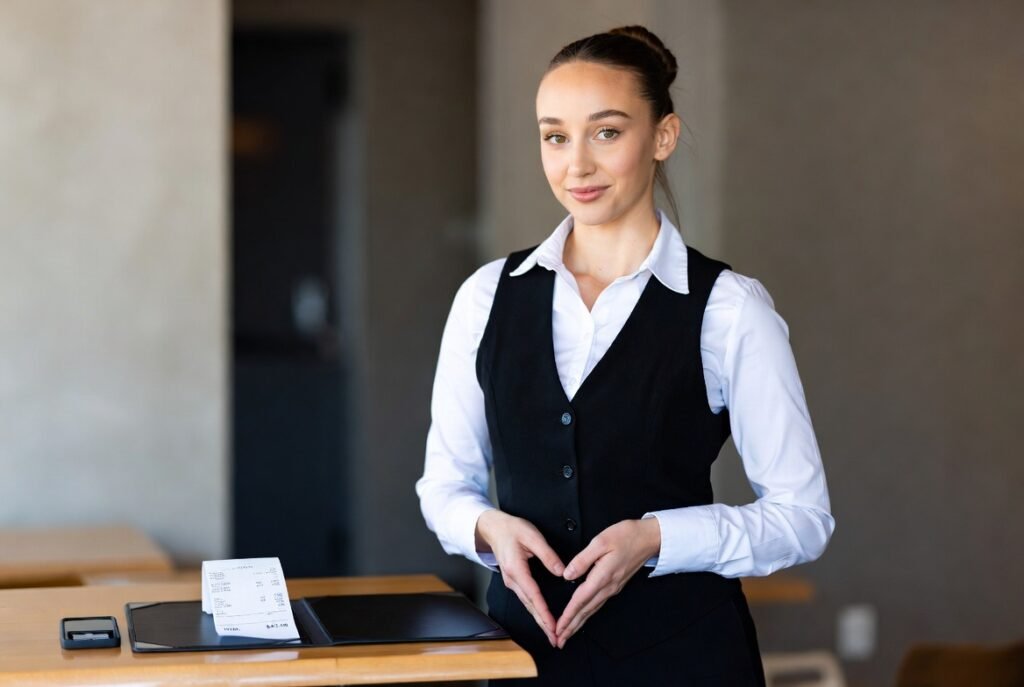
One of the most serious and frequent mistakes is to fail to tip. In most restaurants, the employees rely on tips to complete their modest base salaries. Avoiding falling may adversely impact the revenue of a server, irrespective of the service quality. A tip should be given for the average service.
Tipping Based Only on Mood
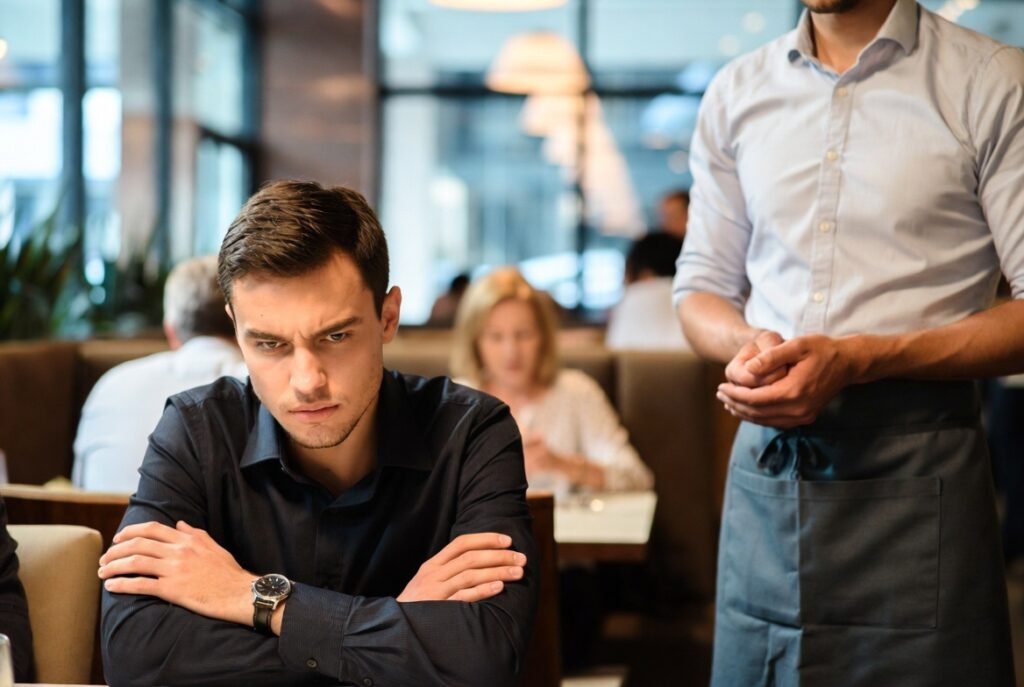
Tips are not supposed to be granted based on personal mood or irrelevant problems. Stress or delays, which are beyond the control of the restaurant, or personal displeasure must not influence the decisions on tips. Servers are not supposed to be punished due to the non-responsible factors.
Tipping Inconsistently
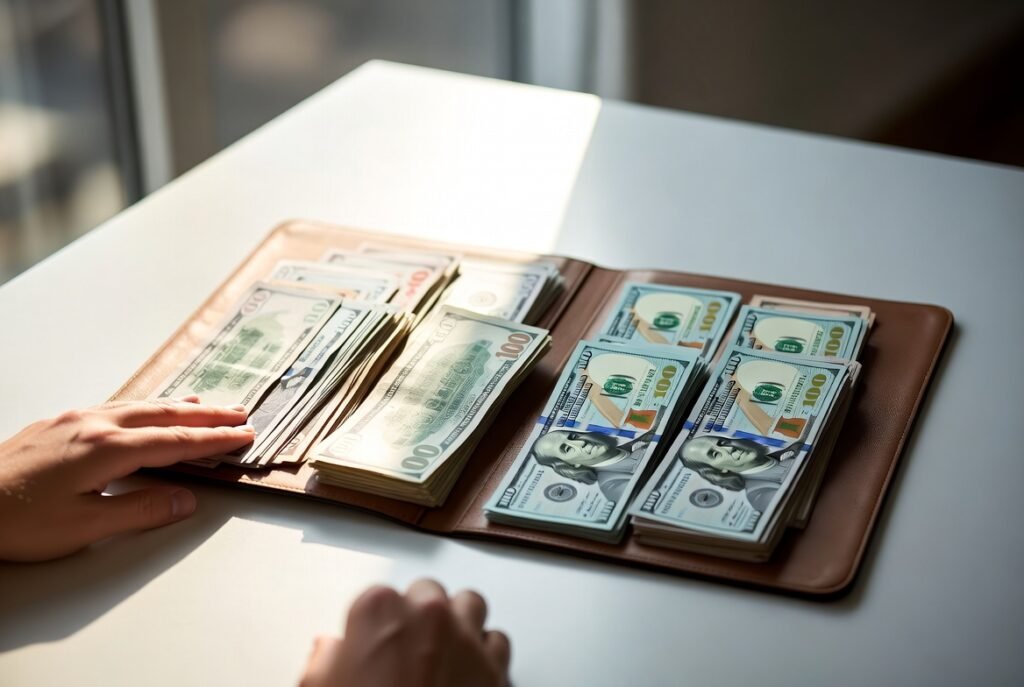
Random tipping brings about confusion and injustice. The best tips are the standard ways of keeping the level of fairness in service experiences. Although precise quantities might be different, being consistent is a sign of respect and sensitivity to dining etiquette.
Delays in the kitchen have their tips reduced
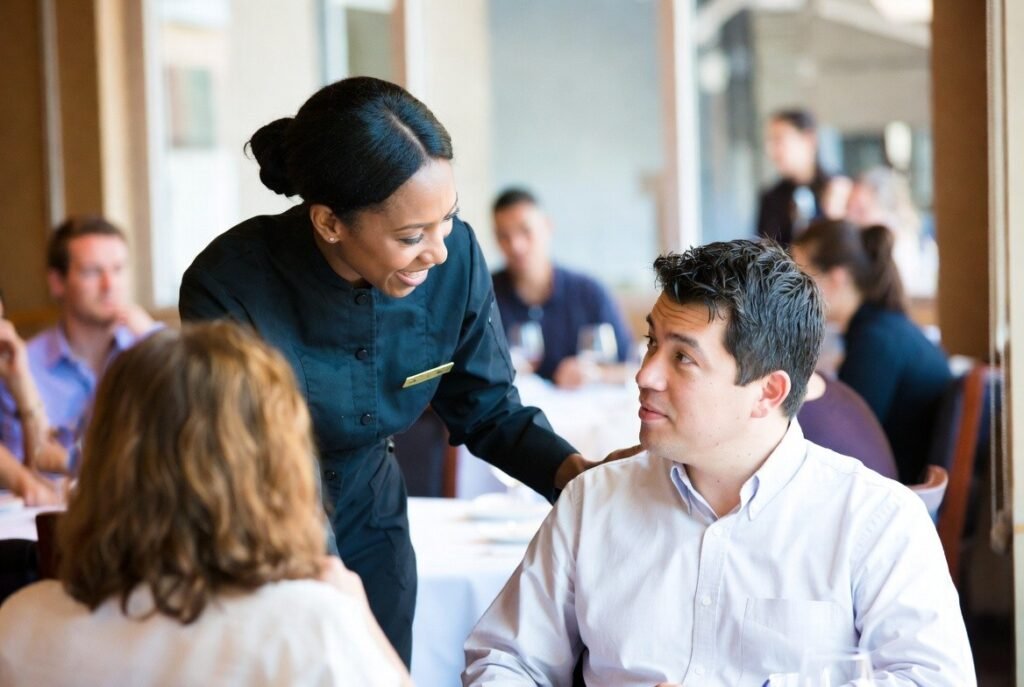
The kitchen is likely to create delays that are beyond the control of the server. The penalty of slow preparation of food by means of reducing the tips is not fairly imposed. Communication and customer comfort in cases of delays are normally handled by the servers.
To Tip or Not To Tip on Takeout Orders
Although capping a takeout is a matter of choice, failing to do so may be a way of disregarding the effort of the staff. It still takes time to prepare, package and organise orders. Tipping a small amount of money will be a sign of appreciation for the service offered, particularly when there is a rush.
Tipping When Service is Truly Outstanding
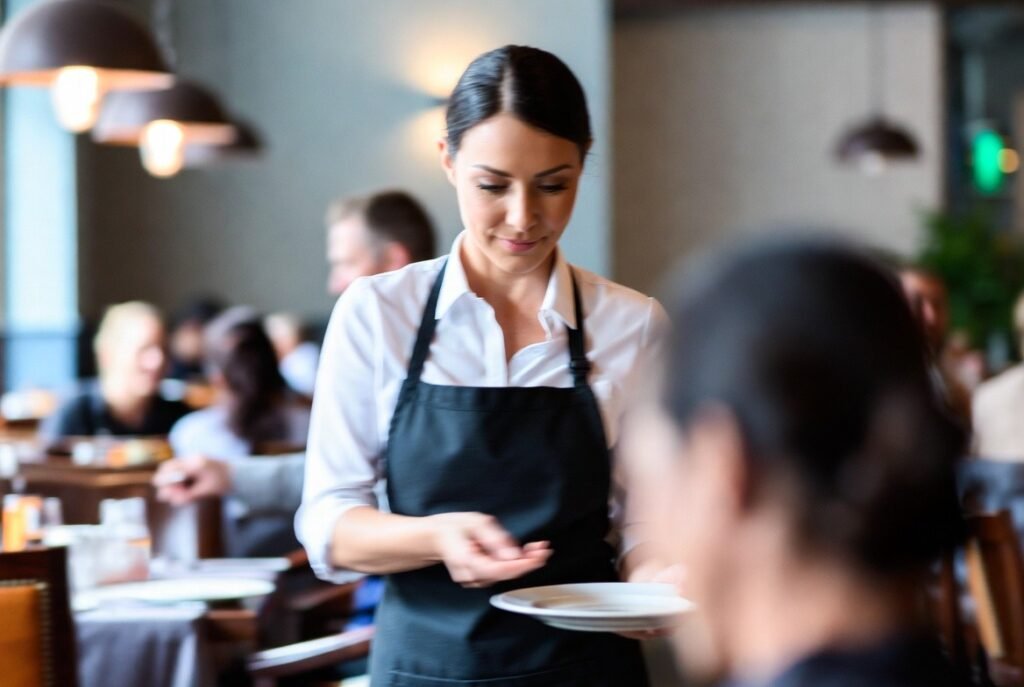
Even the simplest service is to be compensated. It is impractical to wait to get outstanding service to set very high standards. Servers perform several duties to provide a free flow of the dining process. This constant effort is recognised in a usual tip, and a big tip may be earned as a reward for outstanding service.
Neglect of Bar and Counter Staff
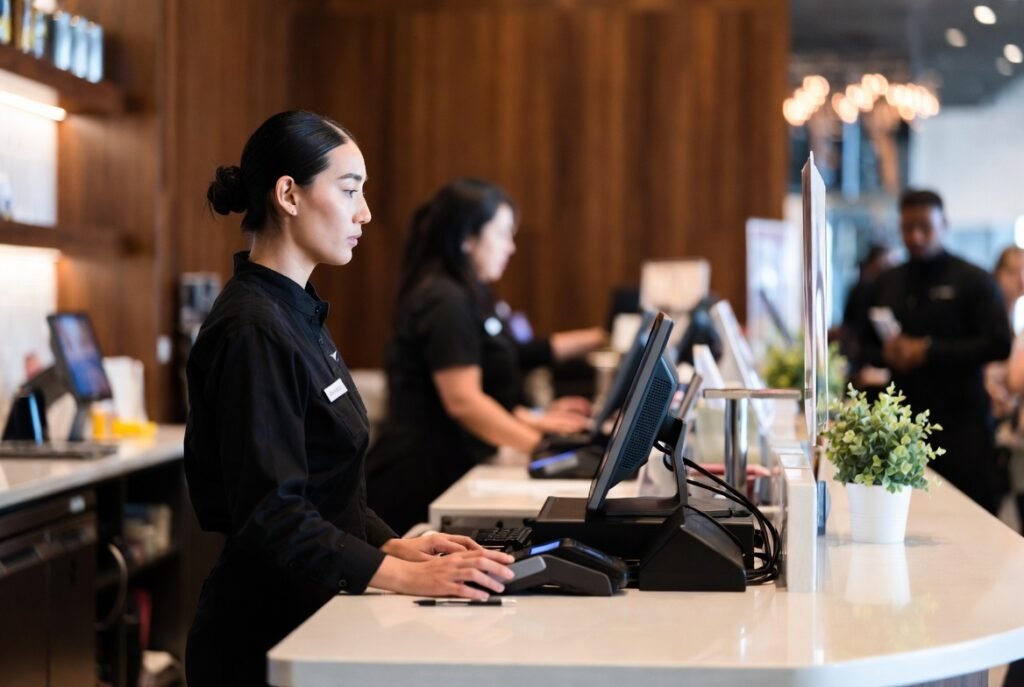
The bartenders and counter personnel also depend on tips. Tipping servers without paying due attention to them makes it imbalanced. Counter services and drinks require skill and attention. Incorporating them into the tipping culture would make it just among all positions in the service industry.
Using Tips to Send Messages
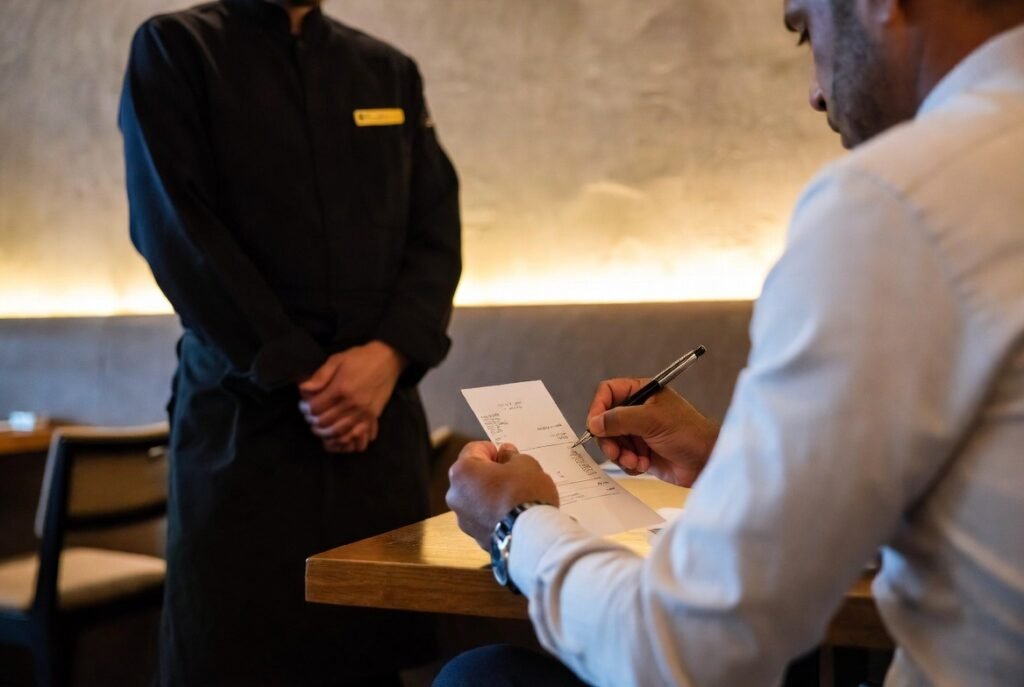
It can be indirect and ambiguous to decline tips to express dissatisfaction. Positive feedback would be better expressed orally or via management. Tips are to be deserved, not to be protested. Effective communication can be used to enhance service without hurting revenue in an inequitable manner.
Neglected Group Dining Etiquette
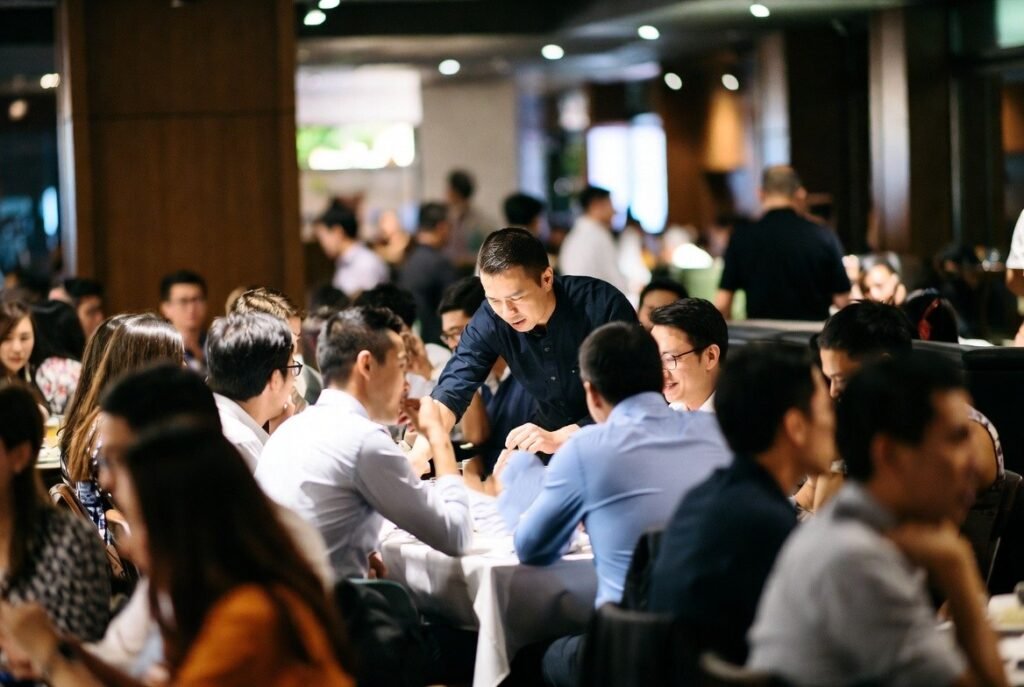
Dining in large groups usually necessitates additional organisation. Other diners do not remember giving appropriate tips in restaurants. Most restaurants have built-in gratuity for large parties. Otherwise, the generosity of tipping indicates the extra work needed in order to cater to groups in a harmonious way.
Failure to Adjust Service Time
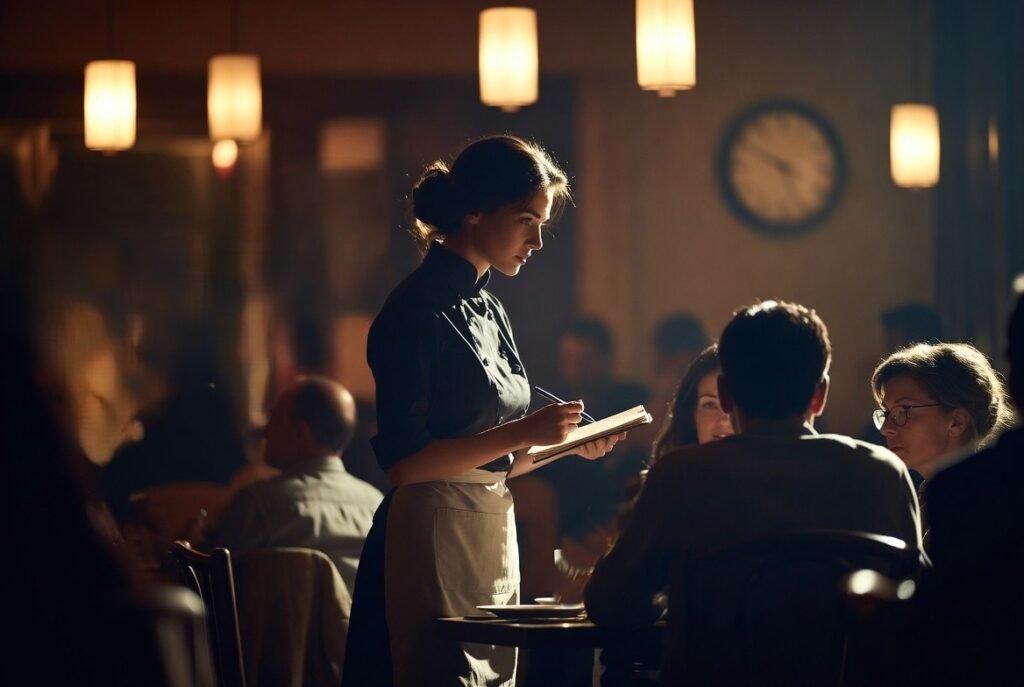
Servers have to spend a long time attending to long dining experiences. Spending time at a table without adjusting tips lowers the profitability level. Appreciating the time spent is an indicator of respect for the workload and dedication of the server.
Disregarding Local Customs of Tipping
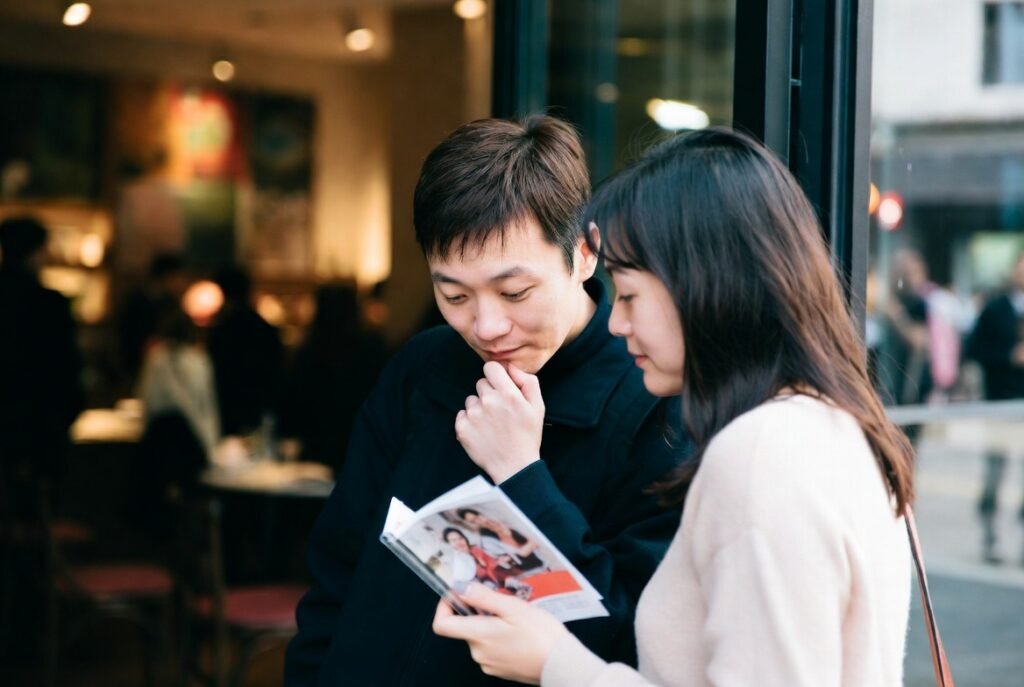
However, tipping differs in regions and countries. Imposing new criteria may result in communication misunderstandings. Learning local traditions is a way of not going wrong. When one researches the etiquette basics, he/she is bound to do good tipping.
To Forget the Thanking and the Gratitude
Tipping not only deals with money but also with appreciation. It can be disrespectful not to thank or recognise service. Politeness adds to the general experience of dining. Simple movements and fair tipping are evidence of respect and proper etiquette.