You haven’t ordered yet. You haven’t even sat down. But the signs are already there if you know what you’re looking at. Here are the fifteen things seasoned diners, former servers, and professional food critics all quietly clock before a single dish hits the table.
1. The Menu Is the Size of a Small Novel
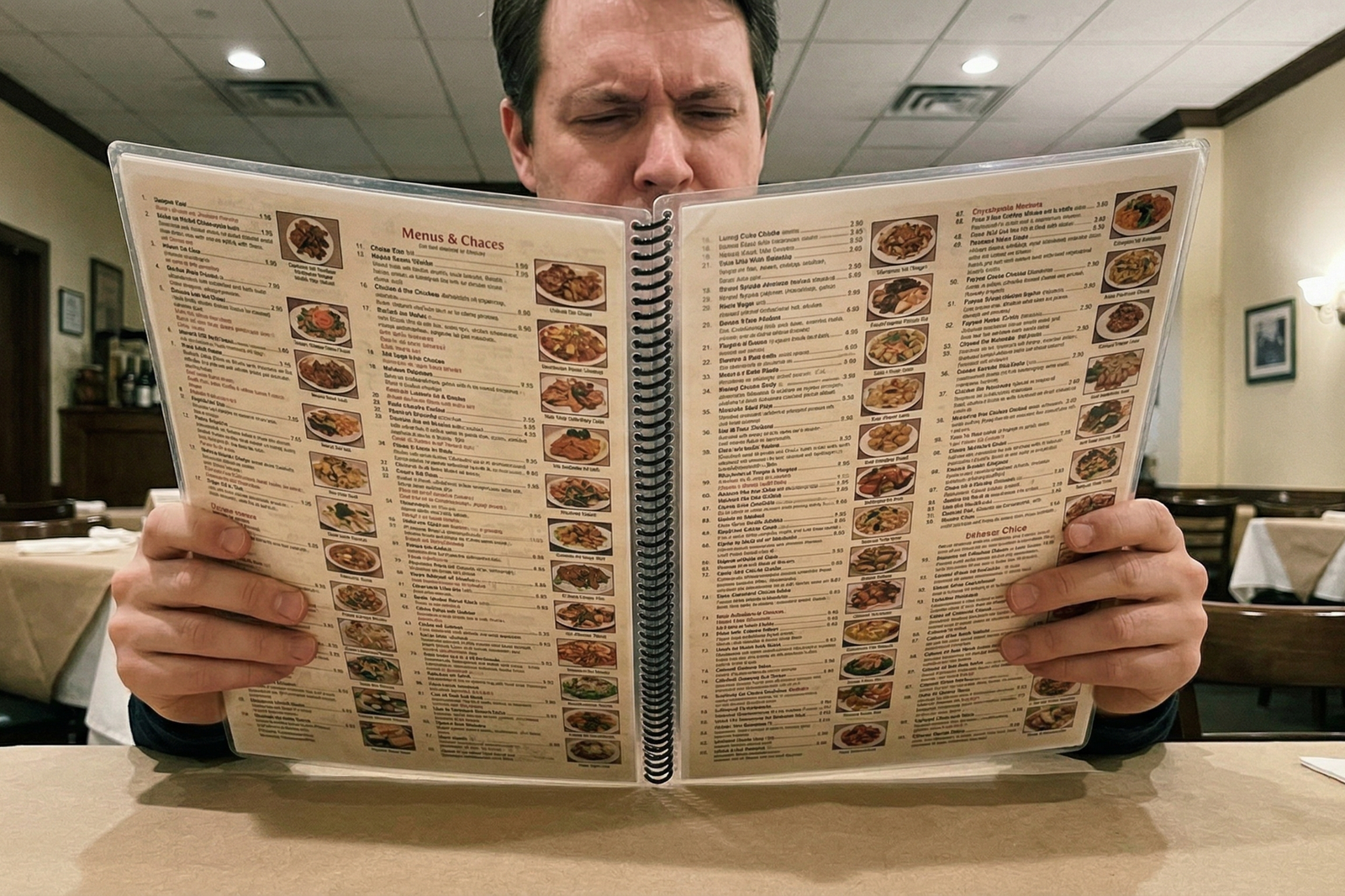
A menu with eighty-plus items is not a sign of abundance; it is a confession. No kitchen operating with fresh ingredients and genuine craft can execute eighty dishes well. What it can do is execute twenty dishes adequately using the same rotating cast of pre-prepped, frozen, or delivered components. The longer the menu, the shorter the distance between your plate and an industrial food supplier’s loading dock. Genuine restaurants edit ruthlessly. When a menu requires two hands and a reading light, put your coat back on.
2. The Dining Room Is Empty at Peak Hours
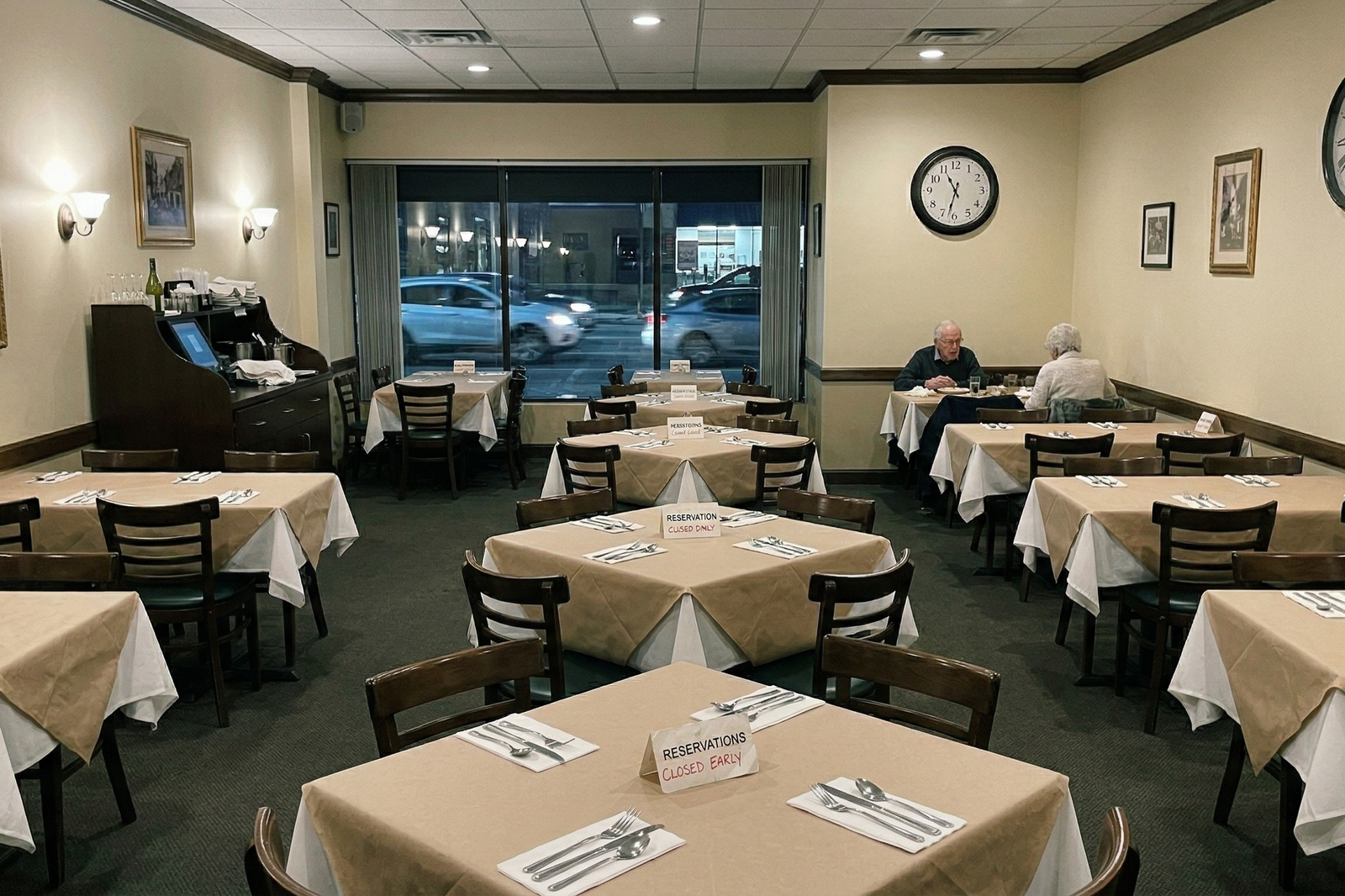
A half-empty restaurant at 7:30 on a Friday evening is not a hidden gem waiting to be discovered. It is a data point. Locals always know. The neighborhood always knows. People who live within walking distance of a bad restaurant develop an instinct for it long before Yelp catches up. If the surrounding streets are busy and the room in front of you is not, resist the temptation to feel like you have found something exclusive. You have found something avoided.
3. The Server Cannot Answer a Single Question About the Food
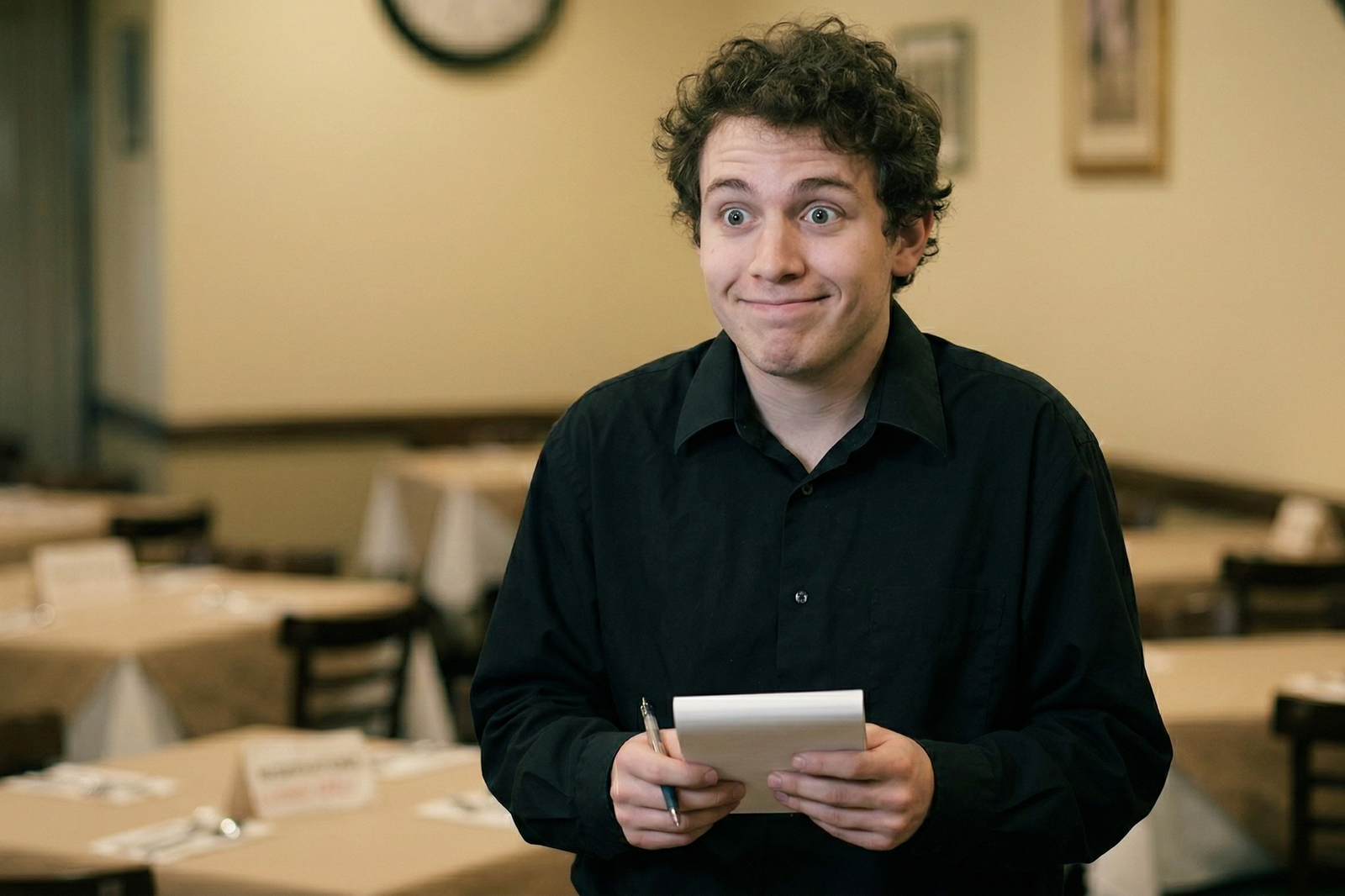
Ask where the fish comes from. Ask what is in the sauce. Ask what the chef recommends. A server at a restaurant that takes its food seriously will have answers, not necessarily encyclopedic ones, but answers rooted in actual familiarity with the kitchen. A server who responds to every question with a blank stare, a nervous laugh, or a trip to “go check” that never resolves into real information is telling you something important about the relationship between the front of house and the food being served.
4. The Bread Arrives Cold and Tastes Like a Bag
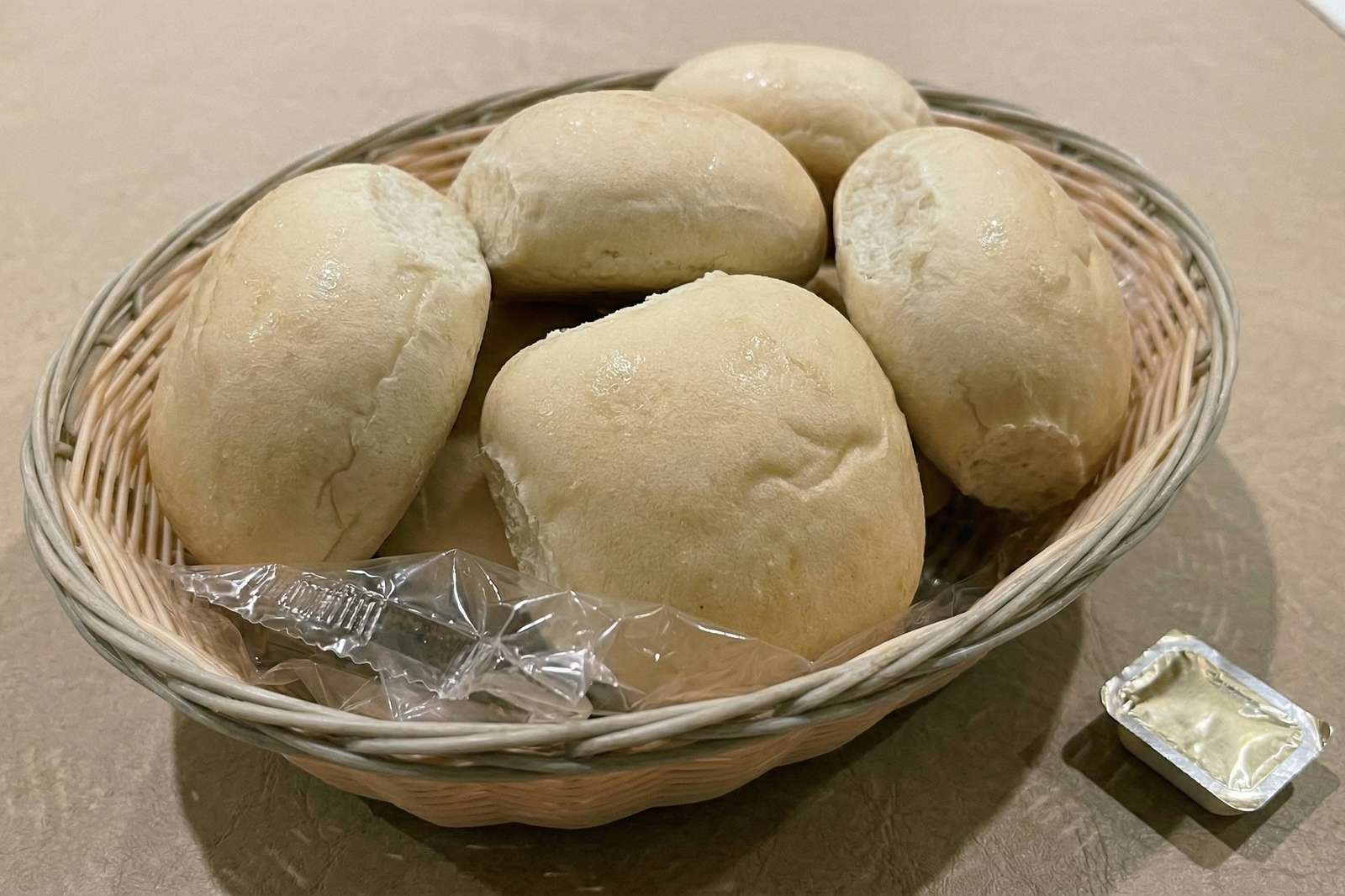
In many restaurants, bread is an afterthought. In good ones, it is a statement of intent. A basket of cold, rubbery rolls pulled from a commercial bag and dropped on your table without ceremony or butter worth mentioning is not a neutral act; it is a preview. The kitchen that cannot be bothered to serve decent bread is the kitchen that cannot be bothered about a great many things. Bread is the first impression the kitchen makes without anyone asking. Pay attention to what it says.
5. Everything on the Menu Is Available All Day, Every Day
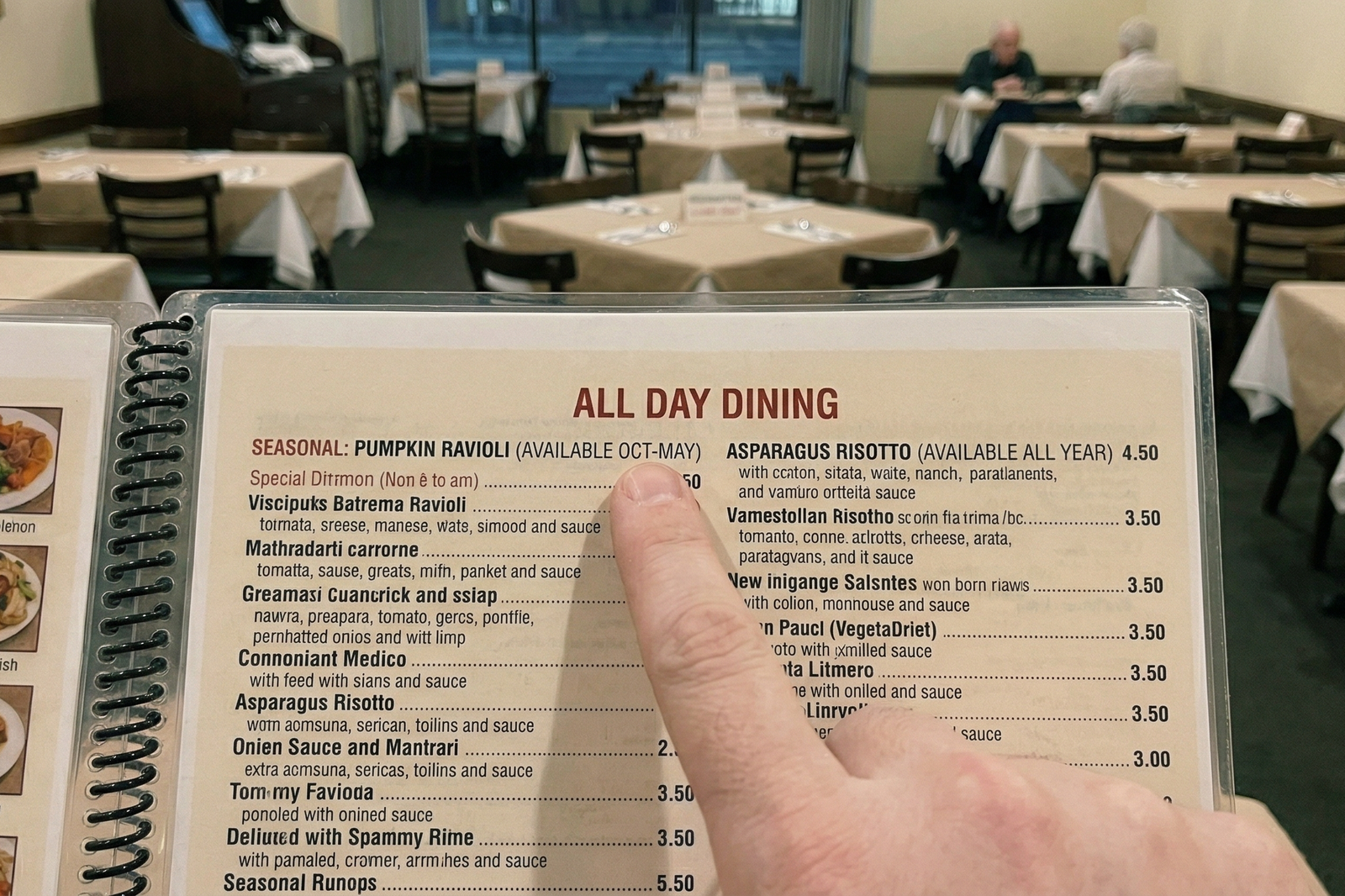
Seasonal menus change because ingredients change. A restaurant offering the exact same pumpkin ravioli in March that it served in October is a restaurant that is not cooking with fresh, seasonal produce; it is a restaurant working from a centralized recipe system designed for consistency above all else. When nothing ever changes, nothing is ever truly fresh. The best restaurants frustrate you occasionally by running out of things. That frustration is a sign of life.
6. The Restaurant Is Suspiciously Spotless in the Wrong Places
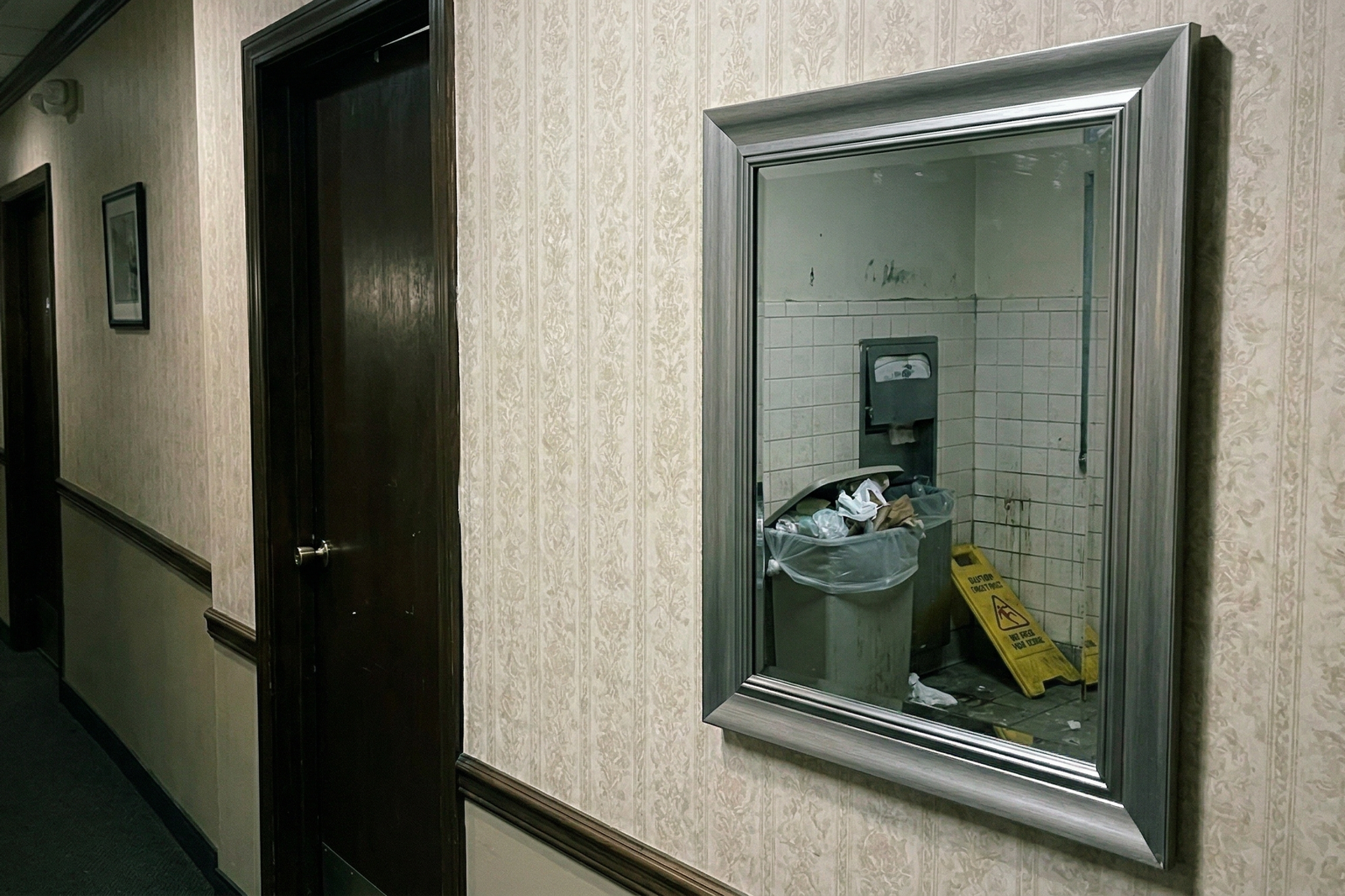
A clean restaurant suggests quality, but an immaculate dining room with a neglected bathroom is a major red flag. The bathroom reflects the kitchen’s condition, as kitchens are inspected while bathrooms may not be cleaned regularly. A grimy, neglected bathroom tells you about the management culture in a way that a polished host stand simply cannot.
7. The Photographs on the Menu Look Nothing Like Real Food
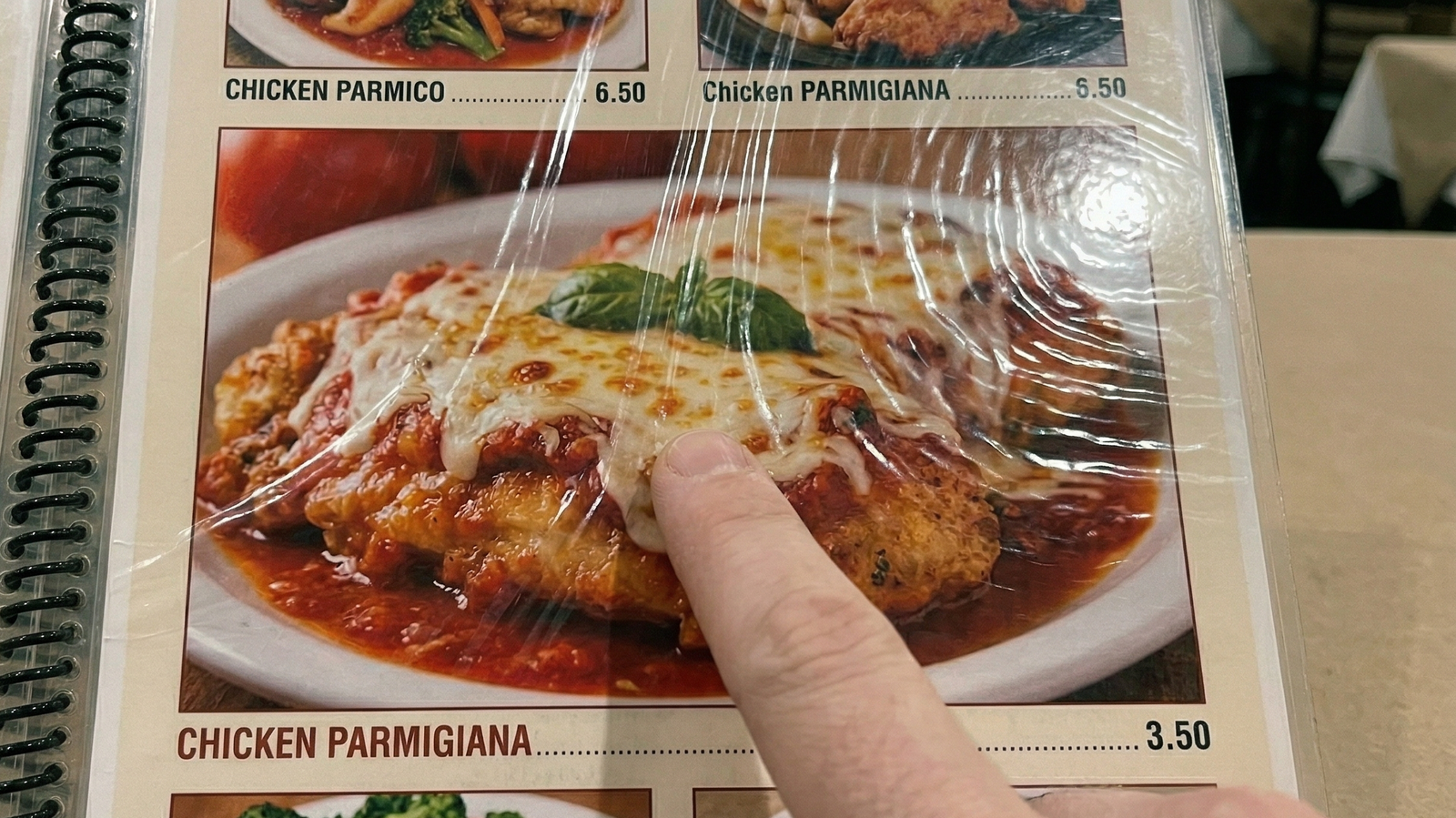
Menu photography exists on a spectrum. At one end are the beautiful, honest images that make you genuinely hungry. The laminated, stock-photo food images are generic and suspiciously perfect, functioning more as mild fiction than appetite stimulants. When the image and dish share only a name, the restaurant disrespects your intelligence and appetite.
8. The Music Is So Loud You Cannot Hear Yourself Think
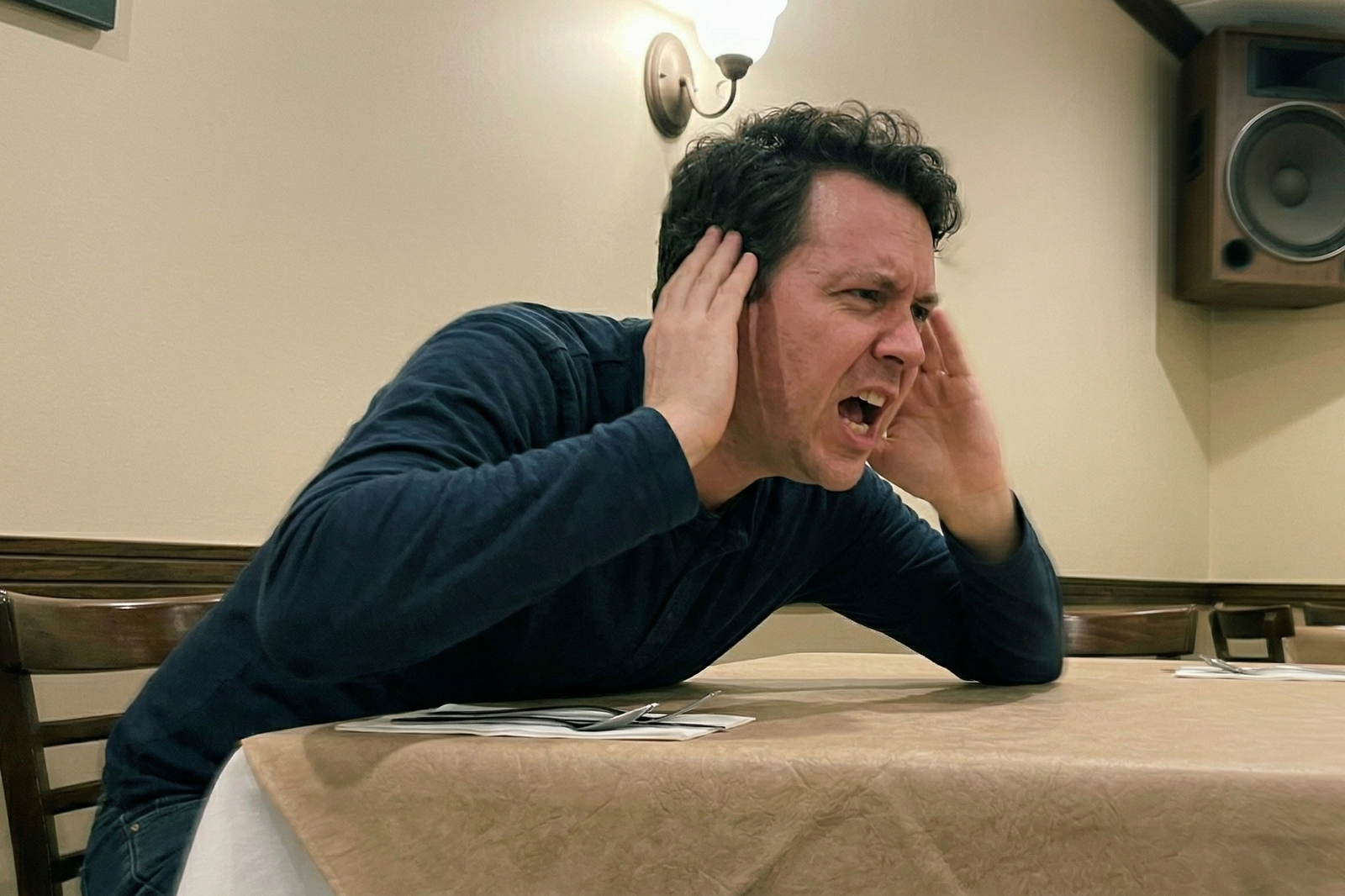
Noise is occasionally a genuine expression of a restaurant’s energy and identity. More often, it is a management decision made for a specific and unflattering reason: loud rooms move tables faster, discourage lingering, and mask the ambient sound of a kitchen under stress. When you have to lean across the table and raise your voice to order a glass of water, you are not in a lively, dynamic dining room. You are in a room that has been engineered to process you efficiently and get you out.
9. The Oil and Vinegar on the Table Are Almost Empty
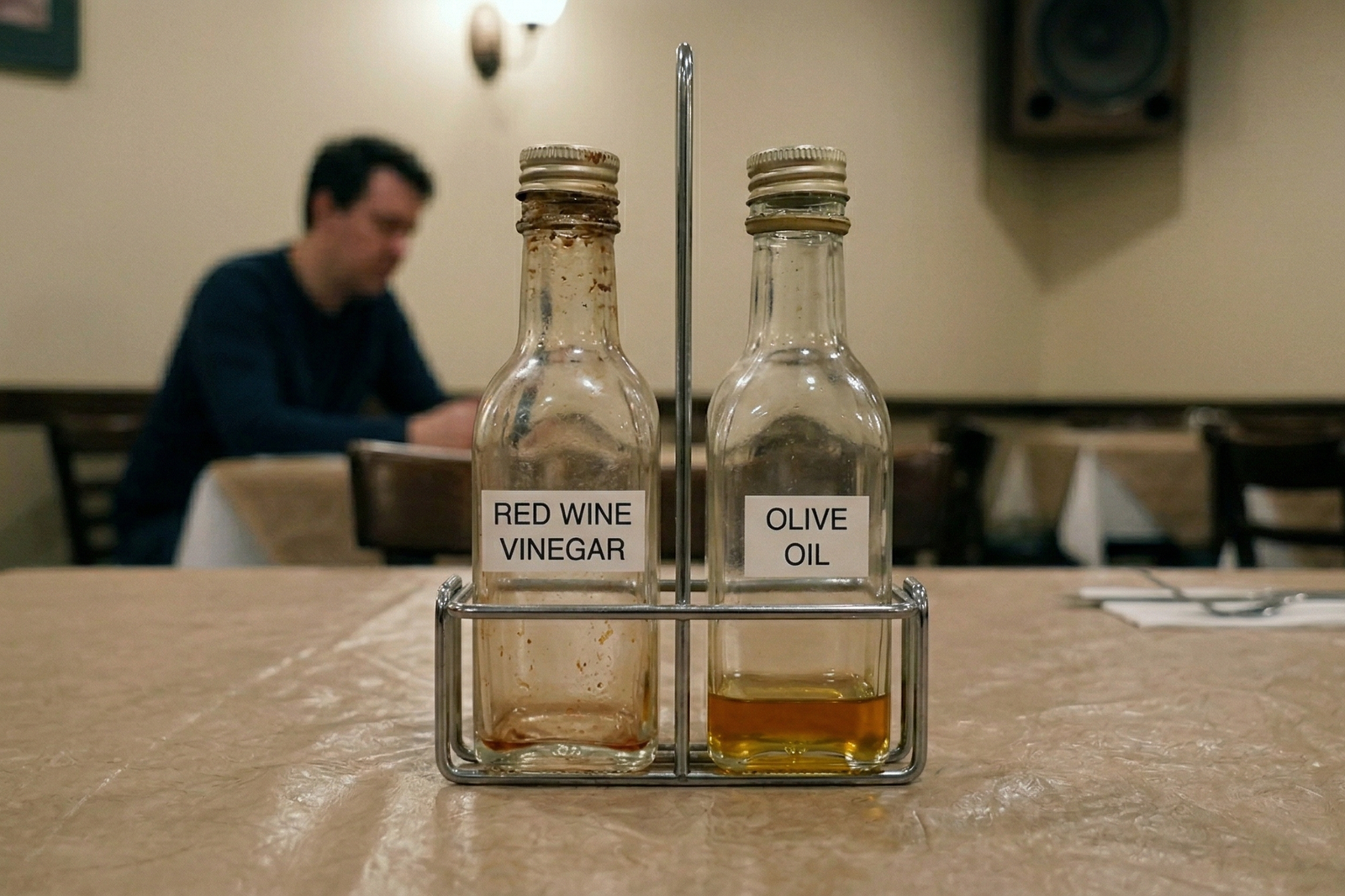
This one sounds small. It is not. Condiments left nearly empty on a table are a window into how attentive the staff is to the details that do not directly generate tips or compliments. Nobody called them out on the empty bottles. Nobody noticed, or nobody cared. Either answer is instructive. Great restaurants are run by people who notice everything. Mediocre ones are run by people who notice what gets pointed out and nothing else.
10. The Specials Are Recited Without Prices
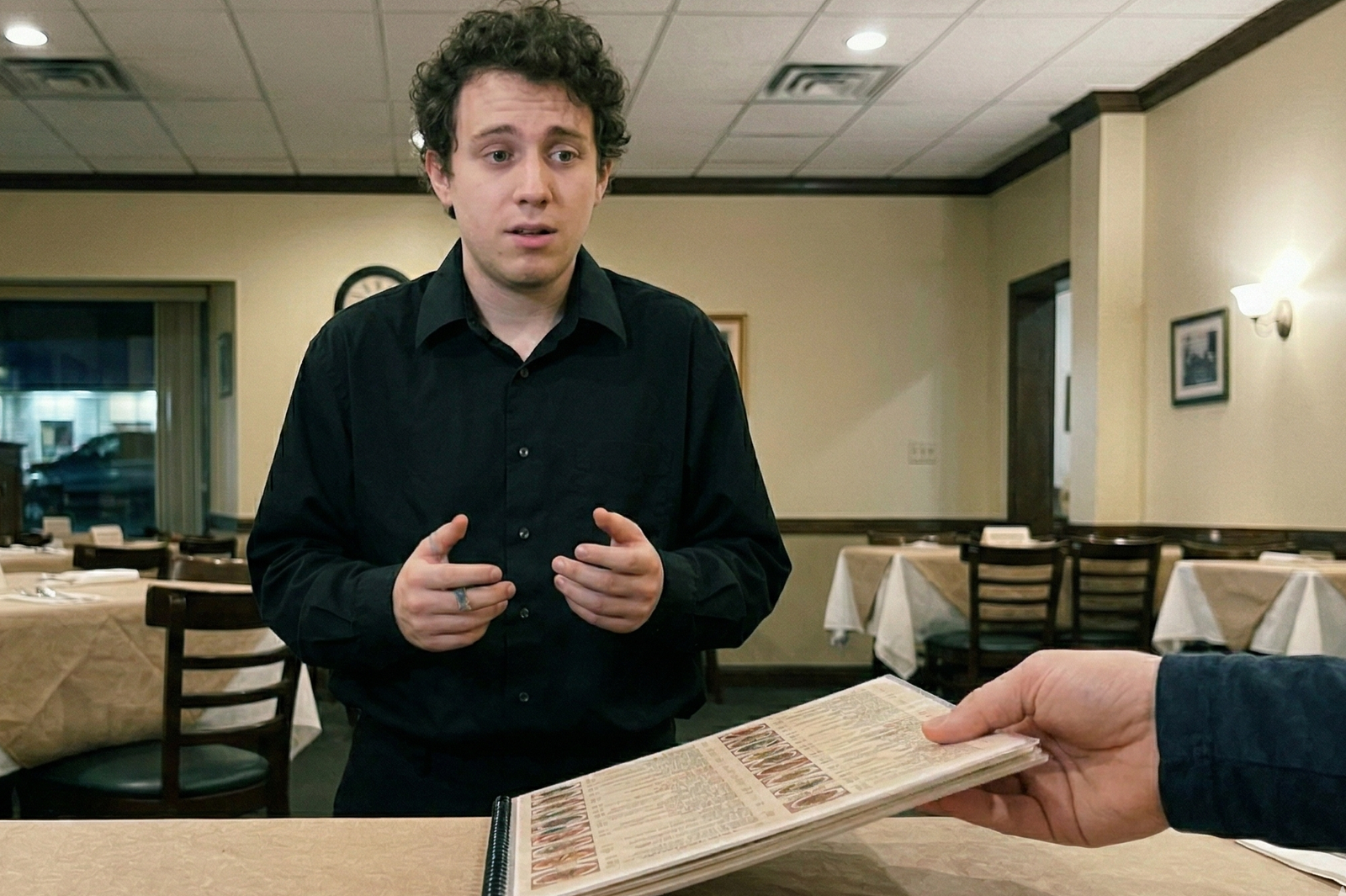
A server listing four specials, two appetizers, and two mains without mentioning prices is following a script to make you awkward about asking. These specials are often the highest-margin items and are priced high in restaurants that don’t operate in good faith. Any restaurant confident in the value it is offering will tell you what things cost without making you feel like you are interrupting a performance to ask.
11. The Kitchen Smells Like Nothing at All
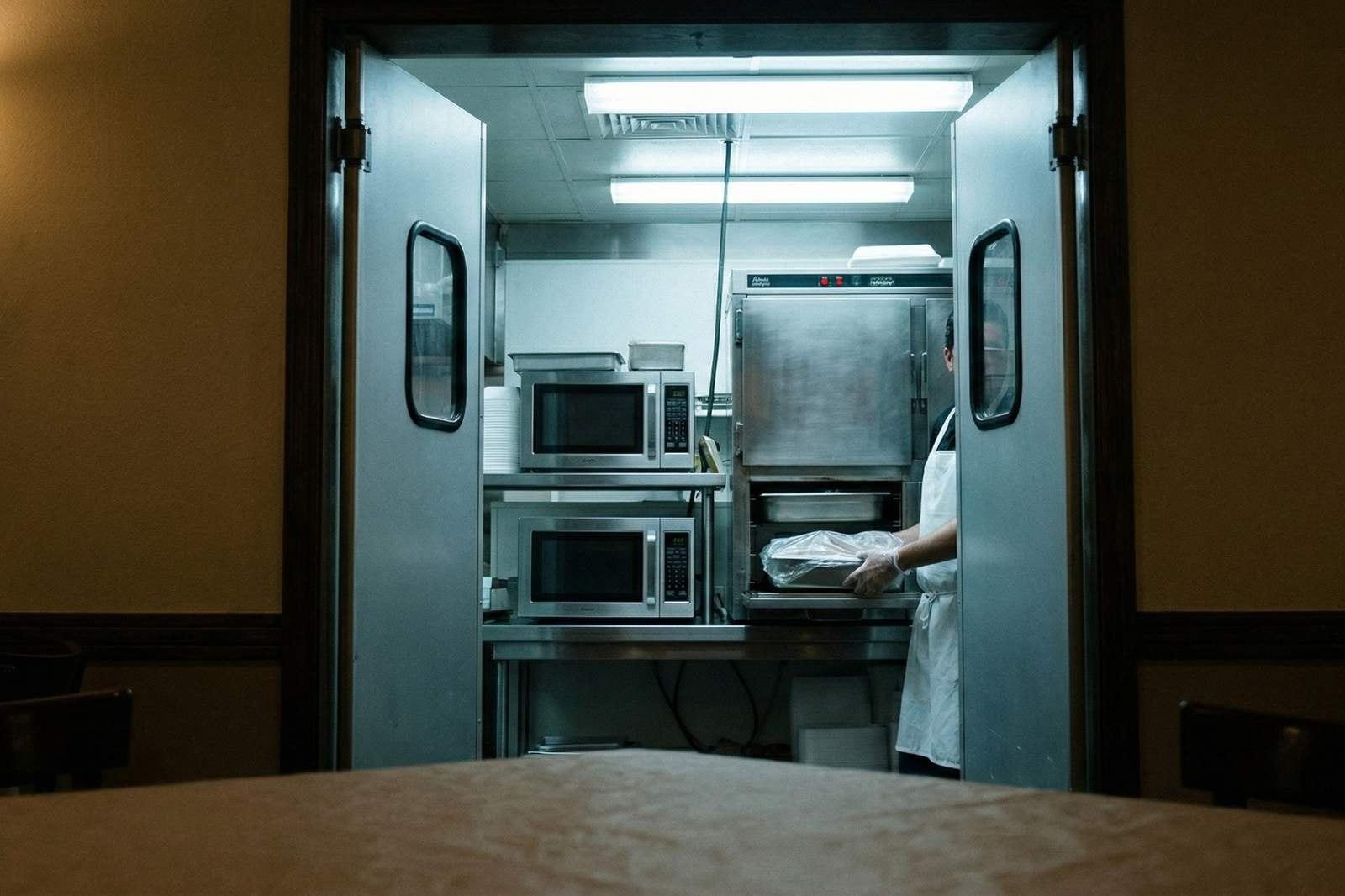
Walk past a restaurant kitchen, and you will smell roasting garlic, reducing stock, charring meat, and fresh herbs in a hot pan. These are the smells of active, engaged cooking. A kitchen that produces no smell at all is a kitchen that is reheating, assembling, or finishing rather than cooking from any meaningful starting point. Your nose is one of the most reliable restaurant critics available to you, and it requires no reservation, no Michelin guide, and no prior experience to consult.
12. Your Gut Says No Before Your Brain Has Caught Up
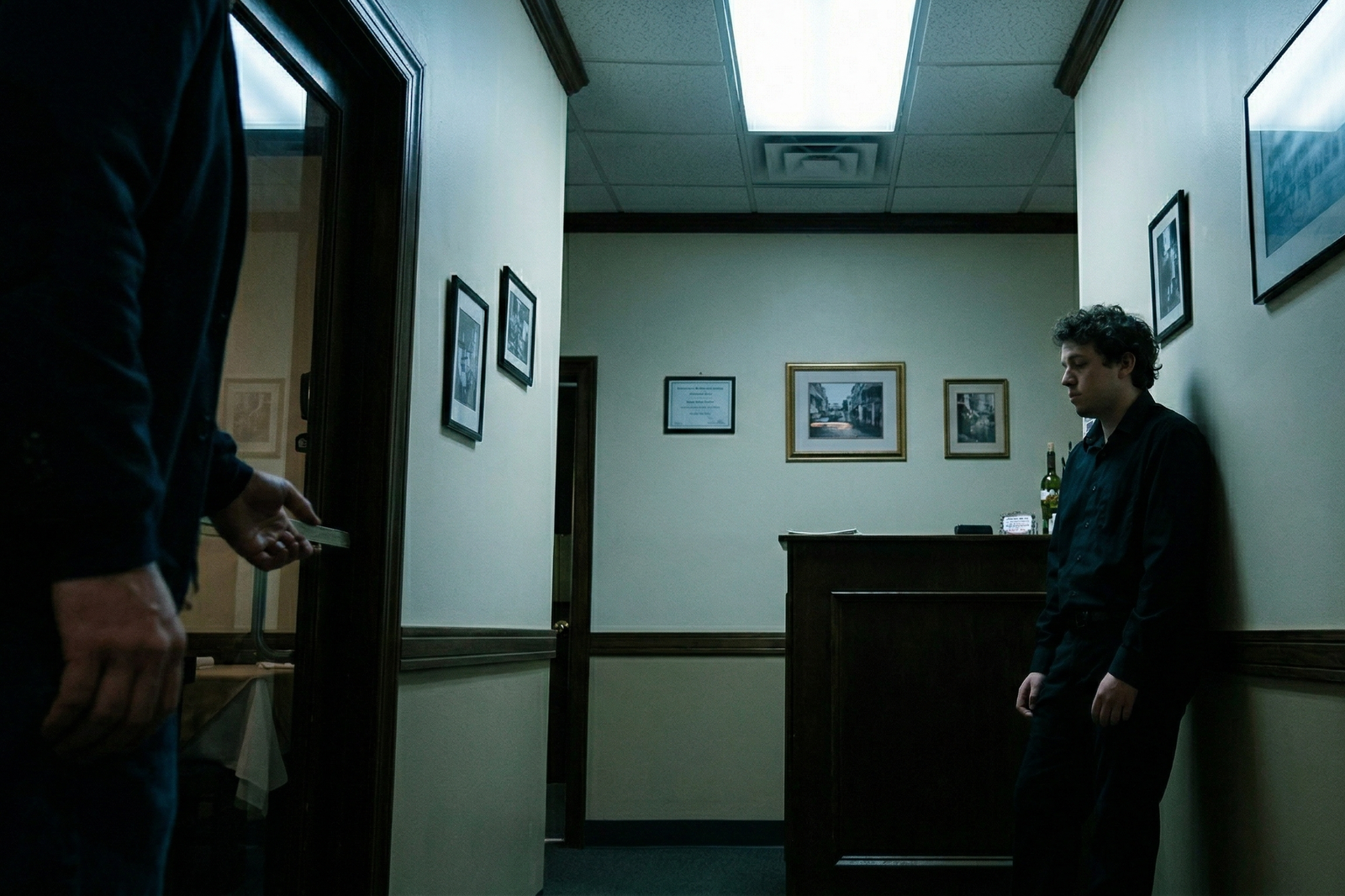
This one is harder to quantify and easier to dismiss, which is precisely why it deserves its own entry. Experienced diners quickly sense the quality of a restaurant through the energy, staff’s body language, lighting, or the feeling of being observed rather than welcomed, forming a judgment before consciously noting facts. That instinct is not mysticism. It is pattern recognition built from hundreds of previous meals. Trust it more than you do.
13. The Tables Are Turned Over Before You Have Finished
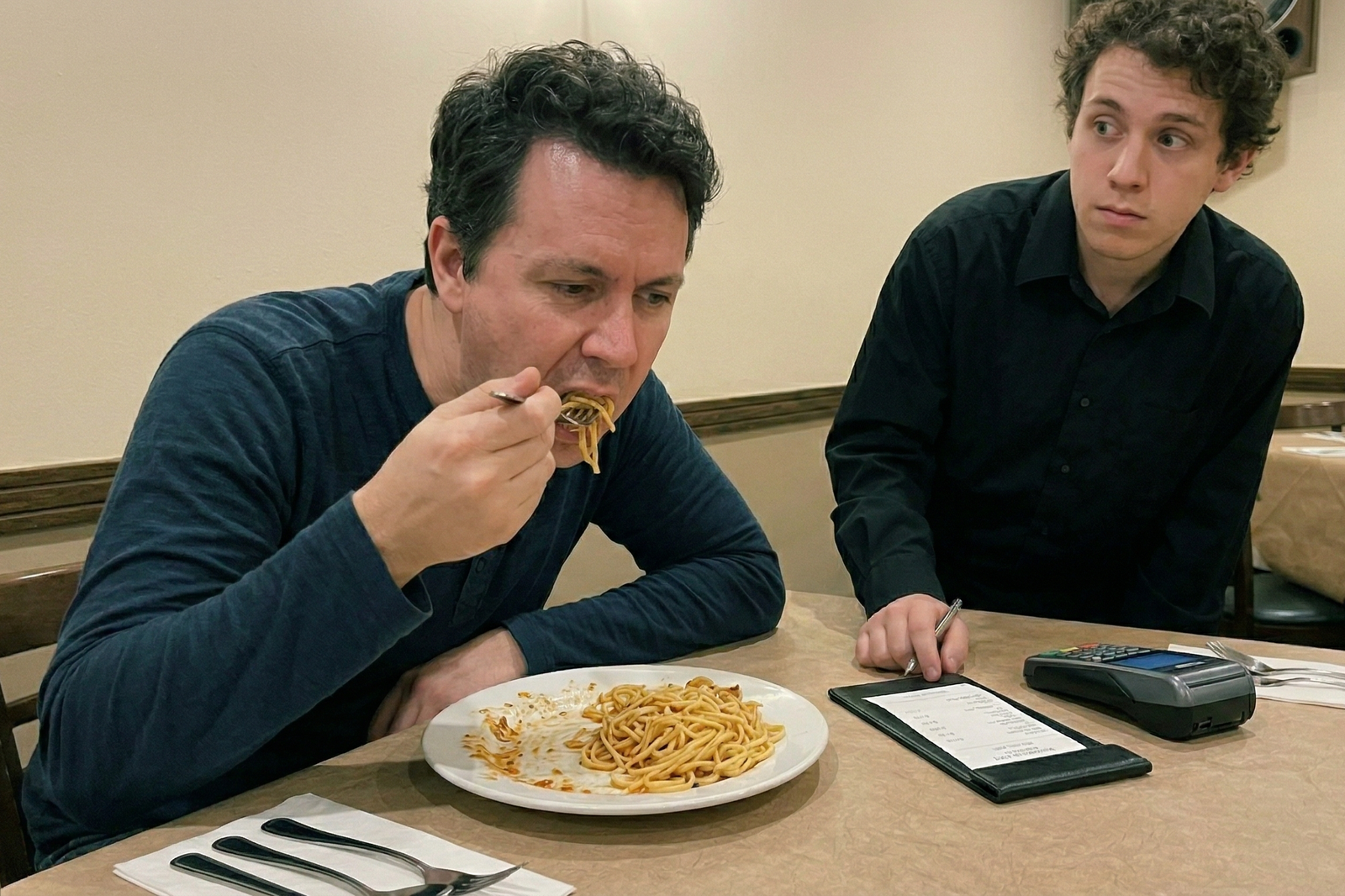
There is a difference between a restaurant that is busy and a restaurant that is managing you. Busy restaurants feel energetic. Restaurants that are managing, you feel pressured, a check drops before you ask for it, a server hovering with a card reader while you are still finishing your last bite, a host who stops by to mention how long the wait is for the next party as if that is your problem to solve. This is a hospitality failure dressed up as operational efficiency, and it is nearly always a sign that the ownership cares more about covers per night than about whether you enjoyed your meal.
14. Nobody Who Works There Eats There
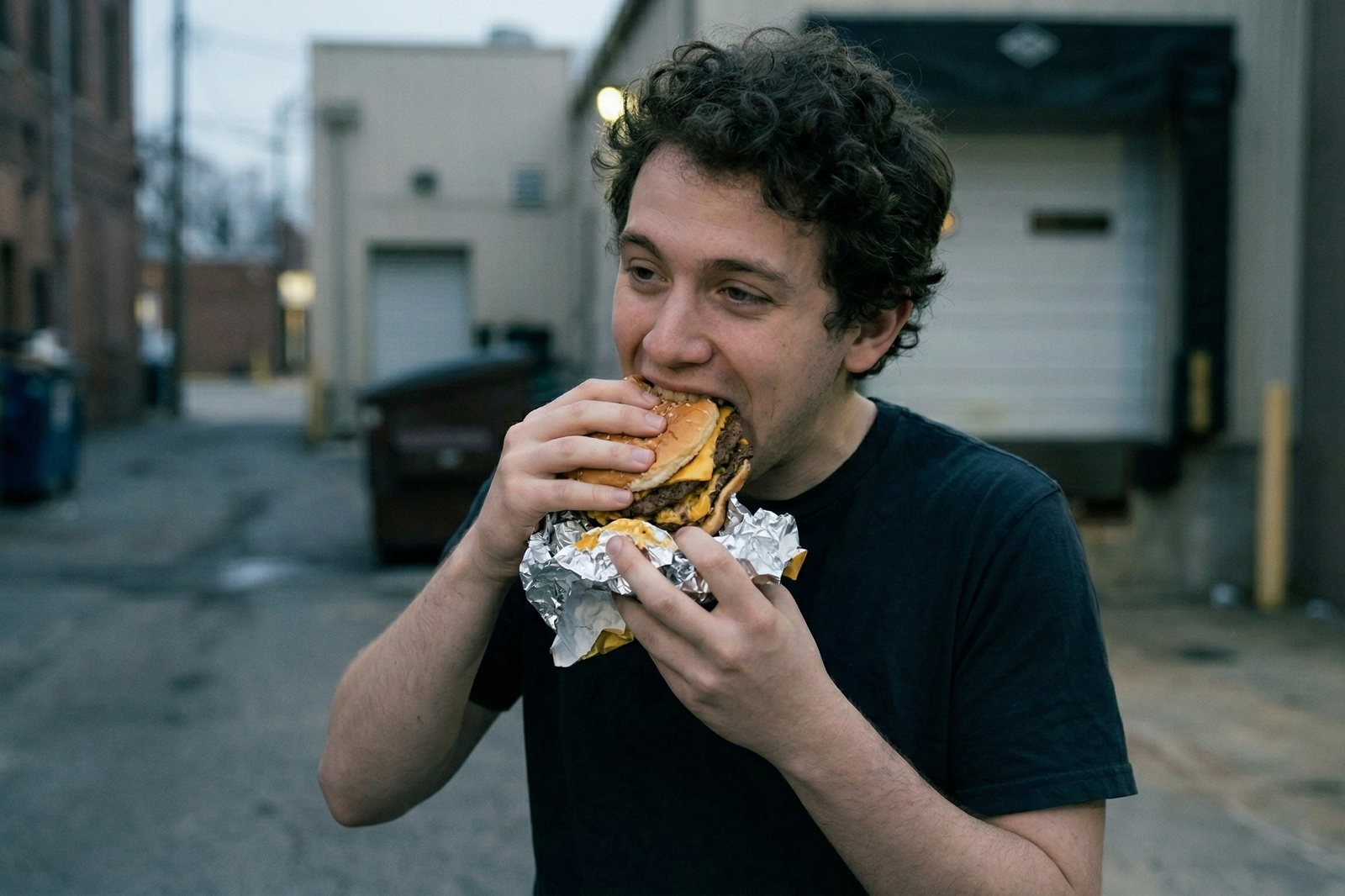
Ask a server where they go on their night off. Ask a host what their favorite dish on the menu is and watch whether enthusiasm precedes the answer or follows it. People who work in genuinely good restaurants become ambassadors for them. They eat there, they bring their families, they recommend it to strangers with the specific, unsolicited enthusiasm of true believers. People who work in bad restaurants answer carefully, generically, and with their eyes pointed slightly away from yours. That gap between the two kinds of answers is the truest review any restaurant will ever receive.
Related Posts